Households with frequent towel loads
If several towels or bulky items go into the dryer together, match its rated capacity to your usual load and check that the appliance fits the intended space.


For regular loads of tumble-safe towels, look for moisture-sensing programmes, capacity that fits your usual batch and a cleaning routine you can keep up with. Check each towel’s care label and the dryer’s programme instructions; compare energy information on a like-for-like basis rather than choosing by a label letter alone.
If several towels or bulky items go into the dryer together, match its rated capacity to your usual load and check that the appliance fits the intended space.
Repeated drying makes energy information and filter upkeep relevant to your choice, alongside how long a cycle can take.
Check each towel’s care label and choose an appropriate drying level. Moisture-sensing programmes can respond to the load rather than running for a duration you have guessed.
Start with the towel care labels and your normal load, then compare drying controls, energy information and the space and upkeep each model requires.
| Concern | What to check | Who this matters to |
|---|---|---|
| Reliable dryness | Look for moisture sensing and selectable drying levels, then check the manual for a programme suitable for the towels’ care labels. | When towel thickness and starting moisture vary, I want them cupboard-dry without guessing a cycle length. Around 36% of consumers put consistent dryness first. |
| Energy use | Compare product-specific energy information on the same measurement basis, taking rated capacity into account. | If I dry towels repeatedly, electricity use matters across those loads, not just for one cycle. Roughly 29% of consumers make running efficiency their primary concern. |
| Load and space fit | Check rated capacity against your normal batch, then confirm dimensions, door clearance and electrical requirements for the intended location. | I need room for my usual towel wash, but the dryer must also fit where it will be installed. For around 21% of consumers, that fit is the main priority. |
| Upkeep and disruption | Read the model’s filter and condenser-care instructions, compare its quoted noise and check any applicable model-specific safety notice. | Easy-to-manage cleaning and acceptable noise matter most when the dryer will be used regularly near living space. Around 14% of consumers prioritise manageable upkeep and disruption. |
A fixed duration cannot respond to differences in towel thickness or retained moisture. Electrolux UK Support explains that humidity-controlled programmes use sensors to measure moisture in the laundry.
If your loads vary, check for sensor drying and an appropriate selectable dryness level. Use timed drying in line with the model manual.
A letter does not capture differences in rated capacity or necessarily provide a like-for-like comparison across label frameworks. Energy Saving Trust advises using the energy-use information on appliance labels.
Compare the exact models’ product information on the same basis and consider the capacity you need.
Restricted airflow can affect drying efficiency. A self-cleaning condenser, where fitted, does not replace the other care instructions for that model.
Check filter access before buying and follow the manual’s cleaning routine after installation.
Blocked filters can also lengthen drying cycles.
The Office for Product Safety and Standards warned in December 2025 about a fire risk affecting specified integrated heat-pump dryers sold under several brands. The warning does not apply to every dryer from those brands.
Check the exact model and serial number through the manufacturer’s recall process. Do not use an affected appliance until the required repair is complete.
Consider individual Bosch models if moisture-sensing controls and condenser upkeep are important to you.
Look at the published programmes on the exact model if you want selectable cotton drying levels for care-label-compliant loads.
Miele says its listed tumble-dryer range uses heat-pump technology and includes 8 kg and 9 kg models.
These heat-pump dryers offer a choice of rated capacities for towel loads. Check each model’s manual for a programme compatible with your towels’ care labels, and compare installation requirements before ordering.
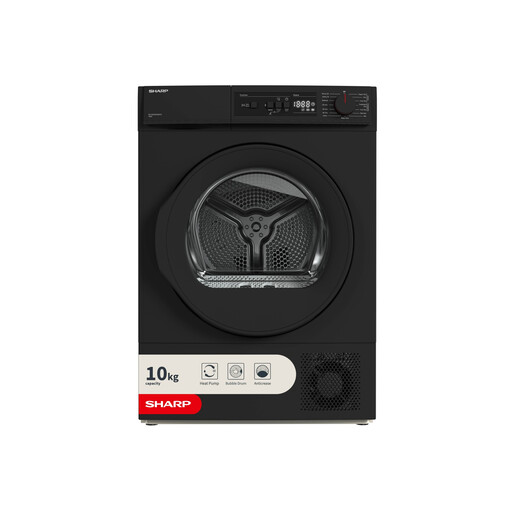 No image available
Consider the 10 kg rated capacity if your usual tumble-safe towel batch is large enough to need it.
Check the manual for a suitable drying programme and confirm the appliance dimensions for your space.
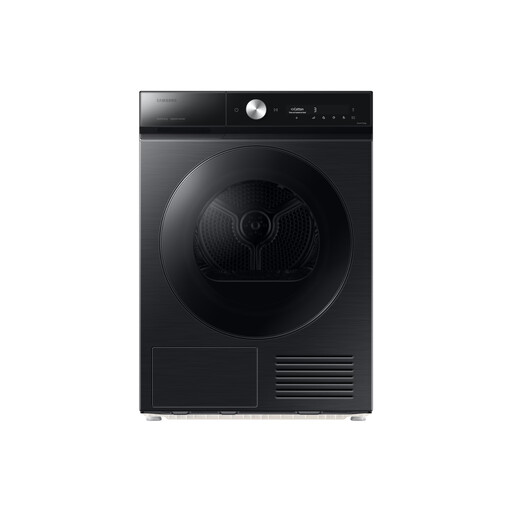 No image available
The 9 kg rated capacity is worth considering if it matches the towel load you normally dry.
Check the exact programme instructions, energy information and required installation clearances before choosing it.
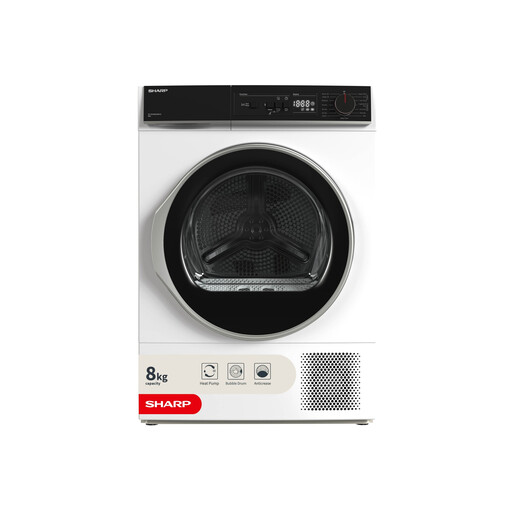 No image available
Consider this 8 kg model if that rated capacity suits your usual towel batch.
Confirm a care-label-compatible programme in the manual and check its dimensions against the installation space.
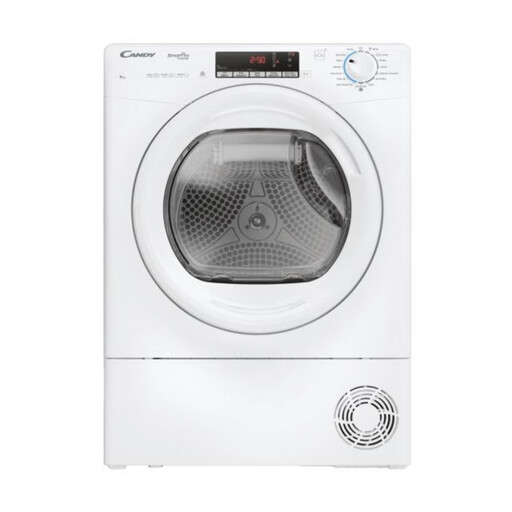 No image available
If your towel loads vary and 9 kg suits your usual batch, this model’s stated Sensor Dry feature is relevant to check.
Its title also identifies Wi-Fi connectivity. Confirm suitable programmes, dimensions and energy information for the exact model.
 No image available
If 9 kg fits your normal towel load, compare this model’s stated Sensor Dry feature with the drying levels you need.
Its title also identifies Wi-Fi connectivity. Check the manual for a suitable programme and confirm the model’s installation requirements.
Yes, if each towel’s care label permits tumble drying. Choose a programme and drying level consistent with its fabric and care instructions; check the model manual rather than assuming every named programme suits every towel.
Towel thickness, load size and starting moisture can change how long drying takes. A moisture-sensing programme responds to the load, so its duration need not be the same every time; opening the door mid-cycle can extend it further.
No. Follow the exact model’s filter and condenser-care instructions. A self-cleaning condenser is a model-specific feature, while blocked filters can still restrict airflow.
The Office for Product Safety and Standards’ December 2025 warning concerns specified integrated heat-pump models manufactured by Haier and sold under Baumatic, Candy, Caple, Haier, Hoover, Iberna, Lamona and Montpellier brands. Check the exact model and serial number with the manufacturer; an affected dryer must not be used until its required repair is complete.
No. Compare the exact models’ energy-use information on the same measurement basis and consider their rated capacities. A letter taken from a different label framework is not, by itself, a like-for-like measure.