Frequent bedding dryers
If sheets and duvet covers are regular loads, a named bedding programme and an explicitly stated reversing-drum feature are worth checking when twisting and bunching are the main frustrations.


For frequent loads of tumble-safe sheets and duvet covers, look for a heat pump dryer with a dedicated bedding or bed-linen programme; if tangling is your main problem, check whether the model also specifies drum reversal. Read each item’s care label before choosing a cycle, then check the dryer’s capacity, controls, installation requirements and maintenance routine. Compare energy information using the same label scale rather than treating older A+++ and newer A-to-G grades as equivalent.
If sheets and duvet covers are regular loads, a named bedding programme and an explicitly stated reversing-drum feature are worth checking when twisting and bunching are the main frustrations.
If you dry bedding with different care instructions, check the tumble-dry symbol on each item and look for controls that let you select a compatible setting.
If you are replacing a dryer, compare energy information on the applicable label scale and consider whether you can keep up with filter, water-container and model-specific condenser care.
Start with the bedding care labels, then decide whether tangling, fabric-care controls or day-to-day upkeep is your main reason for choosing a particular dryer.
| Concern | What to check | Who this matters to |
|---|---|---|
| Tangled bedding | Look for a named bedding, bed-linen or duvet programme. Check separately whether drum reversal is specified. | If sheets and duvet covers twist together, I want a setting intended for those loads rather than relying on drum size alone; around 40% of consumers put bedding handling first. |
| Care-label compatibility | Check each item’s tumble-dry symbol and permitted heat level, then find a suitable programme and dryness control. | When my bedding has different care instructions, I need to choose the right setting for each item; roughly 30% of consumers prioritise fabric-care control. |
| Energy information and upkeep | Compare like-for-like energy labels, measure the installation space and check the manual’s filter, water and condenser tasks. | If I am replacing a dryer, I need energy information I can compare and maintenance I can manage regularly; around 30% of consumers make ownership and upkeep their primary concern. |
A crossed-out tumble-dry symbol rules out tumble drying; a permitted item may still have a heat restriction. Heat-pump technology does not override its care label.
Read the label on each bedding item and select a programme that follows its instructions.
Capacity does not tell you whether a model has a dedicated setting or reverses its drum. Bosch lists both a bed-linen programme and reversing drum for the WQH246D9GB; AEG lists Bedding + and Duvet programmes for the TO718AEU4B.
Check the exact model’s programme list, and look for an explicit drum-reversal specification if tangling is your priority.
The UK Government’s 2026 explanatory memorandum describes a rescaled A-to-G tumble-dryer label. An older A+++ grade and a grade on the rescaled label should not be read as equivalent measures.
Check which scale each displayed label uses and compare the accompanying product information.
AEG advises cleaning the fluff filter and emptying the water container after use; its guidance says a clogged filter can lengthen cycles and increase electricity consumption.
Check the exact dryer’s instructions for its filter, water collection or drainage arrangement, and condenser care.
Consider the WQH246D9GB if an explicitly named bed-linen setting and drum reversal address your main bedding problem.
Compare individual models if named bedding settings or sensor-led drying are important to you.
Consider the range when heat-pump operation and installation without an external exhaust pipe are relevant to your space.
These heat pump dryers offer capacity choices for tumble-safe bedding. Check each model’s programme list and manual if a dedicated bedding cycle or drum reversal is decisive for you.
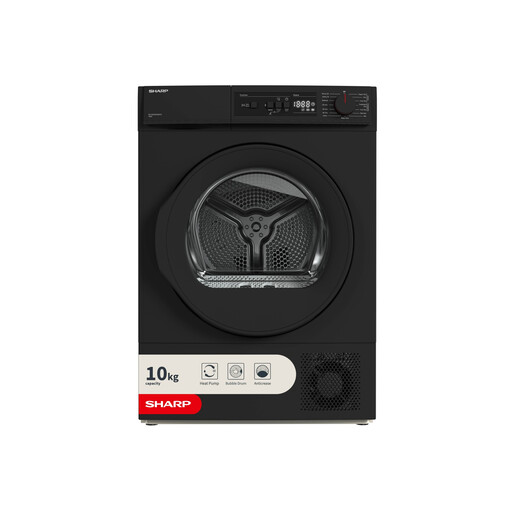 No image available
If you regularly dry large, tumble-safe bedding loads, check whether this model’s programmes suit the individual items and address any tangling you experience.
10 kg stated capacity; A++ rating in the product title. Confirm the applicable label scale when comparing energy information.
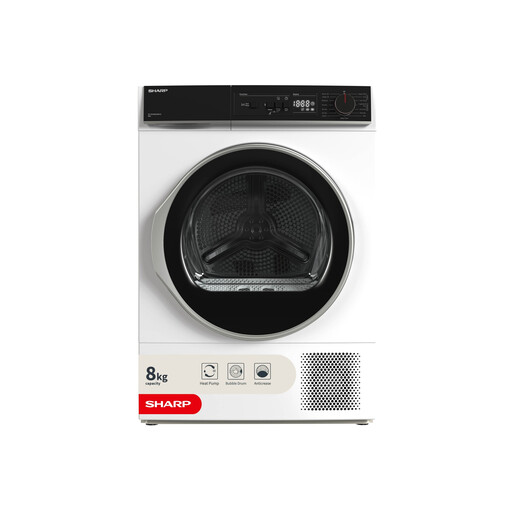 No image available
For tumble-safe bedding within the dryer’s stated capacity, check the programme list against the item’s care label and look for an explicit drum-reversal setting if tangling matters.
8 kg stated capacity; A++ rating in the product title. Check the label scale before comparing grades.
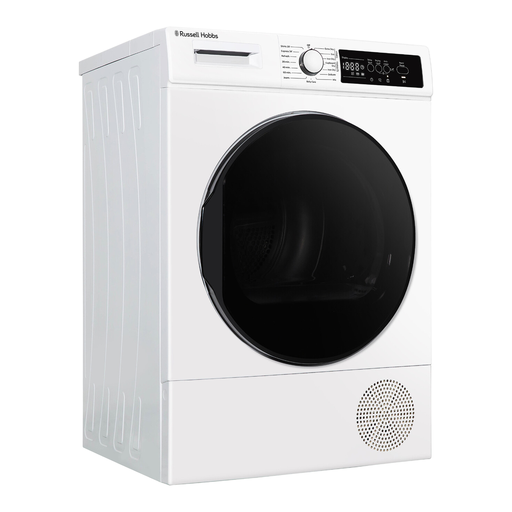 No image available
For tumble-safe bedding, check the exact programme list and the space required around the dryer before deciding whether this model fits your routine.
9 kg stated capacity. Check the current energy label and its scale when comparing models.
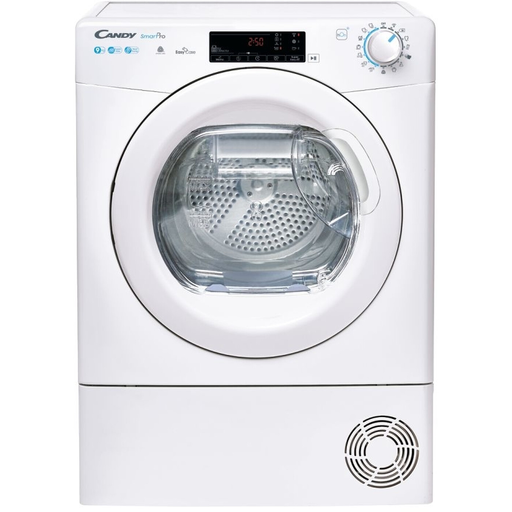 No image available
If bedding makes up much of your drying, check which programmes suit your items and whether the available dryness controls meet your needs.
9 kg stated capacity; A++ rating in the product title. Compare energy grades only after checking their label scales.
 No image available
For tumble-safe bedding, check that a suitable programme is available and whether its controls address the drying decisions that matter to you.
9 kg stated capacity, Sensor Dry and Wi-Fi connectivity in the product title; its stated A++ rating should be compared on the appropriate label scale.
No. Check each item’s sewn-in care label: a crossed-out tumble-dry symbol means it must not be tumble dried, while an allowed item may still require a particular heat setting. A heat pump dryer does not change those instructions.
Not for every tumble-safe item, but a named programme is worth considering if bedding is your main load. AEG lists Bedding + and Duvet programmes for the TO718AEU4B; Bosch lists a bed-linen programme with drum reversal for the WQH246D9GB. Check the exact model’s instructions and each item’s label.
A heat pump dryer does not need the external exhaust pipe used by a vented dryer, according to Miele’s explanation of the technology. You still need to check the model’s dimensions and installation instructions, and arrange for collected water to be emptied or drained as its instructions permit.
Follow the dryer’s own manual for its filter, water container and condenser. AEG’s maintenance guidance advises cleaning the fluff filter and emptying the water container after each use; it says a clogged filter can lengthen cycles and increase electricity consumption.
Do not treat those letter grades as the same scale. The UK Government’s 2026 tumble-dryer explanatory memorandum describes a rescaled A-to-G label; check which scale each product uses and compare its accompanying energy information.