
24/7 全天候客户支持

免费退货

当日/次日达

品质保障

开启新人专享福利: 全场免邮 | 低至 2 折 | 免费试用 30 天 JoyPlus 会员
下载 Joybuy
Heat pump tumble dryers can reduce drying temperatures and may use less electricity than traditional condenser or vented designs. However, a higher energy rating alone does not guarantee the right choice for your household.
The main buying traps are usually hidden in the details:
Use the following checks to compare models objectively before selecting an energy-efficient tumble dryer.
Heat pump technology recirculates warm air and dries laundry at lower temperatures. This can be gentler on fabrics and can reduce energy use compared with many conventional condenser and vented dryers.
When comparing an A++ tumble dryer or A+++ tumble dryer, also check the stated annual consumption in kWh. For example, the Sharp 10kg heat pump models supplied here list annual consumption of 258kWh, while the Hoover H-Dry 300 8kg model lists 273kWh.
Energy labels are useful for comparison, but actual costs vary according to your electricity tariff, load size, programme and frequency of use. A larger drum is not automatically more economical if you regularly dry small loads.
Choose capacity according to your washing machine and normal laundry routine:
Check the external measurements as carefully as the drum capacity. Most full-size machines are around 85cm high and 60cm wide, but depth varies. The Sharp 8kg model is approximately 563mm deep, whereas the Sharp 10kg model is approximately 609mm deep. Allow additional clearance for ventilation, opening the door and accessing the water tank.
A sensor dry tumble dryer detects moisture and ends the programme when the selected dryness level is reached. This can help avoid unnecessary drying time and over-drying. Look for adjustable levels such as iron dry, hanger dry, cupboard dry and extra dry.
Maintenance is still essential. Clean the lint filter regularly, empty the water tank when required and follow the manufacturer’s instructions for cleaning the heat exchanger. A blocked filter can restrict airflow and create a safety risk.
Noise levels matter in open-plan homes or flats. Models in this selection range from 60dB to 67dB for heat pump designs, while the listed condenser models reach up to 68dB. These figures are useful for comparison, although room layout and flooring can affect perceived noise.
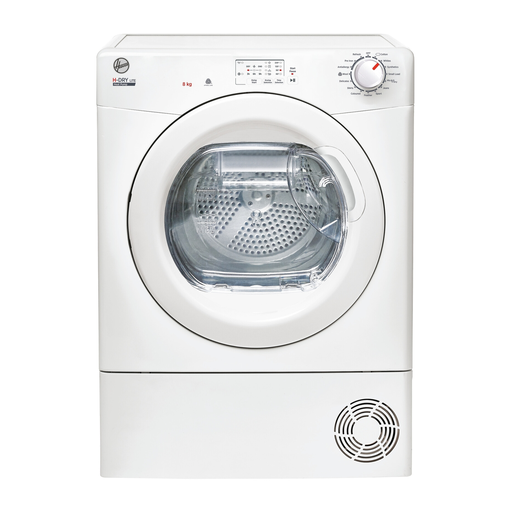
Why This Fits Their Persona: An 8kg capacity suits smaller households and regular everyday loads without moving to a larger family drum.
Its sensor drying has four selectable dryness levels, helping reduce reliance on fixed timed cycles.
A+ energy class, Aquavision front-mounted tank, 15+ programmes and NFC app access.
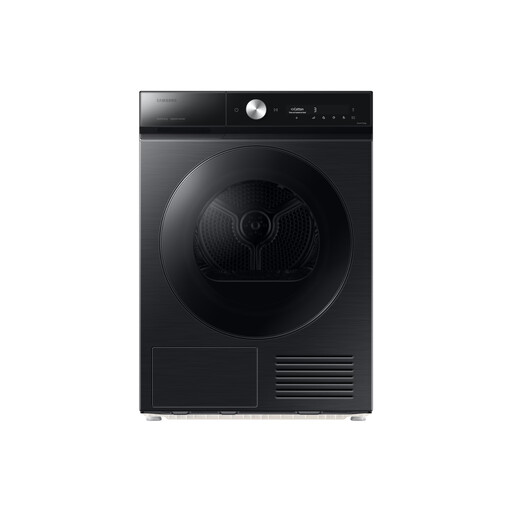
Why This Fits Their Persona: A suitable option for households wanting a premium-looking appliance with remote monitoring and flexible cycle control.
The listed 60dB noise level and four dryness levels make its core specification clear beyond the smart functions.
A+++ energy class, Wi-Fi through SmartThings, 23 programmes and a reversible door.
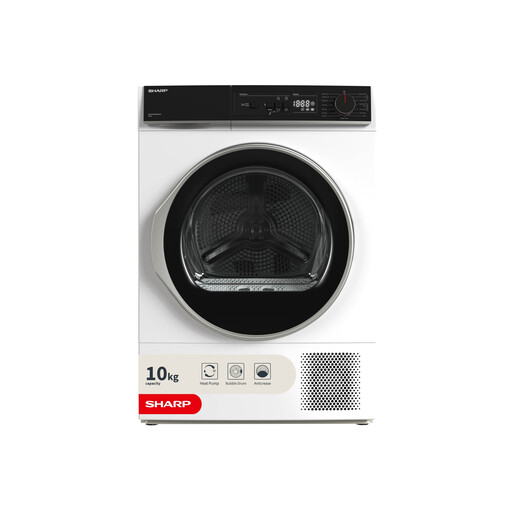
Why This Fits Their Persona: The 10kg drum is designed for large family loads, bedding, towels and households of around four to five people.
Its capacity is supported by 15 programmes, sensor drying and two-way tumbling rather than drum size alone.
A++ energy class, 64dB noise level, Express 34 and Shirts 20 programmes, plus a Bubble Drum.
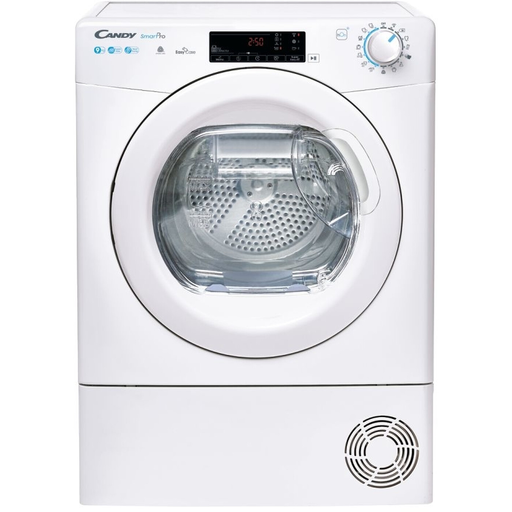
Why This Fits Their Persona: Wi-Fi and Bluetooth controls suit busy families who want cycle notifications and additional programmes through an app.
The app is paired with sensor drying, a 9kg capacity and an accessible EasyCase water reservoir.
A++ energy class, seven rapid cycles under 90 minutes and up to 40 additional app programmes.
A condenser tumble dryer collects moisture in a tank and generally offers flexible installation without an external vent. It can be practical where purchase price or simple controls are priorities, but its energy rating may be lower.
For comparison, the Candy Smart Pro 10kg condenser model listed here has a B energy rating, Wi-Fi connectivity and sensor drying. It may suit a household prioritising a large drum and app control, but buyers focused on long-term electricity consumption may prefer heat pump tumble dryers with higher energy classes.
Always compare the full specification, warranty, dimensions and current price rather than assuming one drying technology suits every home.
We have compiled a complete, real-time list of products that fully satisfy these strict selection criteria and UK safety regulations.
They can use less electricity than many conventional condenser or vented models because they recycle warm air and operate at lower temperatures. Actual savings depend on the energy label, annual kWh figure, load size, programme and household electricity tariff.
Usually not. Most collect condensed water in a removable tank. Some models can support drainage arrangements, but installation requirements vary, so check the manual and available accessories before purchase.
Lifespan depends on build quality, usage and maintenance. Cleaning the lint filter, emptying the tank and keeping the heat exchanger clear can help maintain airflow and drying performance. Follow the manufacturer’s servicing and safety instructions, and avoid overloading the drum.