Households drying family loads
If pyjamas go on the airer with other washing, compare stated load limits and usable drying space rather than choosing by tier count alone.


For pyjamas dried alongside a family wash, choose a heated airer by its stated load capacity and drying space, then check that it fits the room while open. Lakeland lists a three-tier model with 21m of drying space and a 15kg capacity, but those figures are reference points rather than a size every household needs. A timer may make routine use easier; whichever model you choose, plan for ventilation because indoor laundry adds moisture.
If pyjamas go on the airer with other washing, compare stated load limits and usable drying space rather than choosing by tier count alone.
If the airer cannot stay out between washes, its open dimensions and folded size both matter. Measure the intended spot without overlooking doors and walkways.
If you want a set switch-off period, check the exact model’s timer. You will also need a suitable place to dry laundry without trapping moisture indoors.
Start with the wash you expect to dry alongside pyjamas and the space available while the airer is open. Then compare controls and plan where the moisture from drying laundry will go.
| Concern | What to check | Who this matters to |
|---|---|---|
| Family-load capacity | Compare stated drying length and maximum wet-laundry load for the exact model. Lakeland’s Dry:Soon Deluxe and the cited three-tier airer each list 21m and 15kg. | If pyjamas share the airer with the rest of the wash, I need enough room to arrange everything without assuming that three tiers will suffice; about 31% of consumers would put family-load capacity first. |
| Room fit and storage | Measure open height, width and depth against the intended spot and walking routes; check folded dimensions separately. | When the airer has to be put away after each wash, I need it to fit both while open and in storage; around 25% of consumers would make space their primary concern. |
| Timer and garment care | Check timer settings, whether a compatible cover is included, and the pyjamas’ care labels. The cited Dry:Soon Deluxe has a timer; The cited Zennox model is listed with timed settings and an included cover. | For a regular evening wash, I would rather set a switch-off period than rely on remembering the airer, while following each garment’s care label; roughly 19% of consumers would prioritise these controls. |
| Moisture and electrical setup | Choose a ventilated indoor location with a suitable socket and a cable route that stays clear of walkways. Electrical Safety First advises against overloading extension equipment. | If the drying room is prone to condensation or the socket is awkwardly placed, I need a workable location before choosing an airer; about 25% of consumers would put moisture management and safe setup first. |
Wattage describes power while the airer is operating, not electricity use for a completed load. Which? notes that running costs depend on use; drying duration and how often you run the airer also matter.
Compare wattage alongside the load you expect to dry and any timer settings. Do not treat a lower rating as a promise of lower electricity use per wash.
A cover does not remove moisture from the home. UK government ventilation guidance warns that moisture can become trapped without effective ventilation and contribute to condensation.
Decide where the airer will stand and use the home’s ventilation as intended, keeping applicable vents unobstructed.
An airer that stores neatly may still obstruct a doorway or family walkway when loaded. Its cable also needs a clear route to a suitable socket.
Measure the airer’s open dimensions against the intended space. Follow the model’s cable instructions, and check an extension lead’s rating and connected load if one is necessary.
The cited Zennox listing gives bar count and timer settings, but a tier or bar count alone cannot establish the maximum wet-laundry load.
Check the exact model’s load instructions and usable dimensions against your usual combined wash before relying on it for family laundry.
Lakeland offers several Dry:Soon heated-airer formats. Its cited Deluxe three-tier model is a capacity-led option for pyjamas dried with other family washing.
Status offers a foldable aluminium three-tier airer for comparing stacked hanging space with a frame that folds away.
The cited Zennox three-tier model is worth considering when selectable timer settings and an included cover matter more to you than a stated family-load capacity.
These three-tier airers are options to consider for drying pyjamas alongside other household washing. Compare each model’s load instructions and open dimensions with your wash and the room where it will stand.
 No image available
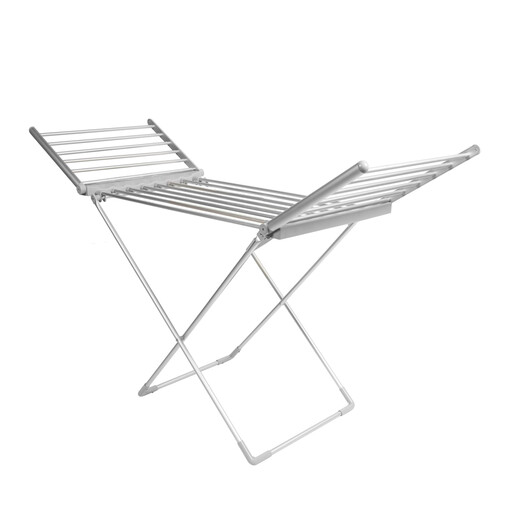
Consider this winged, three-tier airer if you want to arrange pyjamas with other washing indoors. Check its maximum load and open dimensions against your usual wash and drying space, and confirm whether its timer and cover arrangements meet your needs.
 No image available
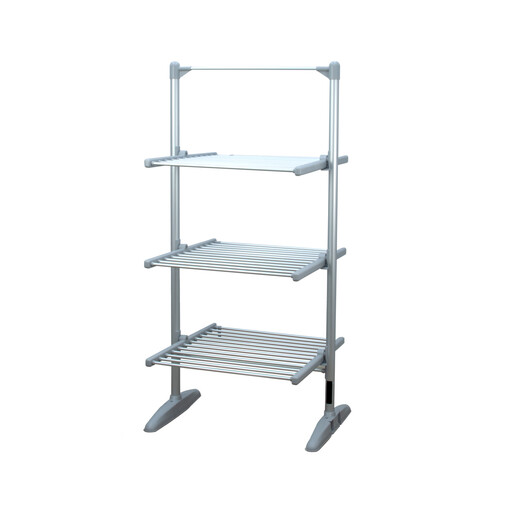
Consider this foldable three-tier airer if storage between family washes matters. Its stated 248W rating does not establish electricity use for a complete load; check the load limit, usable drying space, open dimensions and any timer or cover details before choosing it.
Choose by the combined wash you normally dry, the model’s stated wet-load limit and its usable drying space. Lakeland’s cited Dry:Soon Deluxe and the cited three-tier model each list 21m and 15kg, but you still need to check the open airer fits your room.
No. Drying clothes indoors adds moisture even when you use a cover. UK government ventilation guidance warns that moisture can become trapped without effective ventilation, so plan where the airer will stand and use the room’s ventilation as intended.
Follow the instructions for your exact model rather than assuming either arrangement is suitable. The cited Coopers of Stortford three-tier airer instructions specify indoor household use and advise against placing its power cord under rugs or carpets.