
24/7 Customer Support

Free returns

Same-day & Next-day Delivery

Quality Guaranteed

Unlock Your Welcome Offers: FREE Delivery | Up to 80% OFF | Free 30-day JoyPlus trial
Download the APP
A long day on your feet, whether in a busy hospital ward, a retail shop or simply from the stresses of daily life, can leave your feet aching. A quality heated foot spa massager promises a welcome escape, offering warmth and relief right in your living room. However, the market is flooded with options, and it is easy to end up with a device that disappoints.
Many buyers find their new gadget gathering dust after a few uses. This is often due to a few common but frustrating design flaws. Before you buy, be aware of these frequent pitfalls to ensure your investment provides lasting comfort, not just another piece of clutter.
To avoid disappointment, focus on the core specifications that separate a genuinely effective electric foot bath with heat and massage from a subpar one. Understanding these features will empower you to make a smart choice.
The single most important feature is the heating system. Look for models that offer active heating, not just a "keep warm" function. A quality unit should have:
The type of massage is what elevates a simple foot bath to a therapeutic device. Pay close attention to the mechanics:
A foot spa should be a convenience, not a chore. Practical design elements make all the difference for regular use:
Based on these practical criteria, here are some models suited to different user needs.
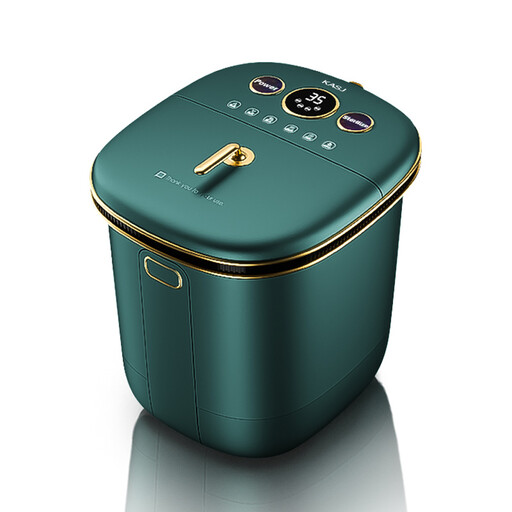
Why This Fits Their Persona: Ideal for UK residents with physically demanding jobs or chronic foot issues like plantar fasciitis. The targeted massage system is designed to address specific pain points rather than just general relaxation.
It directly counters the "passive massage" pitfall with a dual-action system of 6 motorised rotating rollers and 2 up-and-down acupressure nodes, delivering a true shiatsu-style massage.
The combination of rotating and pressing massage nodes provides comprehensive coverage for the entire sole, effectively targeting areas prone to pain.
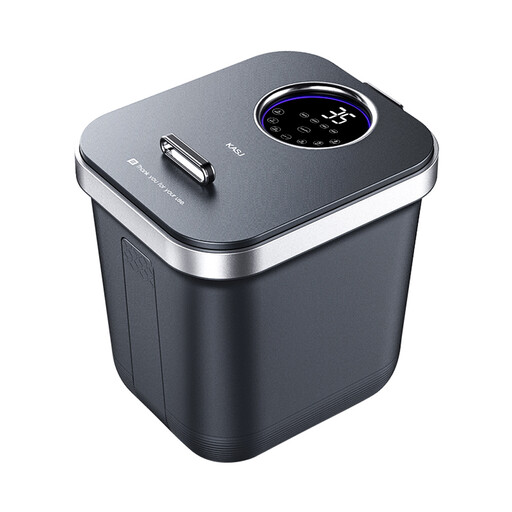
Why This Fits Their Persona: Perfect for those who want to create a full spa-like ritual at home. It's less about acute pain and more about holistic relaxation, stress relief and relieving general leg fatigue after a long week.
This model tackles the "paddling pool" problem with its deep tub design, allowing water to cover the calves for a truly immersive hydrotherapy session that benefits the lower legs, not just the feet.
The combination of a deep tub, a built-in herb box for aromatherapy and easy-move wheels makes it a convenient and comprehensive solution for regular home wellness routines.
We have compiled a complete, real-time list of products that fully satisfy these strict selection criteria and UK safety regulations.
It depends on the model. Some units have a dedicated herb or salt compartment to allow for this. For models without one, it is crucial to check the manufacturer's instructions. Adding salts or oils directly to the water can risk clogging the water pump and circulation pipes. If you do add them, it is often recommended to place them inside a small, sealable filter bag to prevent residue from damaging the internal components.
Hygiene is important. After each use, unplug the device and empty all water using the drain port. Wipe the interior and exterior with a soft, damp cloth. Do not immerse the entire unit in water. For a deeper clean, many models feature removable massage plates that can be detached and washed separately with mild soap and water. Always ensure the unit is completely dry before storing it to prevent mould and mildew.
The running cost is generally low. A typical foot spa with a powerful heater might have a power rating of around 500 watts. If you were to use it for a 30-minute session, it would consume approximately 0.25 kilowatt-hours (kWh) of electricity. Based on average UK electricity prices, this would cost only a few pence per session, making it an affordable way to relax at home.