
24/7 Customer Support

Free returns

Same-day & Next-day Delivery

Quality Guaranteed

Unlock Your Welcome Offers: FREE Delivery | Up to 80% OFF | Free 30-day JoyPlus trial
Download the APP
The unpredictable British weather means our homes often need a blast of cool air one week and a cosy wave of warmth the next. A heating and cooling tower fan promises to be the perfect year-round tower fan, saving space and hassle. However, the market is filled with models that can over-promise and under-deliver. Before you invest, it's crucial to understand the common pitfalls that lead to disappointment and wasted money.
As a Joybuy Product Recommendation Officer, my role is to help you see past the marketing clutter and focus on what truly matters for year-round comfort in your home.
Many shoppers end up with a device that is either too weak for a chilly evening or too loud for a peaceful night's sleep. Here are the key traps to watch out for.
Many product descriptions boast about "powerful performance" without giving clear figures for both functions. A fan's cooling function might only consume 40-50 watts, while its heating element requires significantly more.
tower fan with heater should offer at least 1800W-2000W to provide effective warmth.Nearly every fan is marketed as a quiet tower fan, but the definition of "quiet" varies wildly. A manufacturer might only quote the decibel (dB) level of the lowest fan setting, which may produce very little airflow.
bedroom tower fan is quiet on its lowest setting but sounds like a jet engine on any speed that actually cools the room, making it unusable for sleep.The market includes small, often USB-powered, portable tower fans. These are designed for personal, close-range cooling at a desk or bedside table.
year-round tower fan.To ensure your purchase meets your needs from frosty winter mornings to humid summer nights, focus on these non-negotiable specifications.
The core function of a heating and cooling tower fan is its ability to perform both tasks effectively. The most common and efficient heating technology in modern units is PTC (Positive Temperature Coefficient) ceramic heating. This technology is self-regulating, which makes it safer and helps prevent overheating. As mentioned, a 2000W output is a solid benchmark for heating a small to medium-sized room. For cooling, look for multiple fan speed settings to tailor the airflow to your preference.
In 2026, convenience is key. A smart tower fan can significantly improve your user experience. Features like an app controlled fan function allow you to adjust settings from your sofa or even before you get home.
Key smart features to look for include:
A dual-function appliance like this must have robust safety features. Look for tip-over protection, which automatically shuts the unit off if it's knocked over, and overheat protection, which does the same if internal components get too hot. From a design perspective, a slim tower footprint is ideal for saving space in smaller UK homes.
We've identified products that align with specific user needs, helping you avoid the common traps and find a reliable match for your home.
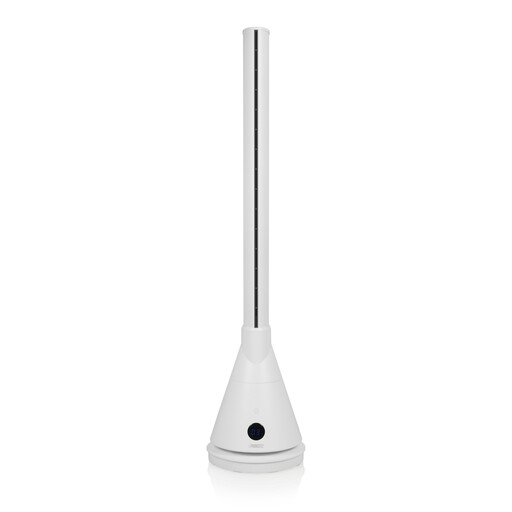
Why This Fits Their Persona: This user wants a single, stylish appliance for their living room or home office that works all year. They value the convenience of controlling their home environment via their smartphone and appreciate a modern design that blends in.
It clearly states its 2000W heating power, confirming it's a genuine room heater, not just a fan. The smart app provides full control over all functions, avoiding the limitations of basic remotes or vague settings.
True year-round functionality in one sleek unit. The app control allows for scheduling and remote operation, adding a layer of convenience for busy households.
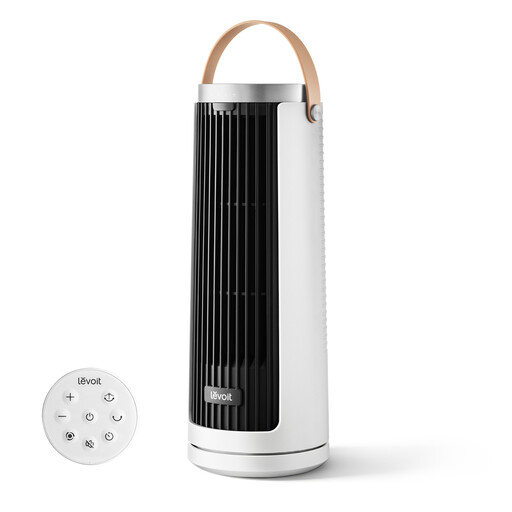
Why This Fits Their Persona: This user needs a compact, portable solution for cooling their immediate personal space, like a desk in a stuffy home office or a bedside table. They prioritise portability and low noise over room-scale power. Note: This is a cooling-only fan.
By understanding this is a personal cooling fan, you avoid the trap of expecting it to heat or cool an entire room. It excels at its intended purpose: providing a quiet, direct breeze.
Its USB-C rechargeable battery and lightweight design offer true portability. The low-noise operation makes it ideal for focused work or sleep without the disruption of a larger fan.
We have compiled a complete, real-time list of products that fully satisfy these strict selection criteria and UK safety regulations.
The running cost depends entirely on the mode you are using.
Modern, well-built units from reputable brands are designed with safety in mind. Always look for models that explicitly list tip-over protection and overheat protection. These features are essential for unattended use. It is also good practice to ensure the fan has clear space around it and is not covered by bedding or curtains.
Regular cleaning is vital for performance and air quality. First, always unplug the appliance. Use the brush attachment of your vacuum cleaner to gently remove dust from the air intake and outlet grilles. For a deeper clean, wipe the exterior with a soft, damp cloth. Never use harsh chemicals or immerse the unit in water. Refer to the manufacturer's manual for specific instructions.