
24/7 Customer Support

Free returns

Same-day & Next-day Delivery

Quality Guaranteed

Unlock Your Welcome Offers: FREE Delivery | Up to 80% OFF | Free 30-day JoyPlus trial
Download the APP
There are few household frustrations as messy and inconvenient as a split bin bag. That moment when you lift the bag, only for it to tear and spill its contents, is something we all want to avoid. Flimsy, unreliable liners often lead to double-bagging, unpleasant odours and a cleanup job you simply do not have time for.
As the Joybuy Product Recommendation Officer, my role is to help you find practical solutions that genuinely work. This guide cuts through the clutter to focus on what truly matters in a bin bag: strength, capacity and reliability. We will explore what makes a quality bag and highlight some dependable options to make your waste disposal cleaner and more straightforward.
Before picking a product, it helps to understand the key features that separate a dependable bag from a disappointing one.
The term 'heavy duty' often refers to the thickness and quality of the plastic. A higher-gauge plastic is generally more robust, making for tear resistant bin liners that can handle awkward shapes and heavier loads without splitting. Look for descriptions that mention reinforced materials or a seamless base, as these are indicators of a leak proof bin bags design, which is essential for containing wet kitchen waste.
Choosing the correct size is crucial. A bag that is too small will slip down into the bin, while one that is too large is wasteful. Most standard kitchen bins in the UK hold between 50 and 80 litres. For larger households or small business use, 75l bin bags offer a generous capacity that reduces the frequency of changes. Always check your bin's stated capacity, usually found on its base or original packaging, to ensure a perfect fit.
While traditional tie-top bags are functional, a drawstring closure offers superior convenience. It makes sealing the bag simple and secure, creating instant handles for easy lifting and carrying. This design also helps to trap odours more effectively, keeping your kitchen environment more pleasant. For many, the ease of a drawstring makes it a non-negotiable feature for their main kitchen bin bags uk.
Here are a few carefully selected options that deliver on strength and convenience, each catering to slightly different household needs.

Why It Stands Out: This product is a prime example of a true heavy duty drawstring bin bag, combining exceptional strength with a large capacity and an eco-conscious design.
Pros:
Who is it for? Households and small businesses that generate significant waste and prioritise maximum strength and the convenience of a drawstring closure. It is the go-to choice for anyone tired of bag failures.
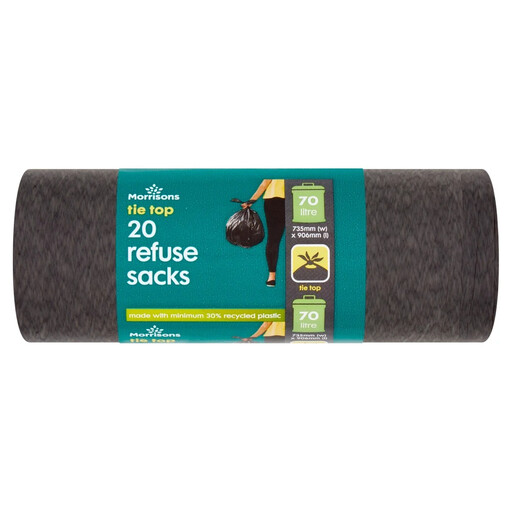
Why It Stands Out: A reliable and economical option for everyday use, offering a generous capacity and a secure tie-top closure system.
Pros:
Who is it for? Individuals and families looking for a dependable and affordable solution for their daily waste. It is a solid performer for general refuse without the need for extreme heavy-duty specifications.
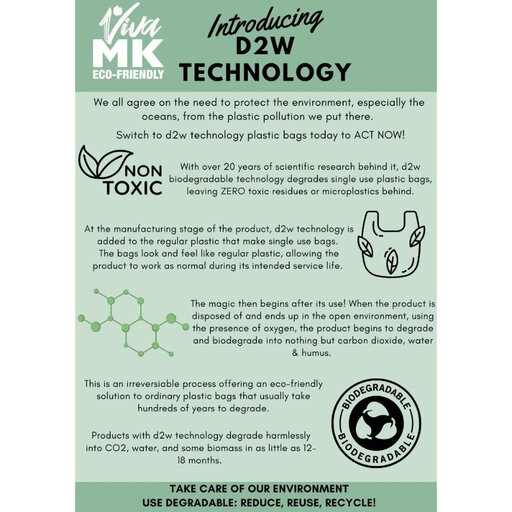
Why It Stands Out: This option provides a strong and reliable waste containment solution with a focus on reducing long-term plastic pollution.
Pros:
Who is it for? The environmentally aware consumer who wants a strong, functional bin bag but is also actively looking for ways to minimise their environmental footprint.
The products highlighted here are excellent starting points, but every household has unique needs. If you are looking for different sizes, closure types or pack quantities, there are many other quality options available.
? Explore our full range of kitchen bin bag solutions at Joybuy.co.uk
A 'heavy duty' or extra strong bin bag is typically defined by its material thickness, often measured in microns and the type of plastic used. Low-density polyethylene (LDPE) is common for its flexibility and resistance to tearing, while features like reinforced seams or multi-layer construction add to its overall strength and puncture resistance.
Yes, modern manufacturing processes ensure that high-quality recycled bin bags can be just as strong and reliable as those made from virgin plastic. Reputable brands use carefully processed recycled materials to produce durable, tear resistant bin liners that perform exceptionally well for household and commercial waste.
The easiest way is to check the litre capacity of your bin, which is often embossed on the bottom or mentioned on a sticker. If you cannot find it, you can measure the bin's height and circumference. However, matching the bag's litre size (e.g., 75l bin bags for a 75-litre bin) is the most straightforward method for a secure fit.