
24/7 Customer Support

Free returns

Same-day & Next-day Delivery

Quality Guaranteed

Unlock Your Welcome Offers: FREE Delivery | Up to 80% OFF | Free 30-day JoyPlus trial
Download the APP
As a Joybuy Product Recommendation Officer, my role is to help you navigate the crowded market of home furnishings. When it comes to storage, heavy duty floating shelves promise a blend of minimalist style and robust functionality. However, many UK homeowners find their purchase falls short, quite literally. Before you invest, let's look at the common issues that can lead to sagging shelves and buyer's remorse.
The appeal is clear: a clean, modern look that saves floor space. Yet, the reality can be disappointing. Here are two frequent pitfalls to watch for:
To ensure your shelves are both beautiful and built to last, focus on these two non-negotiable factors.
The material of your shelf is the single most important factor in its performance. While wood and MDF are popular, they have drawbacks. MDF is susceptible to moisture and can sag over time under its own weight, let alone the weight of your items. For a truly durable and versatile solution, consider metal.
However, not all metals are equal. For a genuinely rust proof wall shelf, solid aluminium is a superior choice. Unlike coated steel, aluminium does not rust, making it ideal for kitchens and bathrooms where moisture is a constant. It offers an excellent strength-to-weight ratio, providing a sturdy platform without adding excessive strain to your walls. This makes an aluminium wall shelf a reliable option for a clean, minimalist display shelf.
A shelf is only as strong as its mounting. A "heavy duty" label is meaningless if the provided wall fixings are not suitable for your wall type. Always check if the shelf comes with appropriate anchors for plasterboard, brick or other surfaces.
The design also plays a crucial role. Look for shelves with a substantial mounting bracket or a unibody construction that distributes weight evenly. For example, black floating shelves with a clean, single-piece design not only offer a modern wall shelves aesthetic but can also provide greater structural integrity than those with separate, flimsy brackets.
Based on these practical criteria, we've matched some options to different user needs. Instead of just focusing on the shelf, we're also considering how you might style it to complete your space.
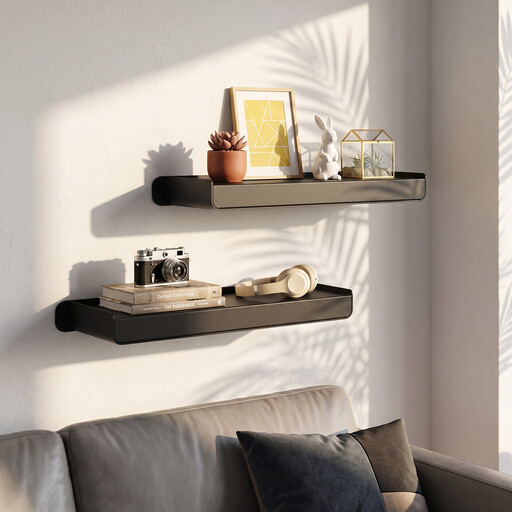
Why This Fits Their Persona: This user needs a reliable, no-fuss storage solution that works equally well in the living room for books, the kitchen for spices or the bathroom for toiletries. They value function, durability and a clean, modern aesthetic above all else.
Constructed from heavy-duty aluminium metal, it is genuinely waterproof and rust-resistant, directly countering the issue of failing coatings in damp environments.
Features a substantial weight capacity of up to 44 pounds (approx. 20kg) and includes a protective rubber pad to prevent wall damage. Its minimalist design has also been recognised with a German Design Award.
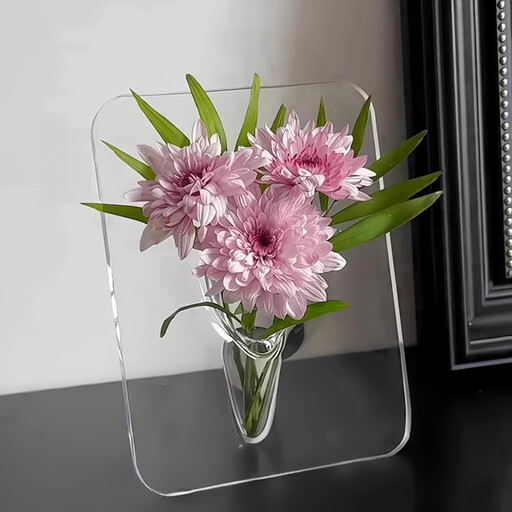
Why This Fits Their Persona: For this user, a shelf is a stage. They seek unique objects to create an artistic focal point. This vase is an ideal item to display on a minimalist shelf, turning a simple storage solution into a curated art piece.
The common trap for stylists is clutter. By choosing a single, high-impact decorative item like this, it encourages a "less is more" approach that complements the clean lines of a modern floating shelf.
The clear acrylic and book-like shape create a striking, modern visual. It's a conversation starter that adds a touch of sophistication to any display.
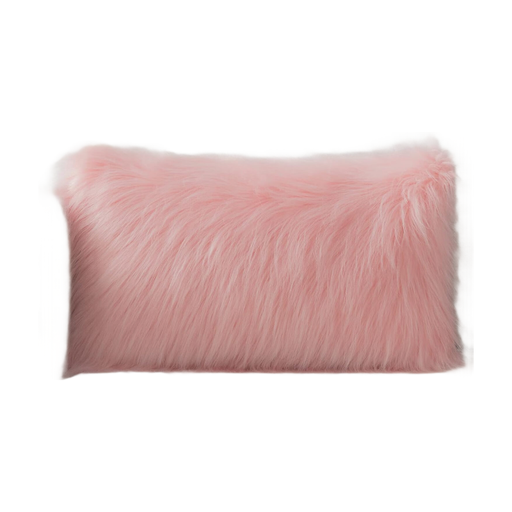
Why This Fits Their Persona: After organising with sleek shelving, this user wants to ensure the room feels warm and inviting. They focus on textures and comfort to create a cosy atmosphere. This pillow cover is part of a holistic room design.
A room with only hard, minimalist surfaces can feel cold. This avoids that trap by introducing a soft, tactile element that balances the clean lines of metal and creates a more comfortable living space.
The fluffy, Mongolian-style faux fur adds instant warmth and a touch of luxury. The material is also STANDARD 100 by OEKO-TEX certified, ensuring it is skin-friendly.
We have compiled a complete, real-time list of products that fully satisfy these strict selection criteria and UK safety regulations.
This is the most critical question. While a shelf might be rated for 20kg, this is for solid walls. On a standard plasterboard wall, the weak point is the wall itself, not the shelf. For heavy loads, you must use specialist plasterboard fixings (like toggle bolts or self-drilling anchors) and, if possible, screw at least one part of the bracket into a wooden stud behind the plasterboard. For general use, it's wise to assume a maximum load of 5-10kg per shelf on plasterboard unless professionally installed.
Generally, no. Most come with a complete hardware kit and instructions. The process typically involves marking your drill holes with a spirit level, drilling, inserting the wall plugs and then screwing the shelf into place. The KAPANOU shelf, for example, is designed for assembly in just a few minutes. The most important step is ensuring it is level and securely fastened to the wall.
Yes, but with caution. If you plan to use floating shelves for books, especially heavy hardbacks, you must prioritise strength. Choose a solid aluminium or thick solid wood shelf over MDF. More importantly, ensure it is mounted correctly into solid wall studs or brickwork. For plasterboard walls, it would be safer to distribute a book collection across several shorter shelves rather than one long one to spread the load.