
24/7 Customer Support

Free returns

Same-day & Next-day Delivery

Quality Guaranteed

Unlock Your Welcome Offers: FREE Delivery | Up to 80% OFF | Free 30-day JoyPlus trial
Download the APP
A reliable pair of heavy-duty kitchen scissors can be one of the most versatile tools in your home, tackling everything from spatchcocking a chicken to snipping herbs and opening stubborn packaging. Yet, many of us have experienced the frustration of buying a pair that rusts after a few washes, goes blunt quickly, or has handles that snap under pressure.
Finding a pair that performs as promised means looking past the marketing hype. Many products fail due to a few common but easily overlooked design flaws. Before you make a purchase, be aware of these pitfalls:
To ensure you get a durable and effective tool, focus on these core parameters. They are the true indicators of quality and will help you select a pair of shears that meets your needs, whether you're looking for food scissors or all-purpose household shears.
The heart of any pair of scissors is the blade. For kitchen use, look for shears made from high-carbon stainless steel. This material offers a good balance of sharpness, durability and corrosion resistance.
The overall strength of a pair of shears often comes down to its construction.
A secure and comfortable grip is essential for both safety and efficiency.
Instead of a one-size-fits-all approach, we've matched our recommendations to specific user needs. Here are some options that align with the quality markers discussed above.
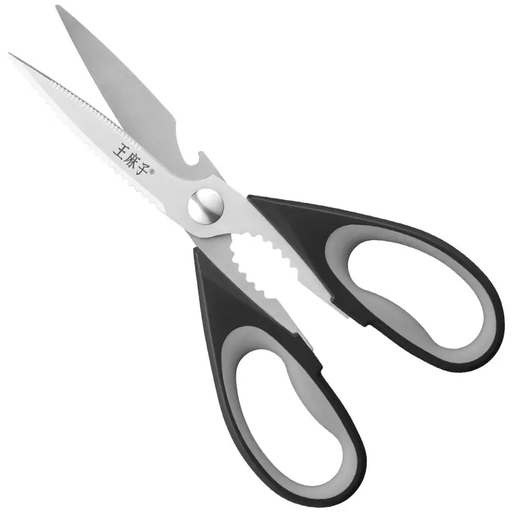
Why This Fits Their Persona: This user needs a reliable, versatile tool for daily kitchen tasks—from snipping herbs and dicing vegetables to preparing small, safe bites for baby food. They value ease of cleaning and a comfortable grip for frequent use.
It avoids being an over-complicated "multifunctional" tool by focusing on being a great pair of food scissors. The high-quality stainless steel construction resists rust, unlike cheaper alternatives.
Features ergonomic handles for a secure, non-slip grip, reducing hand strain. Its robust build is suitable for general food prep, including mincing cooked meats and vegetables.
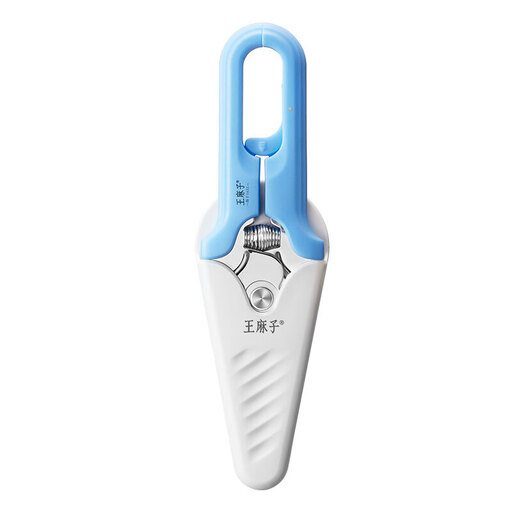
Why This Fits Their Persona: This cook needs true power. They are spatchcocking chickens, cutting through duck bones and preparing large cuts of meat. For them, blade strength, a solid pivot and leverage are the most important features in a pair of poultry shears.
These shears are built with a clear purpose: heavy-duty cutting. The robust blades and strong pivot are designed to handle the high pressure of cutting through bone, avoiding the common failure point of weaker, all-in-one models.
Specifically designed for cutting chicken and duck bones. The sharp, heavy-duty stainless steel scissors provide the necessary force and durability for butchery tasks that would break standard kitchen shears.
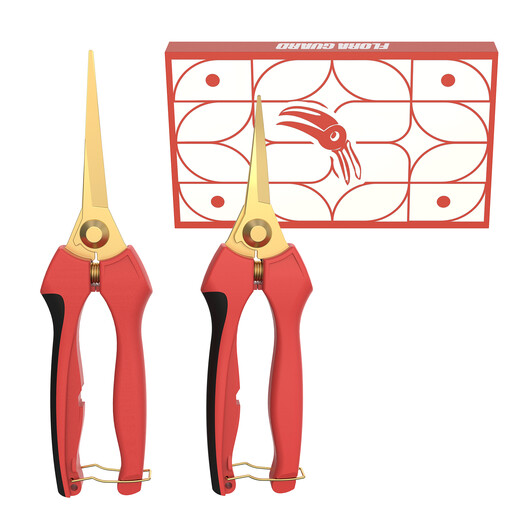
Why This Fits Their Persona: This user needs specialised tools for gardening, from deadheading flowers to trimming bonsai trees and pruning small branches. Precision, sharpness and comfort for extended use are their top priorities in a pair of pruning shears.
Instead of a single, compromised tool, this is a specialised set. The golden titanium-coated stainless steel blades offer enhanced corrosion resistance, a crucial feature for gardening scissors exposed to moisture and plant sap.
Includes both straight and curved blades for different tasks. The ergonomic composite handles (TPR + nylon) are designed for comfort and to reduce fatigue during long gardening sessions.
We have compiled a complete, real-time list of products that fully satisfy these strict selection criteria and UK safety regulations.
For hygiene and longevity, it's advisable to wash your kitchen shears by hand immediately after use, especially after contact with raw meat. Use warm, soapy water and a brush to clean the blades and pivot area thoroughly. Dry them completely before storing to prevent rust. Periodically placing a drop of food-safe mineral oil on the pivot screw will keep the action smooth.
Yes, many kitchen shears can be sharpened at home. Some models have blades that separate for easier cleaning and sharpening. You can use a handheld sharpener designed for scissors or a sharpening stone. Always follow the manufacturer's instructions. For high-quality or specialised shears, professional sharpening may be a better option to preserve the blade angle.
While the terms are often used interchangeably, there can be a difference. General multifunctional kitchen shears are designed for a variety of tasks like cutting herbs, twine and packaging. True poultry shears are more heavy-duty, often featuring thicker, curved blades (one of which may be serrated) and a spring-loaded mechanism to provide the leverage needed to cut through bones and joints. If your primary need is preparing poultry, a dedicated pair of poultry shears is the more effective tool.