
24/7 Customer Support

Free returns

Same-day & Next-day Delivery

Quality Guaranteed

Unlock Your Welcome Offers: FREE Delivery | Up to 80% OFF | Free 30-day JoyPlus trial
Download the APP
The way we work and study has changed, with many of us spending more time at a desk at home. An uncomfortable setup can lead to distraction and physical strain. A height adjustable desk offers a practical solution, allowing you to switch between sitting and standing to create a more dynamic and comfortable workspace.
Navigating the options can be confusing. This guide is designed to help you understand the key features to look for in a sit stand desk and to highlight a few options that cater to different needs and spaces, from a full-sized home office desk to a more compact, mobile solution.
Before you decide, consider a few key factors to ensure you find a desk that fits your space and work style.
The core feature of an adjustable desk is how it moves.
An adjustable office desk needs to fit both your room and your equipment. Measure your available space carefully before purchasing. A common size like 120 x 60 cm is often sufficient for a monitor, laptop and keyboard. Also, check the maximum load capacity to ensure it can safely support your setup. Look for sturdy materials like a steel frame for stability and a durable, easy-to-clean tabletop.
Beyond the basics, consider features that enhance usability. Cable management holes or trays help keep your workspace tidy and safe. Some desks include built-in storage pockets or hooks for headphones and bags. For an electric standing desk, look for a quiet motor to avoid disruption and an anti-collision sensor that stops the desk if it encounters an obstacle.
Here are a few selections that showcase the variety available, each suited to different requirements.
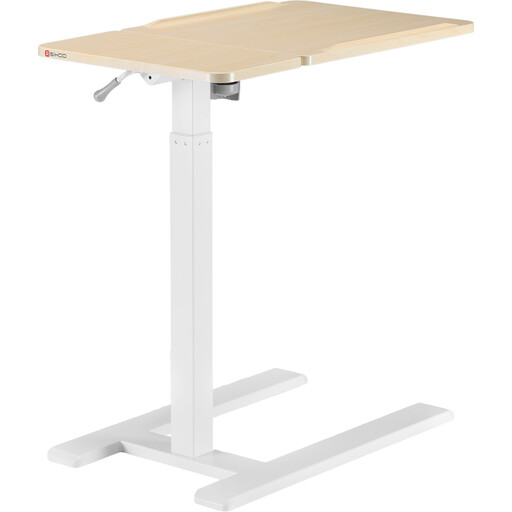
Why It Stands Out: The SIHOO D01 is not a traditional desk but a highly adaptable workstation. Its key advantage is its C-shaped base with wheels, which allows it to slide easily under a sofa or bed. The tabletop also tilts, making it comfortable for reading or using a tablet.
Pros:
Who is it for? This is an excellent choice for students in dorms, individuals working from a laptop in various locations around the house or anyone needing a convenient surface for reading or hobbies over a bed or chair.
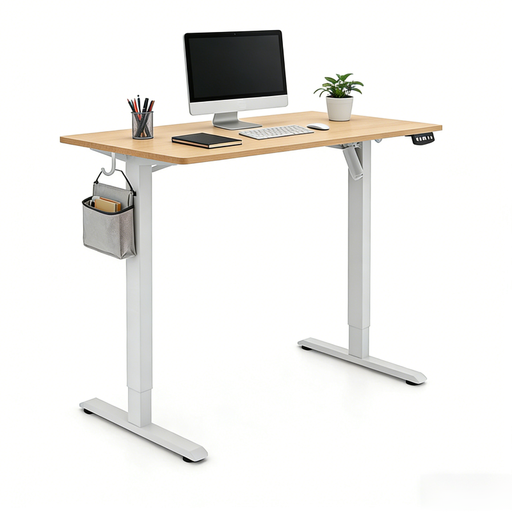
Why It Stands Out: This electric standing desk combines functionality with a clean, minimalist aesthetic. The light oak-coloured tabletop and simple controls make it a great fit for a modern home office desk. It focuses on providing the core benefits of a sit-stand workstation without unnecessary complexity.
Pros:
Who is it for? Remote workers and students looking for a reliable and stylish ergonomic desk. Its straightforward operation and modern design make it a solid foundation for a productive workspace.
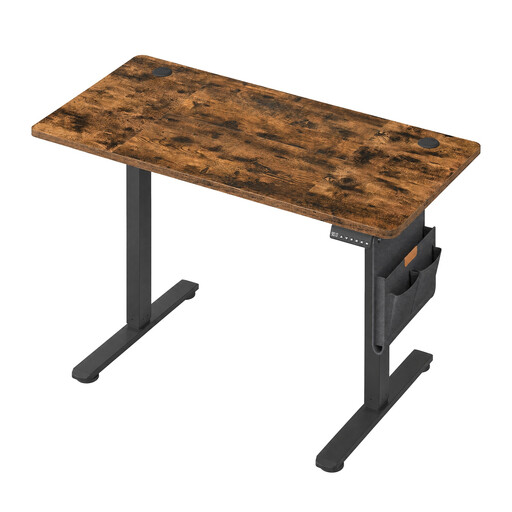
Why It Stands Out: This model builds on the core electric desk concept with added features for convenience and organisation. The rustic brown finish gives it a warm, industrial feel, while the integrated storage solutions help maintain a clutter-free desk.
Pros:
Who is it for? This desk is well-suited for power users, gamers or anyone who values a highly organised and feature-rich workstation. The extra memory presets and storage make it a versatile hub for productivity.
If these selections aren't quite what you're looking for, or if you'd like to explore different sizes, finishes and features, there are many other models to consider.
? Explore our full range of Ergonomic Standing Desks here
The primary benefit of a height adjustable desk is that it encourages movement. Alternating between sitting and standing can help reduce the negative effects of a sedentary workday, such as back stiffness and poor posture. It is not about standing all day, but about creating a more active and varied work routine.
This varies significantly by model. Lighter, more mobile desks may have a lower capacity, while robust electric desks are built to hold more. For example, the Ochama electric desks mentioned have a maximum static load capacity of 70 kg (154 lb), which is generally sufficient for multiple monitors and other standard office equipment. Always check the product specifications before purchasing.
There is no single rule that fits everyone. A common approach is to start by alternating 30 minutes of sitting with 30 minutes of standing. The key is to listen to your body. If you feel fatigued, sit down. The goal is to find a comfortable rhythm that breaks up long periods of sitting, not to force yourself to stand for hours on end.