People avoiding caffeine in an evening drink
Start with an infusion explicitly labelled caffeine-free rather than assuming every herbal blend qualifies. Twinings identifies mate and guarana as ingredients that can add caffeine.


Choose a herbal infusion explicitly labelled caffeine-free if avoiding caffeine is the priority, and check its ingredients: Twinings identifies mate and guarana as exceptions among herbal blends. Choose decaffeinated black or green tea if you prefer a conventional tea-leaf cup, bearing in mind Twinings says small traces of caffeine can remain.
Start with an infusion explicitly labelled caffeine-free rather than assuming every herbal blend qualifies. Twinings identifies mate and guarana as ingredients that can add caffeine.
If a black- or green-tea-style cup matters to you, decaffeinated tea keeps the choice within conventional tea. Twinings explains that the decaffeination process can leave small traces of caffeine.
Check the number of bags and the kind of tea before comparing packs. A large pack of decaffeinated black tea serves a different caffeine requirement from a herbal infusion labelled caffeine-free.
Settle whether you need caffeine-free herbal tea or decaffeinated conventional tea first; then compare ingredients, flavour and pack format within the route that fits.
| Priority | What to check | Your needs |
|---|---|---|
| Caffeine status | Look for an explicit caffeine-free statement on herbal infusions. Check for mate or guarana; decaffeinated black or green tea can retain traces of caffeine, according to Twinings. | I want to avoid caffeine, not just reduce it, so the distinction between herbal and decaf matters to me. |
| Type of cup | Check whether the pack contains a herbal infusion or black or green tea. Peppermint and chamomile are different ingredient choices from conventional tea leaves. | If I want a familiar tea-leaf cup, I would consider decaf. For a herbal cup, I would choose a flavour I actually want to drink. |
| Ingredients | Read the full list, especially on multi-herb blends, and check any pack warnings. Clipper lists peppermint as the sole ingredient in its Organic Peppermint Infusion; Teapigs puts a liquorice-root warning on its Liquorice & Peppermint blend. | A flavour name alone does not tell me everything in the bag, particularly when I need to check a specific botanical. |
| Pack format | Compare bag counts and net weights for packs of the same tea type, and check the current pack details. A larger decaf tea pack is not a substitute for herbal tea when caffeine-free is the requirement. | I want a pack size that suits how often I make tea, without losing sight of why I chose that tea type. |
Decaffeinated conventional tea has had most caffeine removed, but Twinings says small traces can remain. A herbal infusion is a different choice, and its ingredients still need checking.
If avoiding caffeine is your aim, look for an explicit caffeine-free statement and check for mate or guarana. Choose decaf when you want conventional tea and accept the possibility of residual caffeine.
A blend may contain botanicals that matter to a particular shopper. Teapigs places a liquorice-root and blood-pressure warning on its Liquorice & Peppermint tea.
Read the full ingredients and any warnings on the current pack, especially for multi-herb blends.
These examples show how decaffeinated tea and herbal infusions are described; check the individual pack rather than applying a range-wide claim to every blend.
Tesco lists own-label decaffeinated tea and peppermint tea in different pack sizes.
Twinings offers conventional decaffeinated tea and explains how it differs from herbal infusions.
Pukka identifies its Three Chamomile herbal tea as naturally caffeine-free.
Clipper describes its Organic Peppermint Infusion as naturally caffeine-free.
Teapigs describes its peppermint tea as naturally caffeine-free and lists pure peppermint leaves.
These herbal-style and decaffeinated tea packs offer different flavours and bag counts. Check each pack’s caffeine statement and ingredients against the kind of cup you want.
 No image available
Consider this 20-bag pack if you want a lemon-and-ginger cup. Check the current pack for its full ingredients and caffeine statement before choosing it to avoid caffeine.
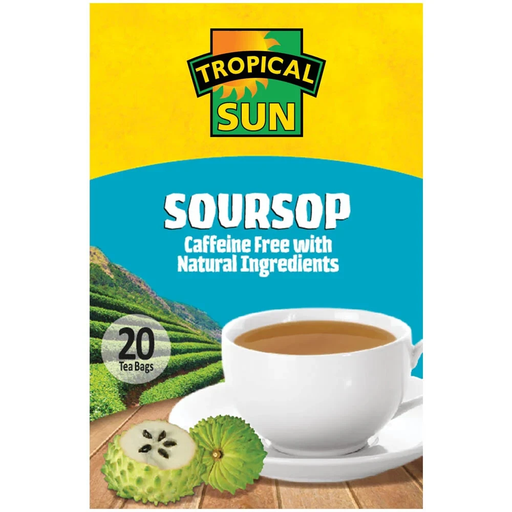 No image available
This 20-bag option is for shoppers considering a soursop cup. Read the pack’s ingredients and caffeine statement if caffeine avoidance guides your choice.
 No image available
The stated 80-pack size may suit a cupboard stocked with peppermint tea. Confirm the current ingredients and caffeine statement when choosing it as a caffeine-free drink.
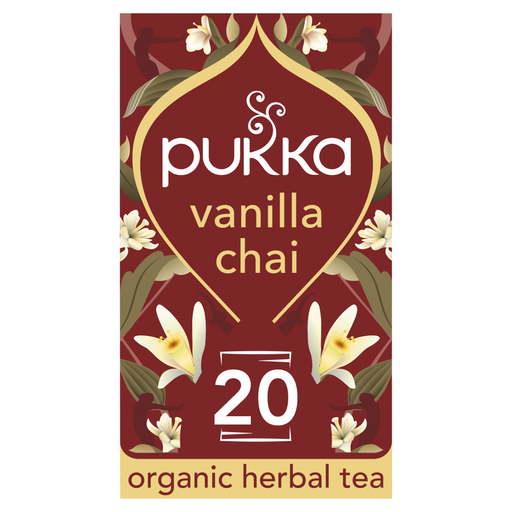 No image available
This 20-sachet herbal tea is a spiced-flavour alternative to peppermint or chamomile. It contains liquorice root, so check the current ingredients and any pack warnings if that botanical matters to you.
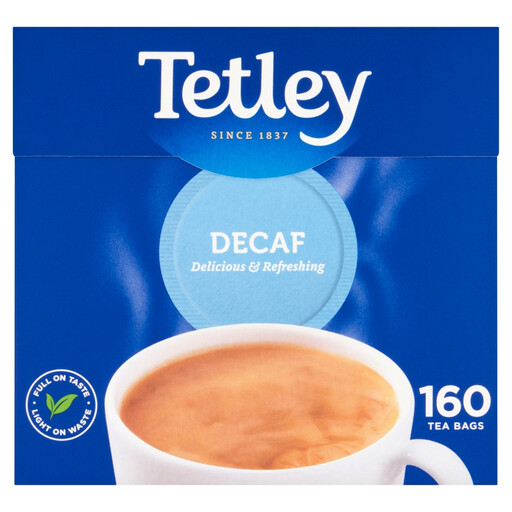 No image available
Choose this decaffeinated black tea if you want conventional tea rather than a herbal infusion. The pack states 160 bags and 500g; Twinings notes that decaffeinated tea can retain small traces of caffeine.
No. Twinings says most herbal and fruit infusions naturally contain no caffeine, but blends with mate or guarana are exceptions. Check both the ingredients and the product’s caffeine statement.
A herbal infusion explicitly identified as naturally caffeine-free differs from black or green tea processed to remove most of its caffeine. Twinings says small traces can remain in decaffeinated tea, so decaf is not an equivalent choice when you need to avoid caffeine.
Decide on the tea type first, then compare bag count and net weight across packs that meet the same caffeine requirement. Tesco’s Decaff Original is an 80-bag decaffeinated tea, while Pukka Three Chamomile is a 20-bag herbal tea identified by Pukka as naturally caffeine-free; pack size alone cannot make them interchangeable.