Who is this choice for?
The useful distinction is whether your household wants to avoid caffeine, keep a familiar tea flavour, or simply replace bags it gets through regularly.
Households choosing later-day drinks
If avoiding caffeine matters, compare a labelled caffeine-free infusion with decaffeinated tea rather than treating the names as interchangeable. The UK Tea & Infusions Association identifies caffeine-bearing ingredients in some infusions, including yerba mate, guarana, cola nut and cocoa husks.
Regular herbal-tea drinkers making a small restock
Start with flavours the household already drinks, then choose a bag count that suits how quickly the pack will be used. A smaller pack leaves less unused tea if a new flavour does not appeal.
Pregnant shoppers checking herbal blends
The NHS advises avoiding herbal teas containing liquorice root during pregnancy and drinking no more than four cups of herbal tea a day. Check the ingredients of the exact blend rather than relying on its flavour name.
What should you check?
Decide first whether caffeine avoidance or a conventional tea flavour matters more; then narrow the choice by ingredients and the number of bags you will use.
Naturally caffeine-free infusion
Choose it when: You want to avoid caffeine and enjoy a herbal or fruit-infusion flavour.
Bear in mind: Herbal blends vary, and some contain caffeine-bearing ingredients, so the exact label matters.
Decaffeinated black or green tea
Choose it when: You want a familiar black- or green-tea style with less caffeine.
Bear in mind: Decaffeination does not necessarily remove every trace of caffeine.
| Priority |
What to check |
Your needs |
| Caffeine status |
Look for an explicit caffeine-free statement and read the full ingredients. The UK Tea & Infusions Association notes that yerba mate, guarana, cola nut and cocoa husks can introduce caffeine into infusions. |
I want a hot drink without caffeine, not just a blend described as herbal. |
| Tea style |
Check whether the pack is a herbal or fruit infusion or decaffeinated black or green tea. Twinings distinguishes naturally caffeine-free infusions from tea that has undergone decaffeination. |
A familiar black-tea flavour matters more to me than choosing a naturally caffeine-free infusion. |
| Pack size |
Compare the number of bags with how often the household drinks that flavour. A small pack allows a flavour trial; a larger one makes more sense for a regular choice. |
For a new flavour, I would rather start with fewer bags. For a household favourite, I need enough for our usual routine. |
| Pregnancy guidance |
Read the botanical ingredients, particularly for liquorice root. The NHS advises avoiding teas containing liquorice root during pregnancy and drinking no more than four cups of herbal tea a day. |
If I am pregnant, I need to assess the exact blend and how much herbal tea I drink, not choose by flavour name alone. |
Brands and ranges to recognise
A brand name is a starting point, not a substitute for checking the caffeine statement and ingredients on the particular pack.
Pukka
Pukka lists a dedicated naturally caffeine-free herbal collection, including mint, ginger and chamomile blends.
- Pukka includes Three Mint and Three Ginger in that caffeine-free collection.
- Check the exact variety: a statement about this collection does not cover every tea in the wider Pukka range.
Twinings
Twinings offers a useful distinction between decaffeinated black or green tea and herbal or fruit infusions.
- Its range gives shoppers a choice between a conventional tea style and infusion flavours.
- Twinings notes that some infusions contain ingredients such as mate or guarana; check the chosen blend.
Clipper
Clipper has herbal infusions as well as decaffeinated tea, so the product name matters.
- Clipper identifies its Organic Peppermint Infusion 20-bag pack as naturally caffeine-free and made with organically grown peppermint.
- That description applies to the named peppermint infusion, not automatically to other Clipper teas.
Yogi Tea
Yogi Tea sells herbal blends through UK food shops and selected other retailers.
- Yogi Tea says the brewing suggestion for each variety is printed on its packaging.
- Use the exact pack’s ingredients and caffeine statement when selecting a blend.
Teapigs
Teapigs separates herbal, decaf and caffeine-free tea into shopping categories.
- Its listed caffeine-free choices include peppermint and chamomile-led teas.
- Choose by the particular blend and pack format rather than assuming the categories describe every product in the same way.
Tesco
Tesco’s grocery range includes own-label rooibos alongside branded herbal and decaffeinated teas.
- Its listings show different flavours and bag counts in the decaf-tea category.
- Check the individual product description: a retail category can contain both infusions and decaffeinated tea.
Joybuy tea options
These options include smaller herbal-tea packs, a larger peppermint pack and decaffeinated tea for a regular top-up. Check each pack’s caffeine statement and ingredients against your needs.
 No image available
Tropical Sun Soursop Tea, 20 bags
A 20-bag soursop tea pack to consider for a smaller top-up or a flavour trial. If avoiding caffeine is essential, check the caffeine statement and ingredients on the pack.
View on Joybuy
 No image available
Twinings Lemon & Ginger Tea Bags, 20 pack
The 20-bag pack offers a smaller lemon-and-ginger option when you do not want a larger restock. Check the full ingredients if selecting a blend for a specific dietary or pregnancy-related need.
View on Joybuy
 No image available
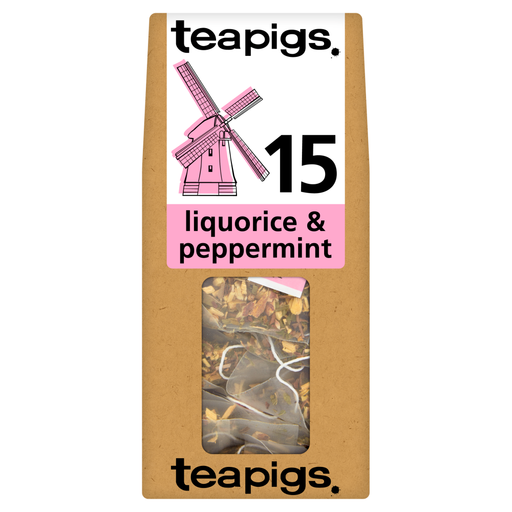
Teapigs Liquorice & Mint, 15 tea bags
A 15-bag option for a short restock if the household likes liquorice and mint flavours. Check the ingredients: the NHS advises avoiding herbal teas containing liquorice root during pregnancy.
View on Joybuy
 No image available
Twinings Pure Peppermint, 80 pack
The 80-bag format is worth considering when peppermint is already a regular household choice. Check the pack for its preparation instructions and caffeine statement.
View on Joybuy
 No image available
Clipper Organic Fairtrade Decaf Everyday, 80 bags, 277g
This decaf option comes in an 80-bag pack for households that regularly choose conventional tea over herbal infusions. Decaffeinated tea can retain traces of caffeine; check the product information if the exact amount matters.
View on Joybuy
Questions about herbal and decaf tea
Is herbal tea automatically caffeine-free?
No. The UK Tea & Infusions Association says many herbal and fruit infusions are naturally caffeine-free, but some contain caffeine-bearing ingredients such as yerba mate, guarana, cola nut or cocoa husks. Read the exact blend’s label and ingredients.
How is decaf tea different from a naturally caffeine-free infusion?
Decaffeinated black or green tea is made from tea leaves that naturally contain caffeine and can retain traces after processing. A naturally caffeine-free infusion does not rely on decaffeination, though its ingredients still need checking for exceptions.
Should I choose a small or large pack for a top-up?
Start with a smaller pack if the flavour is unfamiliar or you only need a short restock. A larger bag count is more practical when the household already drinks that flavour regularly; count the bags rather than judging by pack size alone.
What should I check about herbal tea during pregnancy?
Check the full ingredients for liquorice root. The NHS advises avoiding teas containing it during pregnancy and drinking no more than four cups of herbal tea a day, noting that research on the effects of herbal teas in pregnancy is limited.
How long should I brew a herbal tea bag?
Follow the instructions for the particular tea. Clipper recommends freshly boiled water and a 2–5 minute infusion for its Organic Peppermint Infusion; that timing should not be assumed for other blends.


