Who is each type of tea for?
The deciding difference is whether you want to avoid caffeine or keep the taste of black tea while reducing it.
Students avoiding caffeine at lunch
Look for an explicit naturally caffeine-free statement on the pack, then check the ingredients. Twinings notes that mate and guarana are exceptions among otherwise commonly caffeine-free herbal and fruit infusions.
Students who prefer black tea
Decaffeinated black tea keeps the tea-leaf base and can be served with milk. It is a different choice from a naturally caffeine-free infusion because decaf tea can retain trace caffeine.
Students carrying tea to campus
Tea bags avoid the need for a loose-tea infuser. If bags will travel in a backpack, check whether they are individually wrapped; also make sure the stated brewing time fits your break and that you can access hot water.
What should you check before buying?
Naturally caffeine-free infusion
Choose when: Avoiding caffeine matters more than recreating the taste of black tea.
Bear in mind: “Herbal” alone does not guarantee caffeine-free ingredients; check the particular blend.
Decaffeinated black tea
Choose when: You want a familiar black-tea cup and are comfortable with the possibility of trace caffeine.
Bear in mind: Decaffeinated does not mean naturally caffeine-free.
Once you have chosen the type of drink, use the pack to check ingredients, bag format and brewing instructions for your lecture-day routine.
| Priority | What to check | Your needs |
|---|
| Caffeine |
Look for an explicit naturally caffeine-free statement if avoiding caffeine. Check herbal blends for mate or guarana; Twinings says decaf tea can retain trace caffeine. |
I want a lunchtime drink without deliberately adding caffeine, rather than one that has simply had caffeine reduced. |
| Preparation |
Check whether the tea comes in bags, whether bags are individually wrapped and how long the pack says to brew them. Confirm you will have a mug and suitable hot water. |
A bag I can carry and prepare during a short break matters more to me than a loose-leaf option. |
| Flavour |
Choose between a black-tea base and the listed herbal ingredients. For example, Clipper lists peppermint as the sole ingredient in its Organic Peppermint Infusion; Twinings lists All Day Decaf as decaffeinated black tea. |
I would rather choose a flavour I recognise than assume every herbal infusion tastes like ordinary tea. |
| Ingredients |
Read the current ingredient and allergen information for the exact blend. If an ingredient raises a question because of medicines or a health condition, ask a pharmacist or clinician about that product. |
Knowing what is in the bag matters when I need to avoid an ingredient or check whether a blend is suitable for my circumstances. |
Which brands offer relevant options?
These brand ranges illustrate the types of tea to compare; check the caffeine statement and ingredients on the individual pack.
Pukka
Pukka describes a naturally caffeine-free herbal range with floral, mint and other flavour directions.
- Pukka identifies Three Chamomile as naturally caffeine-free.
- Pukka says many of its organic teas naturally contain no caffeine, not that every product does; check the chosen pack.
Twinings
Twinings offers decaffeinated conventional teas as well as fruit and herbal infusions, so the two routes should not be confused.
- Its All Day Decaf is listed as decaffeinated black tea in individually wrapped pyramid bags, with a 3–5-minute infusion time.
- Twinings notes that UK decaffeinated tea can retain trace caffeine.
Clipper
Clipper’s Organic Peppermint Infusion is a specific choice for shoppers seeking a mint infusion.
- Clipper lists peppermint as its ingredient and describes this product as naturally caffeine-free.
- Those ingredient and caffeine details describe the peppermint product, not every Clipper infusion.
Yogi Tea
Yogi Tea has a range of herbal blends with variety-specific preparation guidance.
- Yogi Tea directs buyers to the inner pack flap for the selected variety’s brewing instructions.
- Use the current pack to check that variety’s ingredients and caffeine information rather than relying on a general range description.
Teapigs
Teapigs lists herbal options spanning mint, rooibos, fruit, ginger and chamomile flavours.
- The range gives shoppers several ingredient and flavour directions to compare.
- A range listing does not establish the caffeine status or ingredients of every individual blend; check the specific pack.
Joybuy herbal infusion options
These Joybuy options are herbal infusions for a lunch break between lectures. They do not represent the decaffeinated black-tea route; if you want a conventional tea taste, compare a decaf black tea separately.
 No image available
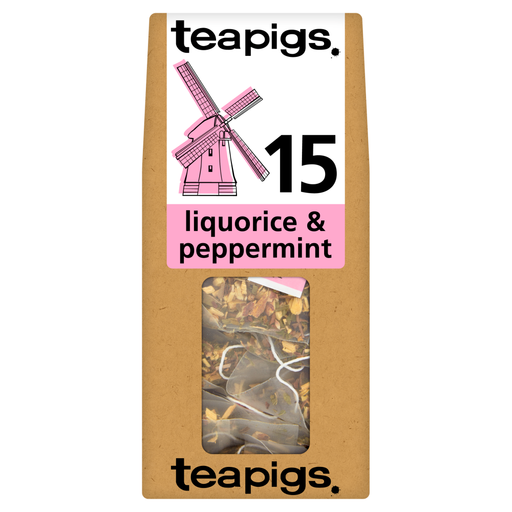
Teapigs Liquorice & Mint, 15 tea bags
For a mint-and-liquorice infusion at lunch, this blend is described as caffeine-free. Its stated ingredients are 70% liquorice root and 30% peppermint leaves, with a 3–5-minute steep. Check the current ingredients if liquorice is relevant to your circumstances, and confirm the wrapping format if you intend to carry individual bags.
View on Joybuy
 No image available
Pukka Chamomile Vanilla & Manuka Honey, 20 sachets, 32g
This caffeine-free herbal infusion has 20 individually wrapped bags for carrying to campus. The stated ingredients include chamomile, fennel, liquorice, honey flavouring and vanilla. Its 5–15-minute steeping range is worth checking against a short lunch break; read the current pack for ingredients and suitability information.
View on Joybuy
 No image available
Twinings Lemon & Ginger, 20 tea bags
For a citrus-and-ginger infusion rather than black tea, this product is described as naturally caffeine-free. Its listed ingredients include ginger root, lemon peel, fennel and lemongrass, and its stated steeping time is 3–5 minutes. Check the pack format if individually wrapped bags matter for carrying it.
View on Joybuy
 No image available
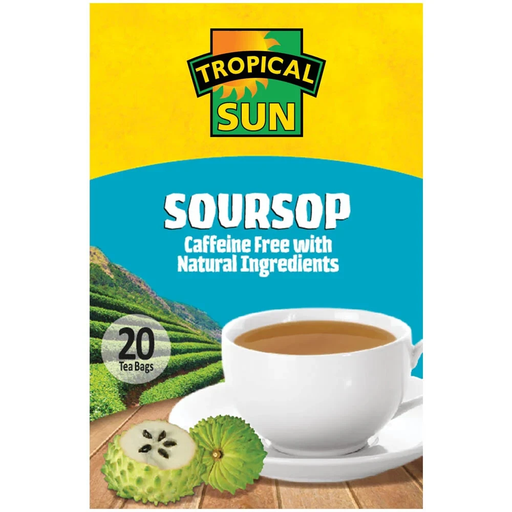
Tropical Sun Soursop Tea, 20 tea bags
This caffeine-free infusion is listed as 100% soursop leaf in tea-bag form, with a stated 3–5-minute hot-water steep. Check the current pack if an ingredient needs assessing for your circumstances, and confirm whether the bags are individually wrapped if you plan to carry them separately.
View on Joybuy
 No image available
Twinings Pure Peppermint, 80-pack
For a straightforward mint infusion, this caffeine-free product is listed as 100% peppermint and comes in an 80-pack. Check the pack’s brewing instructions before planning it for a short break, and confirm the wrapping format if you need to carry individual bags.
View on Joybuy
Frequently asked questions
Is every herbal tea caffeine-free?
No. Twinings says most herbal and fruit infusions naturally contain no caffeine, but blends with mate or guarana are exceptions. Check for an explicit caffeine-free statement and read the ingredients on the particular pack.
How does a caffeine-free infusion differ from decaf tea?
A naturally caffeine-free infusion is selected for its stated ingredients and caffeine status; decaf black tea is tea that has been decaffeinated and can retain trace caffeine. Twinings says UK decaffeinated teas typically contain no more than 0.2% caffeine, so choose by whether avoiding caffeine or keeping a black-tea taste matters more to you.
What if I want tea with milk at lunch?
Decaffeinated black tea is the closer match to a conventional cup with milk. Twinings lists its All Day Decaf as decaffeinated black tea and says milk can be added, but do not treat decaf as necessarily caffeine-free.
What works for a short break between lectures?
Choose tea bags and compare their stated brewing times with the break you have. Twinings gives 3–5 minutes for its individually wrapped All Day Decaf bags, while Clipper gives 2–5 minutes for its Organic Peppermint Infusion; both still require a mug and the hot water specified in their instructions.
Should I check a herbal blend if I take medicines?
Yes. Check the exact ingredients with a pharmacist or clinician if you take medicines or have a relevant health concern; do the same if you are pregnant or breastfeeding. The NHS cautions that herbal medicines are not suitable for everyone, although that guidance does not establish that every packaged herbal tea carries the same risks.


