Choose a naturally caffeine-free herbal infusion if the recipient wants to avoid caffeine, checking the exact blend for ingredients such as mate or guarana. If she prefers the familiar taste of black, green or Earl Grey tea and wants to reduce rather than avoid caffeine, decaffeinated tea is the closer fit; Twinings notes that UK decaf tea can retain small traces. For a Mother’s Day gift, let her usual flavours and any ingredient restrictions guide the choice.
Who is the tea for?
The recipient’s reason for choosing decaf matters as much as the flavour she likes.
Someone avoiding caffeine
Look for an infusion explicitly labelled naturally caffeine-free, rather than treating “decaf” as the same promise. Twinings identifies mate and guarana as exceptions among herbal and fruit blends, so check the ingredients of the exact flavour.
A traditional-tea drinker cutting down
Decaffeinated black, green or Earl Grey tea keeps the tea-leaf style she knows. Twinings says decaf tea can retain minor traces of caffeine, making this a different choice from a naturally caffeine-free infusion.
Someone with particular ingredient preferences
A plainly labelled chamomile or peppermint tea makes its main flavour easier to identify. With a more complex blend, read the full ingredient list before gifting it, especially if the recipient avoids particular botanicals or other ingredients.
What should you check before choosing?
Decide whether caffeine avoidance or familiar tea flavour comes first, then narrow the gift by taste and ingredients.
Naturally caffeine-free infusion
Choose when: The recipient wants to avoid caffeine and enjoys botanical flavours such as chamomile or peppermint.
Bear in mind: An herbal infusion will not taste like ordinary black tea, and a blend needs an ingredient check for exceptions such as mate or guarana.
Decaffeinated traditional tea
Choose when: The recipient prefers black, green or Earl Grey tea and wants less caffeine rather than none.
Bear in mind: Twinings says decaffeinated tea can retain small caffeine traces, so it is not interchangeable with a naturally caffeine-free infusion.
| Priority | What to check | Your needs |
|---|
| Caffeine status |
Check the exact pack for a naturally caffeine-free statement or a decaf label. Read herbal-blend ingredients for mate or guarana; Twinings identifies these as caffeine-containing exceptions. |
“I’m choosing for someone who wants to avoid caffeine, not just cut down,” calls for a different choice from decaf tea, which Twinings says can retain traces. |
| Flavour |
Match chamomile’s floral style or peppermint’s mint flavour to a known preference. For a tea-leaf drinker, consider decaf black or green tea; Clipper also describes rooibos as a naturally caffeine-free infusion that can be served with milk. |
“She usually drinks black tea with milk,” points me towards a different style from a plain chamomile infusion. |
| Ingredients |
Read the full list on flavoured and multi-herb blends. Check for ingredients the recipient avoids; Tesco lists liquorice root in Pukka After Dinner, and teapigs lists honey granules in its Chamomile & Manuka Honey tea. |
If I do not know which botanicals or flavourings she likes, I would choose a clearly labelled, familiar flavour rather than assume a complex blend will suit her. |
| Pack format |
Check the number of bags or sachets and the pack presentation on the exact product. A familiar everyday tea and a flavoured blend may make quite different gifts even when both are caffeine-free. |
For a Mother’s Day gift, I want the format to suit how often she drinks that flavour, as well as what she enjoys drinking. |
Common buying mistakes
-
Using “herbal” and “decaf” interchangeably
Decaf black or green tea is still tea-leaf-based and can retain caffeine traces, according to Twinings. That matters when the gift is for someone avoiding caffeine rather than reducing it.
Choose by the recipient’s actual requirement: check for a naturally caffeine-free infusion when avoidance is the priority, or decaf tea when familiar tea flavour and reduced caffeine matter more.
-
Assuming every herbal blend is caffeine-free
Twinings identifies mate and guarana as exceptions. The word “herbal” alone therefore does not settle the caffeine question for a mixed blend.
Read the exact product’s caffeine wording and full ingredient list, particularly when choosing an unfamiliar blend.
-
Overlooking ingredients in a complex blend
A blend can contain ingredients the recipient avoids. Tesco lists liquorice root in Pukka After Dinner; NHS pregnancy guidance advises avoiding herbal teas containing liquorice root during pregnancy.
Check the recipient’s ingredient preferences before buying. If she is pregnant, check the exact blend against NHS guidance rather than assuming that caffeine-free means suitable for unrestricted use.
Brand and retailer references
These examples help distinguish tea styles and ingredients; they are not a list of products stocked by Joybuy.
Pukka
Pukka describes a range of naturally caffeine-free herbal teas, including its Three Chamomile tea.
- Three Chamomile is described by Pukka as naturally caffeine-free.
- Its blends differ: Tesco lists liquorice root among the ingredients of Pukka After Dinner, so check the exact product rather than the brand name alone.
Twinings
Twinings distinguishes decaffeinated conventional tea from herbal and fruit infusions.
- Decaf tea is a route for someone who prefers familiar black, green or Earl Grey tea.
- Twinings says UK decaffeinated tea can retain minor caffeine traces; it also names mate and guarana as exceptions among herbal blends.
Clipper
Clipper offers plainly identified herbal infusions, including organic chamomile.
- Clipper labels its Organic Chamomile Infusion naturally caffeine-free and lists chamomile as its ingredient.
- Its herbal infusions and decaf conventional teas serve different caffeine and flavour preferences; check which type the pack contains.
Teapigs
Teapigs lists both plain peppermint and a flavoured Chamomile & Manuka Honey tea as naturally caffeine-free.
- Its peppermint product lists pure peppermint leaves, while the chamomile blend offers a different ingredient profile.
- The Chamomile & Manuka Honey product lists honey granules, flavourings and vanilla; check suitability for the recipient before choosing it.
Tesco
Tesco Groceries lists own-brand peppermint tea alongside herbal and decaffeinated options from other brands.
- Its listings offer a way to compare the stated pack formats of different tea styles.
- Check the current listing and exact pack when choosing; a search result does not establish that every flavour has the same ingredients or caffeine status.
Tea options on Joybuy
These options include herbal infusions for recipients who enjoy chamomile or mint, plus a decaf black tea for someone who prefers conventional tea. Check each pack’s caffeine wording and ingredients against the recipient’s needs.
 No image available
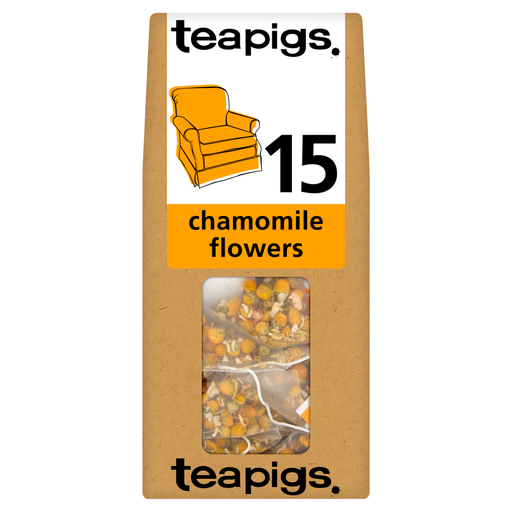
Teapigs Chamomile Flowers, 15 Tea Bags, 180g
A chamomile option for a recipient who already likes plain floral infusions.
The title identifies 15 tea bags and a 180g pack. Check the pack’s caffeine statement and presentation if either is important to the gift.
View on Joybuy
 No image available
Pukka Chamomile Vanilla & Manuka Honey, 20 Sachets, 32g
A flavoured chamomile choice when the recipient likes the ingredients named in the blend, rather than a plain single-herb infusion.
The pack title specifies 20 sachets and 32g. This blend contains liquorice root; NHS pregnancy guidance advises avoiding herbal teas containing liquorice root during pregnancy. Check the full ingredients for other restrictions.
View on Joybuy
 No image available
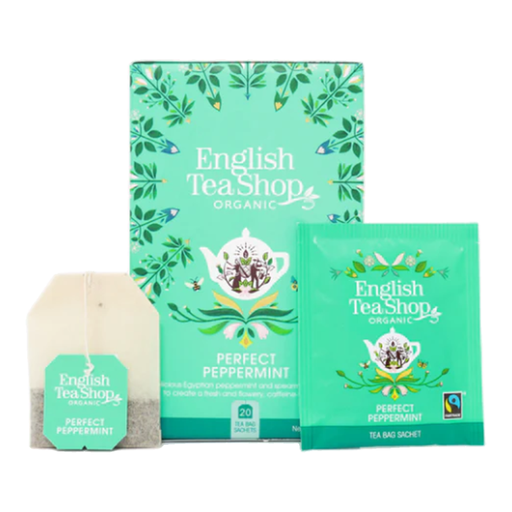
English Tea Shop Organic Perfect Peppermint, 20g
A mint-flavoured alternative for a recipient who prefers mint to chamomile.
The title gives a 20g pack size. Check the pack for the number of portions or bags if that affects the gift format, and confirm its caffeine wording on the exact product.
View on Joybuy
 No image available
Twinings Pure Peppermint, 80 Pack
A straightforward peppermint choice when the recipient regularly drinks mint infusions.
The title identifies an 80 pack. If avoiding caffeine is essential, confirm the caffeine statement on this exact pack rather than relying on the flavour name.
View on Joybuy
 No image available
Clipper Organic Fairtrade Decaf Everyday, 80 Tea Bags, 277g
A decaf black tea option for a recipient who prefers conventional tea and wants to reduce caffeine rather than avoid it.
The title specifies 80 tea bags and 277g. This is not a naturally caffeine-free herbal infusion; check the pack if caffeine traces matter to the recipient.
View on Joybuy
Frequently asked questions
Is decaf tea the same as caffeine-free herbal tea?
No. Decaf tea has had caffeine removed, while most herbal and fruit infusions naturally contain none. Twinings says UK decaffeinated tea typically contains no more than 0.2% caffeine, so check for an explicitly naturally caffeine-free product if avoidance, rather than reduction, is the goal.
Are all herbal teas naturally caffeine-free?
No. Twinings identifies mate and guarana as caffeine-containing exceptions among herbal and fruit blends. Read the ingredients and caffeine statement for the exact flavour you plan to give.
What could I choose for someone who likes floral tea?
A plainly labelled chamomile infusion is a starting point if you know she likes its floral flavour. Pukka describes Three Chamomile as naturally caffeine-free, and Clipper labels its Organic Chamomile Infusion naturally caffeine-free; check the pack format and ingredients of the product you choose.
What should I check before gifting herbal tea to someone who is pregnant?
Check the exact ingredients, not just whether the tea is caffeine-free. NHS pregnancy guidance advises avoiding herbal teas containing liquorice root and drinking no more than four cups of herbal tea a day. If you are unsure whether a particular blend is suitable for her, ask about her preferences before buying.


