For a late revision snack break when you want to avoid caffeine, choose a herbal or fruit infusion whose specific label says it is naturally caffeine-free, and check its ingredients rather than relying on the word “herbal”. Choose decaffeinated black or green tea if familiar tea flavour matters more and small traces of caffeine are acceptable; Twinings says traces tend to remain after decaffeination. A single-herb infusion makes the ingredient list simpler to assess, while a multi-herb blend calls for closer checking, particularly if you take medicines.
Who is each type of tea for?
The timing of your snack break, the flavour you want and the ingredients you need to check all affect the choice.
Late-evening revision snackers
If you want a hot drink without conventional tea caffeine close to bedtime, look for a specifically labelled naturally caffeine-free infusion. NHS Borders advises avoiding caffeine-containing drinks when preparing for sleep; check mixed-blend ingredients as well as the front label.
Traditional tea drinkers reducing caffeine
If the taste of black or green tea is important alongside your snacks, decaf is a different route from a herbal infusion. Twinings says minor caffeine traces tend to remain in decaffeinated tea, so decide whether reducing caffeine is enough for your purpose.
Shoppers checking individual herbs
A single-herb camomile or peppermint infusion offers a shorter ingredient list to inspect. If you take medicines or need to consider a health condition, read every ingredient in a multi-herb blend and ask a pharmacist or clinician about any suitability concerns. Guy’s and St Thomas’ NHS Foundation Trust notes that herbal products may interact with conventional medicines.
What should you check before buying?
Start with caffeine status, then narrow the choice by flavour and ingredients. Pack format matters once you know which kind of infusion you would actually drink during a break.
| Priority | What to check | Your needs |
|---|
| Caffeine status |
Look for a product-specific “naturally caffeine-free” or “caffeine-free” label. Read the ingredients of mixed infusions; for decaf black or green tea, allow for the traces Twinings says can remain. |
For a late snack break, I want an infusion labelled caffeine-free. If I would rather have conventional tea flavour, I can choose decaf only if residual caffeine is acceptable. |
| Flavour |
Check whether the recipe is camomile, peppermint or a multi-ingredient blend, and read the full ingredient list rather than choosing from the blend name alone. |
A floral camomile cup appeals to me more than mint, or I might prefer a ginger-and-lemon blend with my snacks. I can choose by those ingredients without expecting a functional effect. |
| Herbal ingredients |
Inspect every herb in a complex blend. If you take medicines or have a relevant health concern, check suitability with a pharmacist or clinician; Guy’s and St Thomas’ NHS Foundation Trust flags possible interactions between herbal products and medicines. |
When an ingredient matters to me, a shorter list is easier to inspect. A bedtime name alone does not answer whether a multi-herb tea is suitable for my circumstances. |
| Pack and preparation |
Compare the number of bags or temples, pack weight and on-pack brewing directions. Check whether the suggested preparation is for a hot or chilled drink. |
I want a pack format and preparation method that fit a short revision break, especially if I am trying a new flavour. |
What can be easy to overlook?
-
Assuming every herbal or bedtime tea is caffeine-free
A category or blend name does not establish the caffeine status of an individual recipe. This matters when avoiding caffeine is the reason for changing your revision-break drink.
Choose a product with its own caffeine-free label and inspect the ingredients, particularly in mixed blends.
-
Reading “decaf” as “no caffeine”
Decaffeinated conventional tea can retain minor traces of caffeine, according to Twinings. It is a different choice from a herbal infusion labelled naturally caffeine-free.
Choose decaf for black- or green-tea flavour when those traces are acceptable; otherwise, check a specifically labelled herbal or fruit infusion.
-
Choosing a complex blend by its bedtime name
A multi-herb tea may contain ingredients you need to assess individually. Guy’s and St Thomas’ NHS Foundation Trust warns that herbal products may interact with conventional medicines.
Read the complete ingredient list and seek advice from a pharmacist or clinician if you take medicines or have a relevant health concern. Do not treat a bedtime name as a treatment claim.
-
Comparing packs without checking their contents
Tea bags and tea temples can come in different pack counts, so two boxes need not provide the same number of drinks.
Check the count, pack weight, flavour and brewing directions before deciding which format suits your breaks.
Which brands offer relevant options?
These brand examples illustrate the difference between clearly labelled single-herb infusions, wider herbal ranges and decaf conventional tea; check the individual product rather than assuming every blend in a range is alike.
Pukka
Pukka has a UK caffeine-free herbal collection that includes Three Chamomile.
- Pukka labels Three Chamomile naturally caffeine-free, making it a clearly identified camomile option.
- Other Pukka blends use different herbal recipes; check each product’s caffeine label and ingredients.
Twinings
Twinings offers both herbal infusions, including Pure Camomile, and decaffeinated black and green tea.
- Twinings labels Pure Camomile naturally caffeine-free, while its decaf range offers a conventional-tea route.
- Twinings says minor caffeine traces tend to remain in decaf tea. Check which of the two product types you are buying.
Clipper
Clipper’s herbal-infusion range includes an Organic Peppermint product labelled naturally caffeine-free.
- The peppermint product offers a straightforward herb-led choice for shoppers who prefer mint.
- Check the ingredients of other blends individually rather than applying the peppermint product’s details across the range.
Teapigs
Teapigs offers a peppermint infusion in a 15-temple format.
- Teapigs lists pure peppermint leaves and labels this product naturally caffeine-free.
- Its temple format and 15-count pack differ from 20-bag boxes; compare contents before treating the packs as equivalent.
Yogi Tea
Yogi Bedtime is a naturally caffeine-free multi-herb blend, rather than a single-herb infusion.
- Its listed herbs include valerian root and lavender for shoppers interested in that particular blend of ingredients.
- A longer ingredient list calls for individual suitability checks, especially if you take medicines; a bedtime name is not a treatment guarantee.
Joybuy herbal infusion options
These Joybuy options are herbal infusions for a revision snack break, with mint, camomile, lemon-and-ginger and soursop-leaf choices. They do not represent the decaffeinated black- or green-tea route discussed above.
 No image available
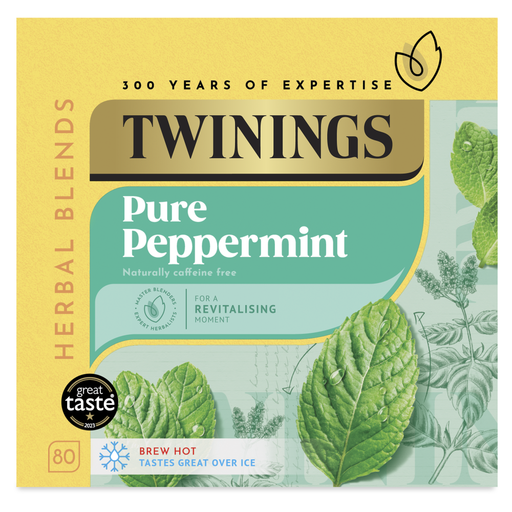
Twinings Pure Peppermint 80 Pack
For a mint infusion with revision snacks, this listing describes a caffeine-free tea made with 100% peppermint. The pack contains 80 tea bags.
 No image available
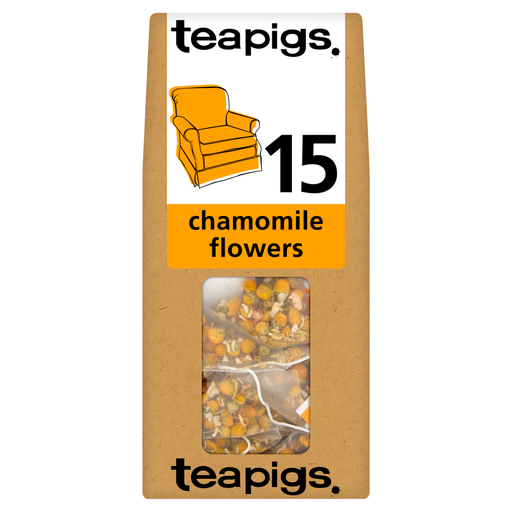
Teapigs Chamomile Flowers, 15 tea bags, 180g
For a floral alternative to mint with snacks, the listing describes a caffeine-free infusion of 100% chamomile flowers. Check the pack for preparation directions.
 No image available
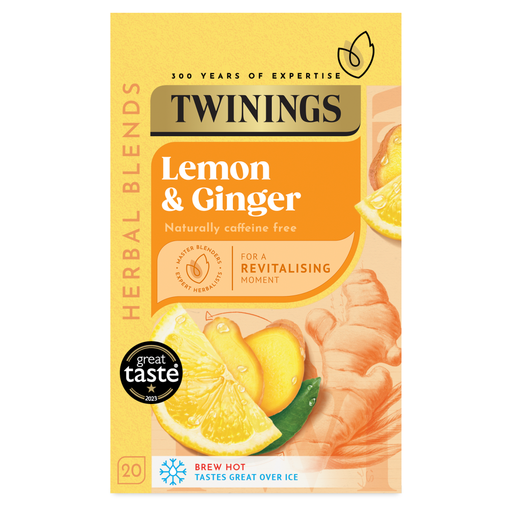
Twinings Lemon & Ginger Tea Bags, 20 Pack
For a ginger-and-lemon flavour with revision snacks, this naturally caffeine-free infusion contains multiple botanicals, including lemongrass and sweet fennel. The listing gives a 3–5 minute brewing time; check the full ingredient list if an individual herb matters to you.
 No image available
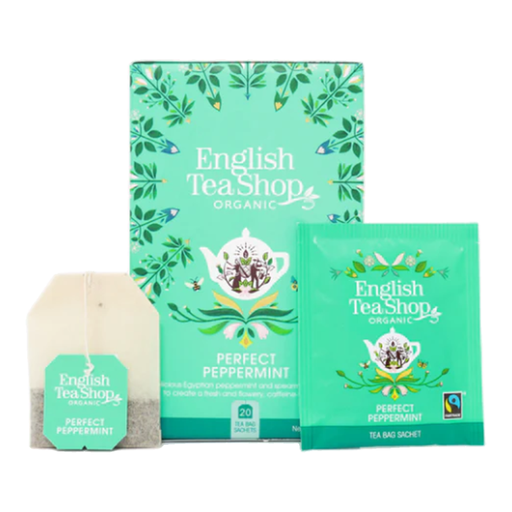
English Tea Shop Organic Perfect Peppermint, 20g
For a blended mint flavour with snacks, the listing describes a caffeine-free infusion containing 70% peppermint and 30% spearmint. Its serving suggestion emphasises a chilled drink, so check the pack directions if you want to prepare it hot.
No image available
Tropical Sun Soursop Tea, 20 tea bags
For a single-ingredient option beyond mint or camomile, the listing identifies 100% soursop leaves and describes the infusion as caffeine-free. It provides both hot- and cold-brew directions for different snack-break preferences.
Questions about herbal and decaf tea
Is every herbal tea caffeine-free?
No: do not assume caffeine status from “herbal” on its own. For a late revision snack break, choose an infusion with a product-specific caffeine-free label and check the ingredients of mixed blends.
How does naturally caffeine-free tea differ from decaf?
A naturally caffeine-free herbal infusion is a different product from black or green tea processed to reduce its caffeine. Twinings says minor traces tend to remain in decaffeinated tea, so choose decaf for conventional tea flavour only if that distinction works for you.
Which infusion flavour works with revision snacks?
Choose according to the ingredients and flavour you prefer: camomile offers a floral option, peppermint a mint option, and lemon-and-ginger blends a citrus-and-spice option. Read the recipe if you want to avoid a particular herb; flavour is not a reason to expect a health or study benefit.
Should I check a bedtime blend if I take medicines?
Yes. Read its full ingredient list and ask a pharmacist or clinician about suitability where relevant. Guy’s and St Thomas’ NHS Foundation Trust notes that herbal products may interact with conventional medicines, so a “bedtime” name should not replace an ingredient check.


