Guests avoiding caffeine
A clearly labelled, naturally caffeine-free infusion is the more relevant starting point than decaf tea, which can retain traces of caffeine. Check the ingredients as well as the front of the pack.


Choose a clearly labelled, naturally caffeine-free herbal infusion when avoiding caffeine is the priority; check the ingredients, as some herbal blends contain naturally caffeinated mate or guarana. Choose decaffeinated black tea when guests want a familiar tea taste, perhaps with milk, while recognising that decaf can retain traces of caffeine. Offering one of each gives guests a choice between those different flavour styles.
A clearly labelled, naturally caffeine-free infusion is the more relevant starting point than decaf tea, which can retain traces of caffeine. Check the ingredients as well as the front of the pack.
Decaffeinated black tea offers the familiar tea base and the option of adding milk. It is a different choice from a floral or mint herbal infusion.
A single-herb infusion has a shorter ingredient list than a botanical blend. Keep the packaging available so guests can check individual ingredients before choosing a cup.
Decide whether caffeine avoidance or a traditional tea taste matters more, then check the ingredients and preparation instructions for the cups you plan to serve.
| Priority | What to check | Your needs and surveyed preferences |
|---|---|---|
| Caffeine | Look for an explicit naturally caffeine-free statement on an infusion. Check blends for mate or guarana; decaffeinated tea can retain minor caffeine traces, according to Twinings. | If avoiding caffeine is the main concern, I would choose a clearly labelled infusion rather than assume that every herbal or decaf tea is caffeine-free. |
| Tea style | Compare a floral or mint infusion with a decaffeinated black-tea base. For the latter, check whether guests would like milk. | I might offer both styles for a mixed table. In a UK Tea & Infusions Association study of over 1,000 Britons, reported in May 2025, 71% named traditional black tea, with or without milk, as their main infusion of choice; 16% were more likely to opt for a herbal infusion. These are tea preferences, not measures of caffeine avoidance. |
| Ingredients | Read the full list, particularly for multi-herb blends. Check for ingredients that matter to individual guests, such as liquorice root. | For guests with specific ingredient considerations, I would leave the boxes beside the tea choices rather than assume that all botanical blends suit everyone. |
| Serving several cups | Check the bag format and each product’s brewing instructions. For example, Clipper specifies 2–5 minutes for its Organic Peppermint Infusion, while Yogi Tea specifies 5–6 minutes for Bedtime. | Individual bags would let guests choose their own cup. In the UK Tea & Infusions Association study reported in May 2025, 93% of the surveyed tea audience preferred making tea with a bag rather than preparing a loose-leaf infusion; this was not a finding limited to herbal-tea buyers. |
Twinings notes that mate and guarana are naturally caffeinated exceptions among herbal and fruit infusions.
When caffeine avoidance matters, read the ingredient list and look for an explicit caffeine-free statement on the particular tea.
Decaffeination removes nearly all caffeine from tea, but minor traces can remain, according to Twinings.
Serve decaf black tea for guests who want a traditional tea style with less caffeine; distinguish it from a clearly labelled naturally caffeine-free infusion.
Pukka After Dinner lists liquorice root. The NHS advises pregnant people to avoid teas containing liquorice root, so the exact blend matters when guests are choosing what to drink.
Keep ingredient labels available and let guests with individual considerations check the tea before it is brewed.
Instructions differ: Clipper Organic Peppermint specifies 2–5 minutes, Teapigs Peppermint 3 minutes or more, and Yogi Tea Bedtime 5–6 minutes.
Follow the instructions for each product, particularly when preparing several different teas at once.
These examples illustrate different tea styles; a brand name alone does not establish the ingredients or caffeine content of every product in its range.
Its Three Chamomile and After Dinner products illustrate the difference between a chamomile-led infusion and a more complex botanical blend.
Its decaffeinated teas provide a traditional-tea alternative to herbal and fruit infusions.
Organic Peppermint Infusion is a straightforward mint example for guests who prefer a herbal flavour.
Its Peppermint Tea offers another pure-peppermint example, supplied in tea temples.
Bedtime is an example of a multi-herb infusion rather than a single-flavour tea.
These options include herbal flavours and a decaf everyday tea for a mixed Sunday-brunch table. Check each pack’s caffeine statement and ingredients before serving guests who need to avoid caffeine.
 No image available
A soursop tea option for guests interested in a botanical flavour other than mint or chamomile. Check the pack’s caffeine statement, ingredients and brewing directions.
 No image available
A lemon-and-ginger choice for guests who want a blend rather than a single-herb infusion. Check its full ingredients and caffeine statement when serving guests with particular requirements.
 No image available
A mint option for a table where guests can choose individual cups. Check the pack for its caffeine statement and brewing instructions.
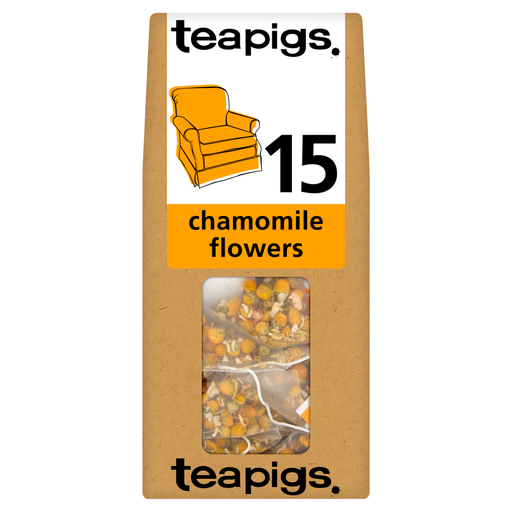 No image available
A chamomile option for guests who prefer a floral herbal cup. Follow the brewing directions on this pack rather than those for another Teapigs tea.
 No image available
A decaf option for guests who prefer a traditional cup to a herbal infusion. Twinings notes that decaffeinated tea can retain caffeine traces; check this pack’s caffeine information and brewing directions before serving.
No. Twinings explains that decaffeinated tea has had nearly all its caffeine removed, but traces can remain. Most herbal and fruit infusions are naturally caffeine-free, although blends with mate or guarana can contain caffeine; check the particular pack.
Offer a decaffeinated black tea alongside the herbal choices. Twinings says its All Day Decaf is made from decaffeinated black tea and can be served with milk; decaf is not necessarily caffeine-free.
Yes. The NHS advises pregnant people to avoid teas containing liquorice root and to have no more than four cups of herbal tea a day. Pukka After Dinner, for example, lists liquorice root, so keep the packaging available for guests to check.
Follow the instructions for the tea being served: Clipper specifies 2–5 minutes for its Organic Peppermint Infusion, Teapigs specifies at least 3 minutes for its Peppermint Tea, and Yogi Tea specifies 5–6 minutes for Bedtime. One timing will not necessarily suit every cup.