Who is each drink for?
The first choice is whether you want to avoid caffeine or keep the character of black tea while reducing it.
Evening drinkers avoiding caffeine
Start with an infusion whose exact pack says naturally caffeine-free. Check the full blend for caffeine-containing ingredients such as mate or guarana, particularly when the product name alone does not make its contents clear.
Black-tea drinkers cutting down
Decaffeinated black tea keeps the familiar tea-leaf style, including a cup you may prefer with milk. It is a different choice from a naturally caffeine-free infusion because traces of caffeine can remain.
Shoppers choosing winter spices
Ginger and chai-style infusions offer alternatives to plain black tea when spice flavour matters most. Compare the complete ingredient lists: a caffeine-free declaration does not answer questions about other botanicals, including liquorice root.
What should you check before buying?
Decide on caffeine status first, then compare flavour, ingredients and the preparation each drink requires.
| Priority |
What to check |
Your needs |
| Caffeine |
Look for a naturally caffeine-free declaration on the exact infusion. For decaf black tea, check the pack rather than assuming decaffeinated means caffeine-free. |
I want an evening drink without caffeine, so I would choose an explicitly caffeine-free infusion over decaf black tea. If I want black-tea flavour instead, residual caffeine matters to my decision. |
| Flavour |
Compare ginger or cinnamon-led spice blends with floral chamomile, peppermint and traditional black tea. Check whether a chai-style product contains tea leaves or is a herbal infusion. |
A ginger or spice flavour sounds right for a winter drink; on another occasion, I might prefer mint, chamomile or the familiar taste of black tea. |
| Ingredients |
Read the complete ingredient panel, including botanicals beyond the named flavour. Clipper lists liquorice root in its Lemon & Ginger infusion; NHS pregnancy guidance advises avoiding herbal teas containing liquorice root. |
If I need to avoid a particular ingredient, a caffeine-free label is only the start of the check. During pregnancy, I would check for liquorice root and follow NHS guidance for herbal tea. |
| Preparation |
Check the pack’s water and infusion directions, and whether the product uses bags or requires measuring and straining. Yogi Tea advises steeping its herbs and spices in 100°C water for at least five to seven minutes. |
A tea bag may fit my usual routine; I would allow more time and equipment if I choose an infusion that needs a longer steep or straining. |
Brand and product-line references
These examples show why the exact blend matters: caffeine declarations and ingredients vary between products, even within a brand.
Pukka
Pukka describes several herbal infusions, including Three Ginger, Three Chamomile and Wild Apple & Cinnamon, as naturally caffeine-free.
- Pukka lists ginger, turmeric and galangal in Three Ginger; its Wild Apple & Cinnamon description names apple, cinnamon and ginger.
- Those descriptions apply to the named blends, not every Pukka product. Check the ingredients of the flavour you select.
Twinings
Twinings offers a useful distinction between naturally caffeine-free infusions and decaffeinated versions of familiar tea styles.
- Twinings lists its English Breakfast Decaffeinated as black tea and says it is decaffeinated to 0.2%.
- That product is not the same choice as a naturally caffeine-free infusion; check the exact blend if caffeine avoidance is essential.
Clipper
Clipper describes its Lemon & Ginger and Chamomile infusions as naturally caffeine-free.
- Clipper lists its Chamomile infusion as 100% chamomile, offering a straightforward ingredient list to check.
- Its Lemon & Ginger infusion contains liquorice root, so shoppers who need to avoid it should not rely on the caffeine declaration alone.
teapigs
The teapigs Peppermint product is a mint option rather than a ginger or winter-spice blend.
- teapigs lists pure peppermint leaves as its ingredients and describes the product as naturally caffeine-free.
- Choose by the flavour you want: peppermint does not provide the ginger-and-spice profile of a chai-style infusion.
Yogi Tea
Yogi Tea’s Classic Chai is listed by Holland & Barrett as a naturally caffeine-free spice infusion.
- The retailer’s listing names cinnamon, cardamom and ginger, making it relevant to a spice-led drink without black tea.
- Check the delivered pack for its current ingredients and directions. Yogi Tea advises steeping herbs and spices in 100°C water for at least five to seven minutes.
Joybuy options for a winter drink
These options include spice and ginger-led herbal drinks for a winter cup, alongside decaffeinated black tea for shoppers who prefer a conventional tea style. Check each pack’s caffeine declaration and ingredients against your needs.
 No image available
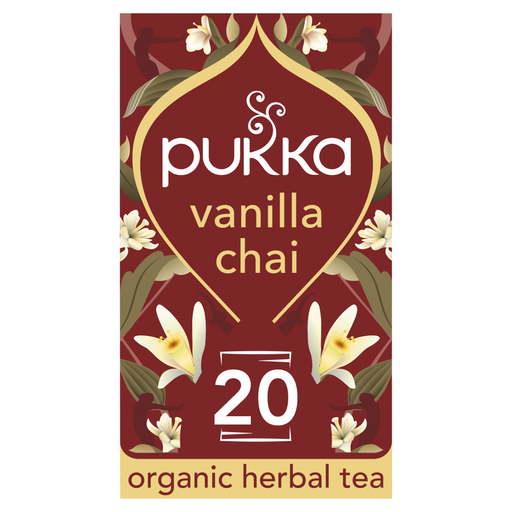
Pukka Vanilla Chai Herbal Tea, 20 Sachets, 40g
A chai-style option if you want a spice-led drink rather than black tea. Check the delivered pack’s caffeine declaration, brewing directions and ingredients, particularly if you need to avoid liquorice root.
View on Joybuy
 No image available
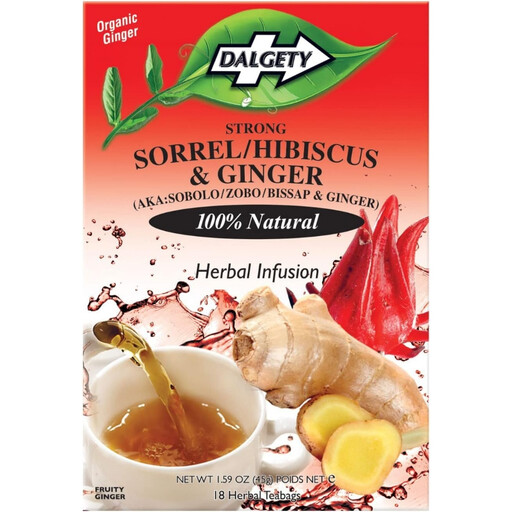
Dalgety Sorrel, Hibiscus & Ginger Tea, 45g
Consider this variant if you want sorrel and hibiscus alongside ginger rather than a chai-style spice blend. Its preparation involves measuring and straining; check the pack for the caffeine declaration and exact directions.
View on Joybuy
 No image available
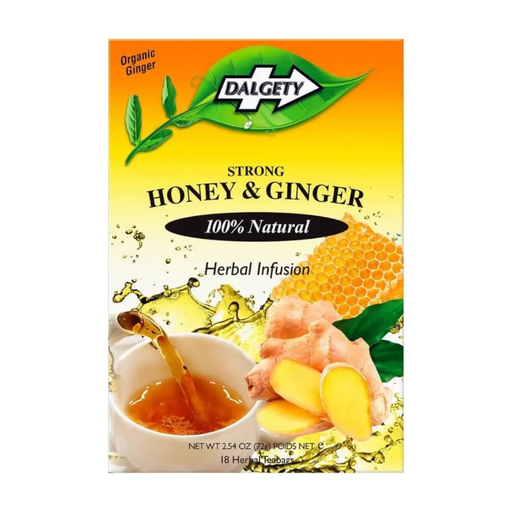
Dalgety Honey & Ginger Tea, 72g
A ginger option for shoppers who also want a honey-flavoured drink. Check the ingredients if you avoid honey or added sweeteners, and use the pack’s caffeine declaration and preparation directions.
View on Joybuy
 No image available
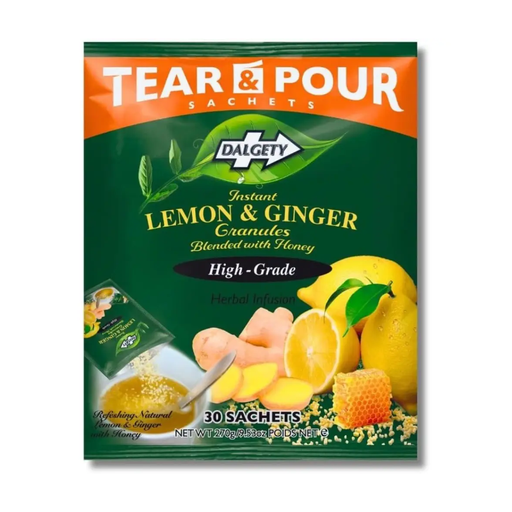
Dalgety Lemon & Ginger Tea Pouch, 270g
The pouch format suits shoppers choosing a lemon-and-ginger drink rather than individual tea bags. Check the pack for its caffeine declaration, portion size and steeping directions before preparing a cup.
View on Joybuy
 No image available
Tetley Decaffeinated Tea, 80 Bags, 250g
Choose this decaf tea route if a conventional black-tea cup matters more than choosing a naturally caffeine-free herbal infusion. Do not assume “decaffeinated” means no caffeine; check the pack’s caffeine wording if residual amounts affect your decision.
View on Joybuy
Frequently asked questions
Is decaf tea the same as caffeine-free herbal tea?
No. Twinings describes decaf tea as tea processed to remove nearly all caffeine, while it says the large majority of herbal and fruit infusions naturally contain none. Decaf can retain traces, and the ingredients of an individual infusion still need checking.
Which drink should I choose for winter flavour without caffeine?
Start with a product explicitly labelled naturally caffeine-free, then choose the flavour you prefer. Ginger and chai-style infusions offer spice-led options; chamomile and peppermint are different flavour choices. Check the exact pack rather than assuming every herbal blend has the same caffeine status.
Do ingredients still matter if an infusion is caffeine-free?
Yes. A caffeine declaration does not describe every botanical in the cup. For example, Clipper lists liquorice root in its naturally caffeine-free Lemon & Ginger infusion, so read the full ingredient panel if you need to avoid particular ingredients.
What should I check if I am pregnant?
The NHS advises avoiding herbal teas containing liquorice root and drinking no more than four cups of herbal tea a day during pregnancy. Check the ingredients of the exact blend and ask a midwife, pharmacist or clinician if you are unsure whether it is suitable for you.
How long should I brew a spice infusion?
Follow the directions for the product you buy. Yogi Tea advises steeping its herbs and spices in 100°C water for at least five to seven minutes; directions for a different blend or for decaf black tea may differ.


