Who might prefer each kind of tea
The choice depends on whether caffeine avoidance or a traditional tea flavour matters more during your snack break.
Snack-time drinkers avoiding caffeine
If you do not need the taste of black tea, look for an infusion explicitly labelled naturally caffeine-free. Twinings UK identifies mate and guarana as caffeine-containing exceptions among herbal and fruit blends, so check the exact ingredients too.
Traditional tea drinkers cutting down caffeine
Decaffeinated black tea keeps the familiar tea-leaf route, including the option of serving it with milk where the product suggests it. Twinings UK says decaffeination removes nearly all caffeine, though minor traces can remain.
Shoppers checking individual botanicals
If an ingredient matters because of pregnancy, regular medicines or another personal consideration, choose by the specific blend rather than the word “herbal”. The NHS advises avoiding liquorice-root teas during pregnancy, while Guy’s and St Thomas’ NHS Foundation Trust notes that herbal products can interact with medicines.
What to check before choosing
Naturally caffeine-free infusion
Choose it when: You want a herbal flavour rather than traditional tea; Pukka Three Chamomile and Clipper Organic Peppermint are examples their brands explicitly describe as naturally caffeine-free.
Bear in mind: The claim belongs to the individual blend, not every herbal product; Twinings UK and Yogi Tea identify mate and guarana as caffeine-containing ingredients.
Decaffeinated black or green tea
Choose it when: A conventional tea-leaf flavour matters more than avoiding caffeine as completely as practical.
Bear in mind: Twinings UK says decaf tea may retain minor caffeine traces, and Teapigs states that its Decaf English Breakfast naturally contains caffeine.
Once you have chosen a flavour direction, check the exact pack for its caffeine wording, ingredients and serving details.
| Priority | What to check | Your needs |
|---|
| Caffeine wording |
Look for an explicit naturally caffeine-free statement on an infusion. For tea made from tea leaves, distinguish a decaffeinated claim from a caffeine-free one; Twinings UK says minor traces can remain after decaffeination. |
I want a drink for the afternoon without relying on “decaf” to mean no caffeine. |
| Blend ingredients |
Read the ingredient list for mate or guarana, which Twinings UK identifies as caffeine-containing exceptions. Yogi Tea also identifies caffeine in varieties containing guarana, mate or dried kombucha drink. |
A herbal-sounding name is not enough for me; I want to know what is in this particular blend. |
| Flavour and serving |
Choose between the stated botanicals and a traditional tea-leaf product. Pukka describes Three Chamomile as chamomile tea, Clipper lists peppermint as the sole ingredient in its Organic Peppermint Infusion, and Tesco gives milk as an option for its Decaff Original black tea. |
For a floral or mint cup, I would look at the named infusion; if I want black tea with milk alongside a snack, I would check a decaffeinated black tea instead. |
| Botanical suitability |
Check for liquorice root during pregnancy: NHS guidance advises avoiding teas containing it and limiting herbal tea to no more than four cups a day. If you take medicines, ask a clinician or pharmacist about the specific blend; Guy’s and St Thomas’ NHS Foundation Trust notes possible interactions. |
I need the ingredients to fit my circumstances, not just a caffeine claim on the front of the pack. |
| Pack and preparation |
Check the number of bags and the preparation instructions for the exact product. For example, Tesco advises brewing its Decaff Original for four to five minutes; that timing should not be assumed for herbal infusions. |
A pack size and brewing method that fit my usual snack break matter alongside the flavour. |
Brand and product-line references
These examples show why the wording and ingredients of an individual tea matter more than the brand name alone.
Pukka
Pukka describes its Three Chamomile herbal tea as naturally caffeine-free.
- Three Chamomile gives shoppers a named chamomile option with an explicit caffeine-free claim from Pukka.
- Check the ingredients of other Pukka blends individually, particularly when a botanical such as liquorice root matters to you.
Twinings
Twinings UK distinguishes usually caffeine-free herbal and fruit infusions from decaffeinated tea made from tea leaves.
- Its range gives shoppers both infusion and conventional decaf-tea routes to consider.
- Twinings identifies mate and guarana as caffeine-containing exceptions in infusions and says minor caffeine traces can remain in decaf tea.
Clipper
Clipper describes its Organic Peppermint Infusion as naturally caffeine-free and lists peppermint (100%) as its ingredient.
- The named peppermint product offers a straightforward ingredient list for shoppers seeking a mint infusion.
- Do not apply that single-ingredient description to other Clipper blends without checking their labels.
Yogi Tea
Yogi Tea offers botanical blends whose caffeine status depends on the variety.
- Its product guidance identifies specific ingredients to check when choosing a blend.
- Yogi Tea says varieties containing guarana, mate or dried kombucha drink contain caffeine, so the brand name alone cannot settle the choice.
Teapigs
Teapigs’ Decaf English Breakfast is a decaffeinated black tea, rather than a naturally caffeine-free herbal infusion.
- It is a named conventional-tea option for shoppers who prefer black tea to herbal flavours.
- Teapigs says this product naturally contains caffeine, despite being decaffeinated.
Tesco
Tesco lists its Decaff Original black tea alongside a retail category that includes rooibos, fruit and herbal products.
- Tesco identifies Decaff Original as an 80-bag decaffeinated tea and provides preparation guidance for that product.
- Check the current pack when comparing products: a category listing does not establish that every blend has the same ingredients or caffeine status.
Joybuy herbal teas for an afternoon snack
These Joybuy options are herbal tea bags for shoppers considering an infusion with an afternoon snack. If you want the flavour of decaffeinated black tea instead, use the caffeine and ingredient checks above when choosing that different type of product.
 No image available
Twinings Lemon & Ginger Tea Bags, 20 Pack
Consider this lemon-and-ginger option if you prefer those flavours to a conventional black-tea cup. The pack contains 20 tea bags; check its current caffeine wording and full ingredient list against your needs.
View on Joybuy
 No image available
Twinings Pure Peppermint, 80 Pack
For a peppermint rather than traditional tea flavour, this is an 80-pack option. Check the current pack for its ingredient and caffeine statements before deciding whether it meets your requirements.
View on Joybuy
 No image available
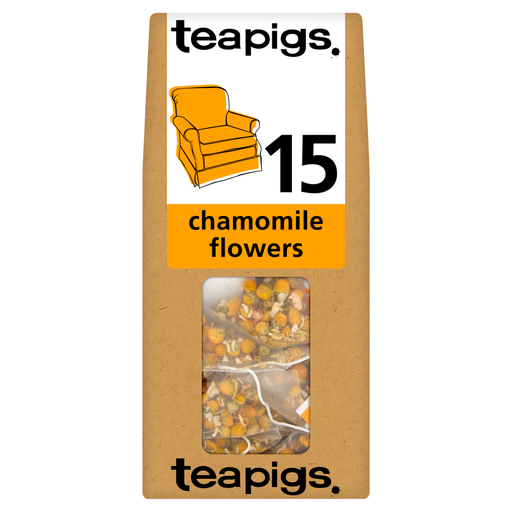
Teapigs Chamomile Flowers, 15 Tea Bags, 180g
This chamomile option is for shoppers considering a floral infusion instead of black tea. Its listed variant has 15 tea bags and is labelled 180g; check the pack ingredients and caffeine wording before purchase.
View on Joybuy
 No image available
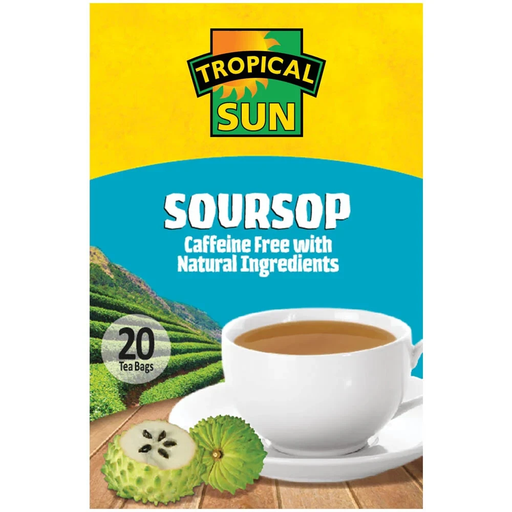
Tropical Sun Soursop Tea, 20 Tea Bags
If you want to consider a botanical flavour other than mint or chamomile, this soursop tea comes as 20 tea bags. Read the current ingredients, caffeine wording and preparation directions for this particular product.
View on Joybuy
 No image available
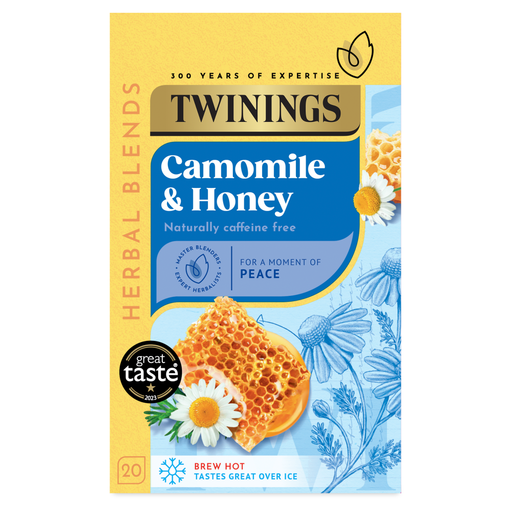
Twinings Camomile Honey & Vanilla, 20 Tea Bags
Consider this 20-bag camomile option if honey-and-vanilla flavour notes appeal more than plain chamomile. The name does not establish that honey is an ingredient: check the current ingredient list, as well as the caffeine wording.
View on Joybuy
Questions about herbal and decaf tea
Is herbal tea the same as decaf tea?
No. Twinings UK says most herbal and fruit infusions are naturally caffeine-free, while decaf tea is processed to remove nearly all caffeine from tea leaves and may retain minor traces. Check herbal blends for caffeine-containing exceptions such as mate and guarana.
What if I want an afternoon drink without a traditional tea flavour?
Look for a herbal infusion explicitly labelled naturally caffeine-free, then choose its ingredients by flavour. Pukka describes Three Chamomile as a chamomile option, while Clipper lists peppermint (100%) in its Organic Peppermint Infusion; check the exact pack you intend to buy.
What if I still want black tea with my snack?
Consider decaffeinated black tea if reduced caffeine is sufficient for you. Twinings UK says the decaffeination process can leave minor traces, so it is a different choice from an infusion explicitly labelled naturally caffeine-free.
Is every Yogi Tea blend caffeine-free?
No. Yogi Tea says its varieties containing guarana, mate or dried kombucha drink contain caffeine. Check the ingredients of the particular variety rather than deciding from the brand or the word “herbal”.
What should I check if I am pregnant or take medicines?
Check the specific blend’s ingredients. The NHS advises drinking no more than four cups of herbal tea a day during pregnancy and avoiding teas containing liquorice root. If you take regular medicines, ask a clinician or pharmacist about the blend; Guy’s and St Thomas’ NHS Foundation Trust notes that herbal products can interact with conventional medicines.


