Brand ranges to compare
These ranges illustrate different herbal and decaf choices; check the individual product rather than applying a range description to every tea a brand makes.
Pukka
Pukka offers a dedicated caffeine-free herbal range, including its Three Chamomile infusion.
- Pukka describes Three Chamomile as naturally caffeine-free.
- The claim does not cover every Pukka tea; check the individual pack and ingredients.
Twinings
Twinings distinguishes decaffeinated black and green tea from herbal and fruit infusions.
- The distinction helps shoppers choose between tea-leaf flavour and a botanical infusion.
- Decaf tea may retain traces of caffeine; Twinings also identifies mate and guarana as exceptions among herbal blends.
Clipper
Clipper’s herbal-infusion range includes both single-herb and blended products.
- Its pure peppermint infusion lists peppermint as its sole ingredient and is described as naturally caffeine-free.
- Its lemon-and-ginger infusion has a longer ingredient list, including liquorice root.
Teapigs
Teapigs offers herbal infusions alongside conventional and decaf teas.
- Teapigs describes its pure peppermint product as naturally caffeine-free and lists peppermint leaves as its ingredient.
- That product claim should not be applied to the brand’s black and green teas.
Joybuy tea options
These options include herbal infusions described as caffeine-free and a decaffeinated black tea for shoppers who prefer a tea-leaf cup.
 No image available
Twinings Pure Peppermint 80 Pack
A mint-led infusion for a snack break rather than a black-tea-style drink. The product information describes it as caffeine-free and lists peppermint as the sole ingredient; the pack contains 80 tea bags.
View on Joybuy
 No image available
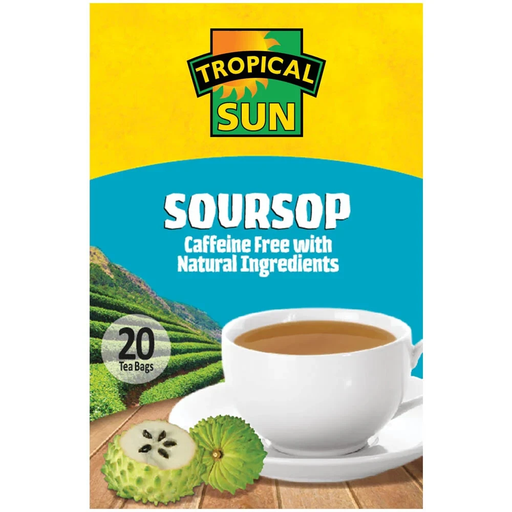
Tropical Sun Soursop Tea, 20 tea bags
An alternative to mint or tea-leaf flavours for a mid-morning cup. The product information describes a caffeine-free infusion made with soursop leaves and an earthy flavour; the pack contains 20 tea bags.
View on Joybuy
 No image available
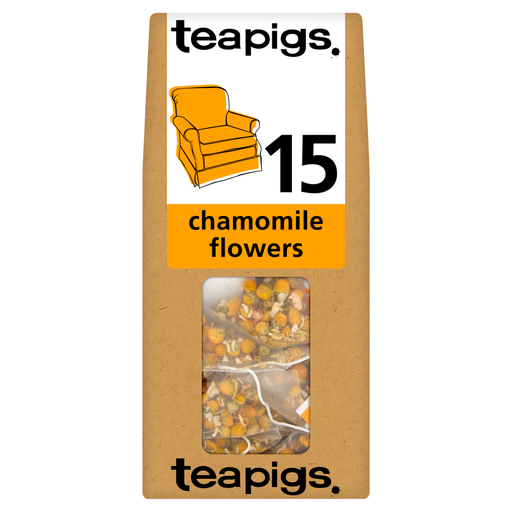
Teapigs Chamomile Flowers, 15 tea bags
A floral herbal option rather than a conventional tea flavour. The product information describes it as caffeine-free and lists chamomile flowers as its ingredient. Check the pack’s net quantity before ordering.
View on Joybuy
 No image available
Twinings Lemon & Ginger Tea Bags, 20 Pack
A citrus-and-ginger choice if you prefer a blend to a single-herb infusion. The product information describes it as naturally caffeine-free and lists ingredients including ginger, lemon peel, fennel and lemongrass. Check the full list if a particular botanical matters to you.
View on Joybuy
 No image available
Clipper Organic Fairtrade Decaf Everyday, 80 tea bags, 277g
Decaffeinated black tea for a more familiar tea-leaf cup with a mid-morning snack. It is a different choice from a naturally caffeine-free infusion: residual caffeine may remain. Check the current pack if you need to know the amount.
View on Joybuy
Questions about herbal and decaf tea
Is herbal tea always decaf?
No. Decaf describes tea leaves processed to remove caffeine, while most herbal and fruit infusions are naturally caffeine-free. Twinings identifies mate and guarana as exceptions, so check the caffeine statement and ingredients of the exact blend.
What should I choose if I want to avoid caffeine with my snack?
Start with an infusion explicitly labelled naturally caffeine-free, then check its ingredients. A single-herb product may be quicker to assess than a blend: Clipper lists only peppermint in its pure peppermint infusion, while its lemon-and-ginger infusion contains several botanicals.
Can decaf black tea replace my usual mid-morning cup?
Decaf black tea is the tea-leaf option if you want a familiar flavour while reducing caffeine. It may retain traces of caffeine, so choose a clearly labelled naturally caffeine-free infusion instead if avoiding caffeine is your priority.
Should I check herbal ingredients if I take medicines?
Yes. Guidance for community pharmacists notes that herbal products can interact with prescription and over-the-counter medicines. Ask a pharmacist or relevant clinician about the particular ingredients if you take medicines or need advice during pregnancy.
What should I check if ingredients or allergens matter to me?
Read the current pack’s full ingredients and allergen information rather than relying on the flavour name or a previous purchase. Multi-botanical blends can contain ingredients that are not apparent from the product name.


