Students changing their evening drinks
If you usually have tea or coffee late in the day, a labelled caffeine-free infusion offers a different hot-drink option. NHS Borders advises avoiding caffeine-containing drinks close to bedtime.


For an evening drink when avoiding caffeine is the priority, choose a herbal or fruit infusion whose pack says it is naturally caffeine-free, and check the ingredients: Twinings identifies mate and guarana as exceptions among herbal blends. Choose decaffeinated black or green tea if you prefer conventional tea flavour, but do not treat “decaf” as identical to a naturally caffeine-free infusion.
If you usually have tea or coffee late in the day, a labelled caffeine-free infusion offers a different hot-drink option. NHS Borders advises avoiding caffeine-containing drinks close to bedtime.
Individually portioned bags and a short ingredient list can make a cupboard staple straightforward to choose and prepare. Check the brewing directions on the particular pack.
If you are pregnant, take regular medicines or have a relevant health condition, read the full ingredient list and seek appropriate professional advice rather than assuming every herbal blend is suitable.
Decide whether avoiding caffeine or keeping the flavour of conventional tea matters more, then compare ingredients, flavour and preparation for the drink you will actually make.
| Priority | What to check | Your needs |
|---|---|---|
| Caffeine | Look for an explicit naturally caffeine-free statement and read the ingredients. Twinings identifies mate and guarana as exceptions among herbal and fruit blends; decaf black or green tea is a different choice. | I want an evening hot drink without choosing a blend that contains caffeine by mistake. |
| Flavour | Compare a single-herb infusion, such as peppermint, with a blend. If conventional black or green tea flavour matters more, consider decaf tea instead. | A drink I enjoy regularly matters more to me than a blend’s name or theme. |
| Preparation | Check the pack’s water and brewing instructions. Clipper specifies 2–5 minutes for its Organic Peppermint Infusion; Teapigs specifies at least 3 minutes for its Honeybush & Rooibos Tea. | In a shared kitchen, I want preparation that fits the time and equipment I have. |
| Ingredients | Read the complete list, particularly for multi-herb blends. Teapigs identifies liquorice root in its Liquorice & Peppermint Tea and gives specific advice for people with hypertension. | If an ingredient could matter for my circumstances, I want to check the exact blend before making it a regular drink. |
Decaffeinated black or green tea is not the same type of drink as a naturally caffeine-free herbal infusion.
If avoiding caffeine is your priority, choose a pack explicitly labelled naturally caffeine-free and check its ingredients.
Twinings identifies mate and guarana as exceptions among herbal and fruit infusions.
Read the named ingredients rather than relying on “herbal” alone.
A caffeine-free label does not establish whether a blend’s other ingredients suit everyone. Teapigs advises people with hypertension to limit its Liquorice & Peppermint Tea to one cup a day.
If you have hypertension, are pregnant or take regular medicines, check the exact ingredients and seek personalised advice from a pharmacist or clinician where needed.
A drink that does not suit your taste or preparation routine may be a poor cupboard choice, whatever its name suggests.
Start with a flavour you expect to enjoy, check the pack size and follow that product’s brewing directions.
These examples show differences between particular infusions, decaf tea and blended ranges; check the individual pack rather than assuming a statement applies to every product from a brand.
Clipper Organic Peppermint Infusion is a single-herb option sold in a 20-bag pack.
Pukka offers herbal blends for shoppers who prefer combinations of flavours to a single-herb infusion.
Twinings distinguishes decaffeinated black and green tea from herbal and fruit infusions.
Teapigs has peppermint and honeybush-and-rooibos infusions for shoppers comparing distinct botanical flavours.
Yogi Tea presents an organic range that includes herbal and spice-led blends.
Tesco is a grocery-shopping route for herbal-tea products from other brands.
These are herbal infusions to consider for a student cupboard if you prefer that route over decaffeinated black or green tea. Compare each pack’s caffeine statement, ingredients and format before choosing.
 No image available
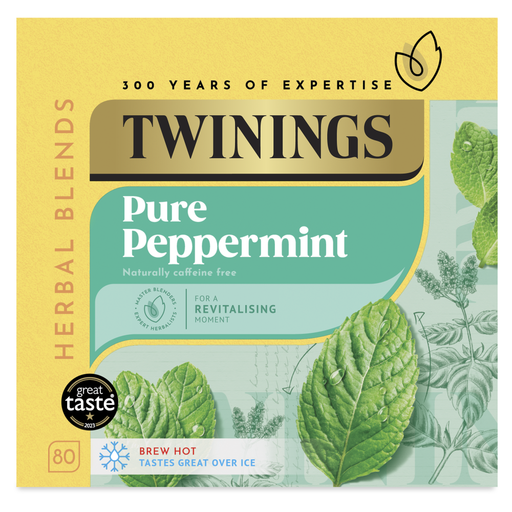
For a mint-led hot drink in a shared kitchen, this is an 80-pack. Check the pack’s caffeine statement, ingredients and brewing directions before choosing it for an evening routine.
 No image available
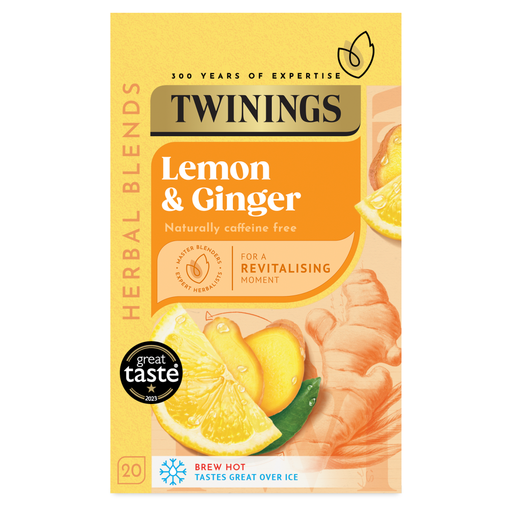
A 20-pack for someone considering a lemon-and-ginger blend rather than plain mint. Check the full ingredient list if particular herbs matter to you.
 No image available
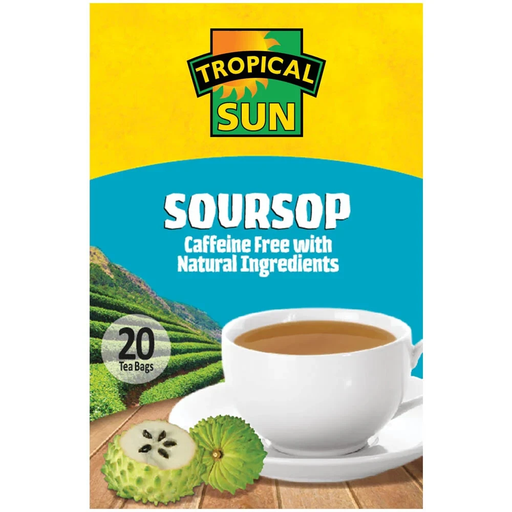
This 20-bag option offers soursop rather than a mint or ginger flavour. Check its caffeine statement and preparation directions if it is intended as an evening drink.
 No image available
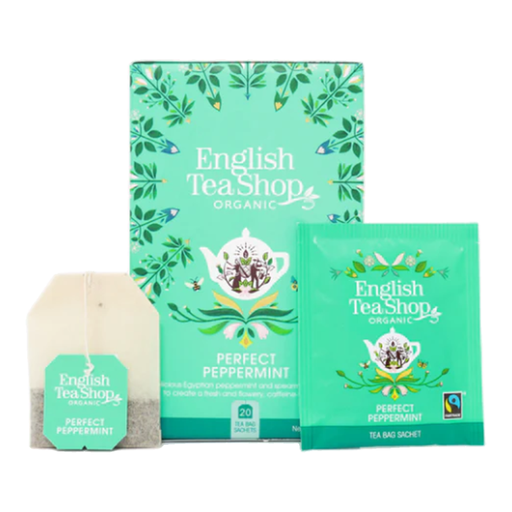
A 20g mint option for shoppers comparing herbal flavours. Check the pack for its bag count, ingredients and brewing directions before comparing it with packs sold by the bag.
 No image available
A 20-sachet, 32g option if you prefer a mint blend to a single-herb peppermint infusion. Confirm that the pack is Three Mint rather than ginger tea before buying, and check its ingredients and brewing directions.
No. Decaffeinated black or green tea is made from tea leaves that have undergone caffeine removal, whereas many herbal and fruit infusions are naturally caffeine-free. Twinings identifies mate and guarana as exceptions among herbal blends, so check the exact pack.
A bagged infusion with a short ingredient list and clear brewing instructions is straightforward to compare and prepare. For example, Clipper labels its Organic Peppermint Infusion naturally caffeine-free and gives a 2–5 minute infusion time; choose a flavour you expect to use regularly.
Yes. Teapigs says its Liquorice & Peppermint Tea contains liquorice root and advises people with hypertension to limit that particular tea to one cup a day. Check the exact blend and seek personalised advice from a pharmacist or clinician if you have hypertension or take medicines.
Follow the directions for the product you buy rather than applying one time to every infusion. Clipper specifies 2–5 minutes for its Organic Peppermint Infusion, while Teapigs specifies at least 3 minutes in boiling water for its Honeybush & Rooibos Tea.