Who is each option for?
The useful distinction is whether you want to avoid caffeine, reduce it while keeping a traditional tea flavour, or find a particular herbal flavour for your break.
Afternoon drinkers avoiding caffeine
Start with an infusion explicitly labelled naturally caffeine-free, then read the full ingredient list. The UK Tea & Infusions Association notes that some herbal and fruit infusions contain caffeine-bearing ingredients such as yerba mate, guarana or cola nut.
Traditional-tea drinkers reducing caffeine
Decaffeinated black or green tea keeps you in the conventional tea category rather than switching to a mint, fruit or floral infusion. Twinings explains that the decaffeination process can leave minor caffeine traces.
Shoppers choosing a mint infusion
Compare pure peppermint with blends containing several kinds of mint. For example, Clipper lists 100% peppermint in its Organic Peppermint Infusion, while Pukka describes Three Mint as a blend of peppermint, spearmint and fieldmint.
What should you check before choosing?
Decide on caffeine status and tea style first. Then compare the exact ingredients, flavour and pack directions of the products you are considering.
Naturally caffeine-free infusion
Choose it when: You want an afternoon drink without relying on decaffeination and are happy with a herbal or fruit flavour.
Bear in mind: It will not have a conventional black-tea flavour, and the word ‘herbal’ alone does not establish caffeine status.
Decaffeinated black or green tea
Choose it when: You prefer the character of traditional tea but want to reduce caffeine in a later cup.
Bear in mind: Twinings explains that decaffeinated tea can retain minor caffeine traces.
| Priority | What to check | Your needs |
|---|
| Caffeine status |
Look for an explicit caffeine-free or decaffeinated label. Check blends for tea leaves, yerba mate, guarana and cola nut; the UK Tea & Infusions Association identifies the last three as potential caffeine sources in infusions. |
I want to avoid caffeine, rather than just reduce it, so a clearly labelled caffeine-free infusion is my starting point. |
| Tea character |
Distinguish decaffeinated black or green tea from herbal and fruit infusions. Twinings says decaf tea may retain minor caffeine traces. |
A familiar black- or green-tea cup matters more to me than avoiding every possible trace of caffeine. |
| Flavour and ingredients |
Compare single-ingredient peppermint with multi-mint, ginger, fruit or floral blends. Read the full list rather than inferring ingredients from the flavour name. |
For a straightforward mint cup, I would compare pure peppermint options; for a different afternoon flavour, I would look at the specific blend. |
| Personal ingredient checks |
Check for liquorice root during pregnancy. NHS guidance advises avoiding teas containing it and drinking no more than four cups of herbal tea a day during pregnancy. |
If I am pregnant, I need to check the whole blend against NHS guidance, even when the pack says caffeine-free. |
| Preparation and pack |
Check the bag count and the directions on the exact pack. For example, Twinings specifies 200 ml of freshly boiled water and three minutes, or longer for a stronger cup, for its 20-bag Pure Peppermint product. |
At a desk or in a shared kitchen, I want a pack size that suits where I make tea and directions I can follow there. |
Brand ranges to compare
These brand examples illustrate different infusion and decaf-tea choices; check the label of the particular product rather than applying one product’s caffeine status to an entire range.
Pukka
Pukka lists caffeine-free herbal infusions, including its Three Mint blend.
- Pukka describes Three Mint as containing peppermint, spearmint and fieldmint; its product page shows a 20-bag format.
- Check each Pukka blend separately: a claim about Three Mint does not establish the ingredients or caffeine status of another product.
Twinings
Twinings offers both decaffeinated conventional teas and herbal infusions such as Pure Peppermint.
- Twinings labels Pure Peppermint naturally caffeine-free and gives brewing directions for its 20-bag product.
- Its decaffeinated teas are a different choice: Twinings says minor caffeine traces may remain.
Clipper
Clipper provides a clear example of the difference between a peppermint infusion and decaffeinated black tea.
- Clipper lists 100% peppermint and a naturally caffeine-free label for Organic Peppermint Infusion.
- Organic Everyday Decaf is decaffeinated black tea, not a peppermint infusion; ‘organic’ does not itself describe caffeine status.
Teapigs
Teapigs lists a pure-peppermint infusion in its tea-temple format.
- Teapigs describes its Peppermint Tea as naturally caffeine-free, made with pure peppermint leaves, and brewed for at least three minutes.
- Those ingredients and directions describe the Peppermint Tea product, not every tea in the Teapigs range.
Joybuy options for an afternoon cup
These options span herbal infusions with citrus, soursop, peppermint or chamomile flavours, plus a decaffeinated black tea for a more traditional cup. Check the exact pack’s ingredients and caffeine statement when making your choice.
 No image available
Twinings Lemon & Ginger Tea Bags, 20 pack
Consider this herbal flavour if you want citrus and ginger rather than mint or traditional black tea. The pack contains 20 tea bags; check its ingredient list and caffeine statement for your requirements.
View on Joybuy
 No image available
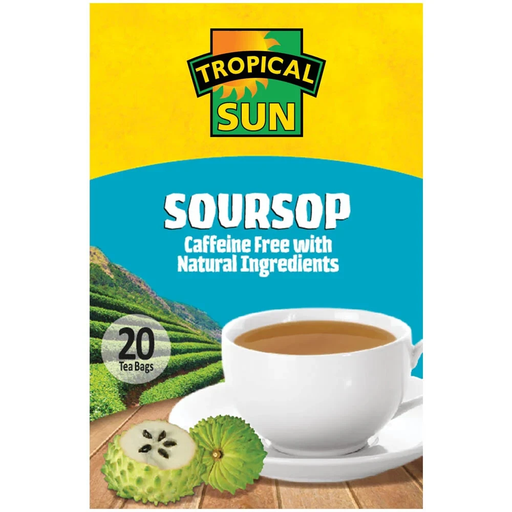
Tropical Sun Soursop Tea, 20 bags
A soursop option for an afternoon infusion when you want a flavour other than mint. The pack contains 20 tea bags; check the directions on the pack if you plan to prepare it hot or cold.
View on Joybuy
 No image available
Twinings Pure Peppermint, 80 pack
Consider this larger pack if peppermint is your regular afternoon choice. It contains 80 tea bags; follow the directions on this pack rather than assuming those for another pack size are identical.
View on Joybuy
 No image available
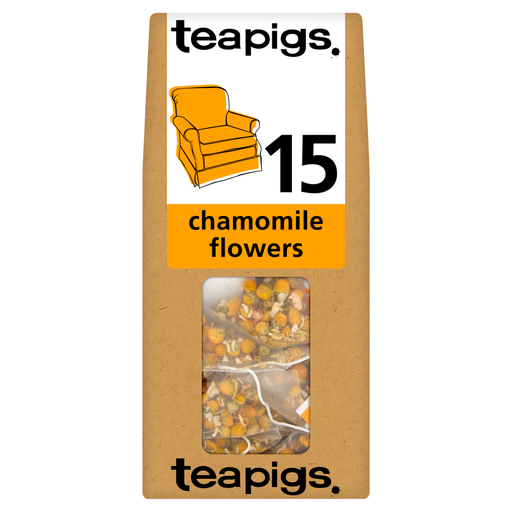
Teapigs Chamomile Flowers, 15 bags, 180 g
A floral alternative to a mint-led afternoon infusion. This variant is identified as 15 tea bags and 180 g; read its pack instructions for preparation and its ingredient list if you have particular restrictions.
View on Joybuy
 No image available
Clipper Organic Fairtrade Decaf Everyday, 80 bags, 277 g
Choose this decaffeinated black-tea style if you prefer conventional tea flavour to a herbal infusion. The pack is identified as 80 tea bags and 277 g. Twinings explains that decaffeinated tea can retain minor caffeine traces, so decaf is not the same claim as caffeine-free.
View on Joybuy
Frequently asked questions
Does decaf tea contain no caffeine at all?
Not necessarily: Twinings says decaffeination removes nearly all caffeine but can leave minor traces. If avoiding caffeine is the aim, look for an infusion explicitly labelled naturally caffeine-free and check its ingredients.
Are all herbal infusions caffeine-free?
No. The UK Tea & Infusions Association says many are naturally caffeine-free, but infusions containing yerba mate, guarana or cola nut can contain caffeine. Check the exact blend rather than relying on its category name.
How long should I brew a peppermint infusion?
Follow the directions for the exact product. Twinings specifies 200 ml of freshly boiled water and three minutes, or longer for a stronger cup, for its 20-bag Pure Peppermint product; Teapigs specifies at least three minutes for its Peppermint Tea.
Is any caffeine-free herbal tea suitable during pregnancy?
A caffeine-free label is not enough to answer that question. The NHS advises avoiding teas containing liquorice root and drinking no more than four cups of herbal tea a day during pregnancy; check each blend’s ingredients and seek individual advice from your midwife or clinician when needed.
What if I take prescribed medicines and want a herbal product for a symptom?
Discuss that use with the healthcare professional who prescribes your medicine. Guy’s and St Thomas’ NHS Foundation Trust warns that herbal products may interact with prescribed medicines; a tea’s flavour or marketing description should not be treated as evidence that it will treat a symptom.


