Shoppers avoiding caffeine
Look for an infusion explicitly labelled caffeine free, then read the ingredients. Twinings UK notes that herbal blends containing mate or guarana are exceptions to the usual caffeine-free pattern.


For a first food shop, choose a herbal infusion explicitly labelled caffeine free if avoiding caffeine matters most, and check its ingredients: Twinings UK identifies mate and guarana as exceptions among herbal blends. Choose decaf black tea if you want a more familiar tea-leaf cup, but do not treat “decaf” as a caffeine-free claim. A smaller pack lets you try a flavour before buying more.
Look for an infusion explicitly labelled caffeine free, then read the ingredients. Twinings UK notes that herbal blends containing mate or guarana are exceptions to the usual caffeine-free pattern.
Decaffeinated black tea keeps you in the tea-leaf category rather than switching to chamomile or mint. If avoiding caffeine altogether is the aim, check beyond the word “decaf”.
The NHS advises drinking no more than four cups of herbal tea a day during pregnancy and avoiding teas containing liquorice root. Check the blend’s ingredients rather than relying on its name or intended time of day.
Choose it when: Avoiding caffeine matters more than recreating the taste of black tea.
Trade-off: Chamomile and mint have distinct flavours, and a herbal name alone does not establish that every blend is caffeine free.
Choose it when: You want to stay with a familiar black-tea style while reducing caffeine.
Trade-off: Decaffeinated tea should not be treated as a naturally caffeine-free infusion.
| Priority | What to check | Your needs |
|---|---|---|
| Caffeine | Look for an explicit caffeine-free label and read the full ingredients. Twinings UK identifies mate and guarana as caffeine-containing exceptions in herbal blends. | If I want to avoid caffeine, I need more than the word “herbal” or “decaf” on the front of the pack. |
| Usual flavour | Compare chamomile’s floral character, a mint-led infusion and decaf black tea. Check the named blend rather than assuming these will taste alike. | I still want a tea-leaf cup, perhaps with milk, or I would rather try a separate herbal flavour. |
| Trial quantity | Check the bag count or pack weight. Pukka Herbs UK lists Three Chamomile in a 20-bag pack, while teapigs UK lists its peppermint tea in a 15-temple pack. | For a first shop, I would rather try one flavour before stocking up on several boxes. |
| Pregnancy | Check for liquorice root and consider how many cups of herbal tea you drink. The NHS advises no more than four cups a day during pregnancy and avoiding liquorice-root teas. | If I am pregnant, the particular ingredients and how often I drink the blend matter alongside its caffeine label. |
Decaf tea and an infusion labelled naturally caffeine free describe different product types. The distinction matters when avoiding caffeine, rather than simply choosing a black-tea alternative, is your priority.
Choose by your caffeine requirement first; if considering an infusion, check its caffeine statement and ingredients.
Twinings UK identifies mate and guarana as caffeine-containing exceptions among herbal infusions.
Read the full ingredient list, particularly on blends that include several botanicals.
Chamomile, peppermint and decaf black tea answer different taste preferences; liking one does not establish that you will use the others.
Start with one smaller herbal pack, adding decaf black tea if a familiar tea-leaf cup is also important.
The NHS advises avoiding teas containing liquorice root during pregnancy and drinking no more than four cups of herbal tea a day.
Check the ingredients of the particular blend and follow the NHS guidance rather than choosing by a calming or bedtime-themed name.
Pukka Herbs UK lists herbal blends including Three Chamomile, which it labels naturally caffeine free.
Twinings UK distinguishes herbal infusions from decaffeinated tea and lists Everyday Decaffeinated in an 80-bag pack.
Clipper Tea Shop describes Everyday Decaf as decaffeinated organically grown black tea in a 40-bag pack, with tea traded in compliance with Fairtrade standards.
teapigs UK lists peppermint tea made with pure peppermint leaves and labels it naturally caffeine free.
Tesco Groceries lists decaf black and green tea alongside fruit, herbal and rooibos options in its tea category.
These options cover herbal flavours to consider when shopping for a caffeine-free infusion, plus a decaf tea for shoppers who prefer a familiar tea-leaf style. Check each herbal product’s caffeine statement and ingredients before choosing it for caffeine avoidance.
 No image available
A 20-bag lemon-and-ginger option if you would like to try a flavoured infusion. Check the pack’s caffeine statement and ingredients if avoiding caffeine is your priority.
 No image available
The 20-bag format offers another herbal flavour to try. Check the ingredients and caffeine statement before selecting it as a caffeine-free drink.
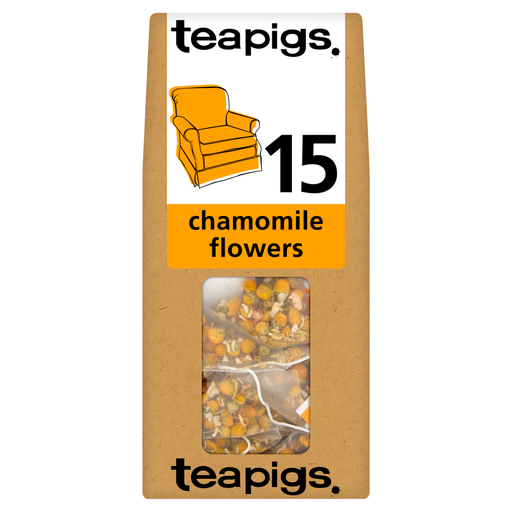 No image available
A 15-bag chamomile option for trying a floral infusion before buying a larger quantity. Check the product’s caffeine label and ingredients when making the final choice.
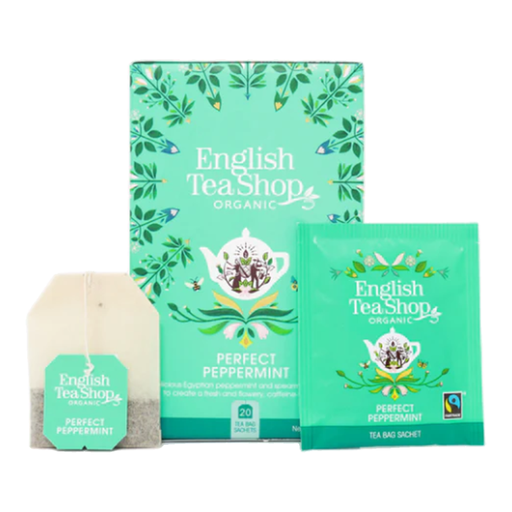 No image available
A mint-led 20g option rather than a black-tea-style cup. If the number of servings matters for your first shop, check the pack details alongside its ingredients and caffeine statement.
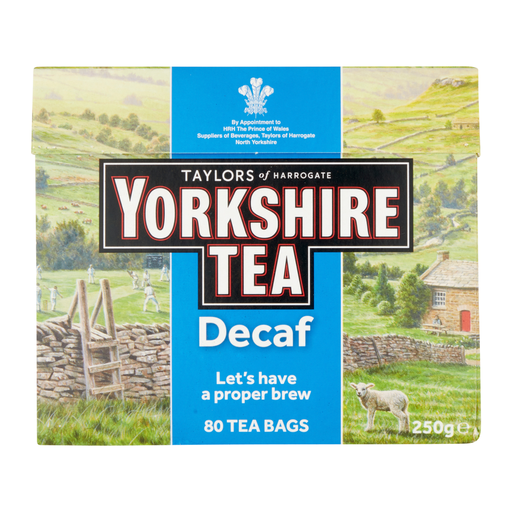 No image available
A 250g decaf option if you would rather keep a familiar tea-leaf style than switch to a floral or mint infusion. Do not treat “decaf” as a caffeine-free claim; check the pack format if serving count matters.
No. Twinings UK says most herbal and fruit infusions naturally contain no caffeine, but identifies mate and guarana as exceptions. Decaf tea is a separate tea-leaf option, so check its label rather than assuming it is caffeine free.
Choose an infusion explicitly labelled naturally caffeine free and check its ingredients. Pukka Herbs UK labels Three Chamomile naturally caffeine free, while teapigs UK gives the same label to its peppermint tea.
Look at decaffeinated black tea rather than choosing chamomile or peppermint as a flavour substitute. Twinings UK lists Everyday Decaffeinated, and Clipper Tea Shop lists Everyday Decaf as decaffeinated black tea; neither product type should be treated as a naturally caffeine-free infusion.
The NHS advises drinking no more than four cups of herbal tea a day during pregnancy and avoiding teas containing liquorice root. Read the ingredients of the specific blend before buying it.