Choose a herbal or fruit infusion labelled naturally caffeine-free if avoiding caffeine matters more than a black-tea taste, but check for ingredients such as mate or guarana. Choose decaf black tea if you prefer a conventional cup, allowing for possible traces of caffeine; if breastfeeding, the NHS advises trying not to exceed 300 mg of caffeine a day from all sources. If pregnant, follow the NHS’s separate advice to avoid liquorice-root tea and have no more than four cups of herbal tea a day.
Who might choose each type of tea?
Breastfeeding parents keeping track of caffeine
A labelled naturally caffeine-free infusion offers a different route from decaf tea, which can retain caffeine. The NHS advises trying not to exceed 300 mg of caffeine a day while breastfeeding, counting sources across food and drink rather than considering tea alone.
Parents who prefer a traditional cup of tea
Decaf black tea keeps the black-tea option for those who want it with milk, whereas chamomile, mint and fruit infusions offer different flavours. Decaf does not necessarily mean caffeine-free: Twinings declares its English Breakfast Decaffeinated tea to contain 0.02% caffeine after decaffeination.
Pregnant parents and people taking medicines
Check the full botanical list as well as the caffeine label. The NHS advises avoiding liquorice-root tea during pregnancy. If a product is presented as a herbal medicine, ask a pharmacist or another healthcare professional about use alongside medicines: the Medicines and Healthcare products Regulatory Agency warns that herbal medicinal products can interact with conventional medicines.
What should you check before buying?
Start with the kind of drink you want, then check its caffeine declaration and full ingredients. Pregnancy and breastfeeding call for different considerations, so apply the guidance that matches your situation.
Naturally caffeine-free infusion
Choose it when: Avoiding caffeine matters more than reproducing the taste of black tea.
Bear in mind: A caffeine-free label does not tell you which botanicals a blend contains.
Decaf black tea
Choose it when: You want a conventional black-tea cup while reducing caffeine.
Bear in mind: Decaffeination can leave traces of caffeine, so include the drink when keeping track of your intake.
| Priority | What to check | Your needs |
|---|
| Caffeine |
Look for a naturally caffeine-free declaration on an infusion and check for mate or guarana; Twinings identifies these as exceptions among herbal and fruit blends. For black tea, check whether it is decaffeinated rather than assuming it is caffeine-free. |
I want to keep track of caffeine while breastfeeding, including what I get from drinks and food throughout the day. |
| Ingredients |
Read the complete botanical list, particularly on multi-herb blends. A one-herb declaration is easier to review than a long list; during pregnancy, check for liquorice root in line with NHS advice. |
Knowing exactly which herbs are in the cup matters to me, especially if I am pregnant or have a question about an ingredient. |
| Tea routine |
Choose between black tea and infusion flavours such as chamomile, mint or fruit. Check the bag count and preparation directions if those details affect your routine; do not treat an evening or remedy-style name as evidence of an effect. |
I would rather keep a familiar tea-and-milk cup, or choose an infusion for its flavour—not because its name promises better sleep or another health outcome. |
| Medicines and claims |
Distinguish an ordinary drink from a product presented as a herbal medicine. The Medicines and Healthcare products Regulatory Agency warns that herbal medicinal products can interact with conventional medicines; ask a pharmacist about a relevant product and medicine. |
If I take medicines, I want to check an unfamiliar herbal product rather than assuming that ‘natural’ means suitable for me. |
Common mistakes when choosing tea
-
Treating decaf and naturally caffeine-free as identical
Decaffeinated black tea can retain caffeine. Twinings, for example, declares 0.02% caffeine after decaffeination in its English Breakfast Decaffeinated tea; that figure is not a caffeine amount per brewed cup.
If avoiding caffeine is the priority, look for an infusion labelled naturally caffeine-free and check its ingredients. If you prefer decaf black tea, include it when considering your overall caffeine intake.
-
Choosing a blend by its front-of-pack name alone
‘Caffeine-free’ does not identify every herb in a blend. Tesco’s ingredient listing for Pukka After Dinner, for instance, includes liquorice root as well as aniseed, fennel, cardamom, coriander and turmeric.
Read the complete list before buying. The NHS advises avoiding liquorice-root tea during pregnancy; for an individual concern about an ingredient, ask a healthcare professional.
-
Expecting a remedy-style blend to treat a problem
A tea’s name is not evidence that it will improve sleep, digestion or milk supply. The Medicines and Healthcare products Regulatory Agency also warns that herbal medicinal products can cause adverse reactions and interact with medicines; this warning should not be read as saying every ordinary infusion is a medicine.
Choose a drink for its declared ingredients and flavour. Seek clinical advice for symptoms or a treatment question rather than relying on a tea.
-
Applying pregnancy advice unchanged after birth
The NHS advice to avoid liquorice-root tea and have no more than four cups of herbal tea a day applies to pregnancy. Its breastfeeding guidance instead gives a caffeine limit to consider across food and drink.
Check which guidance applies to your current circumstances, particularly if you are pregnant and breastfeeding.
Herbal and decaf tea brand ranges
Brand ranges offer different flavour and ingredient routes; check the individual product label rather than assuming that every tea from one brand has the same formulation.
Clipper
A reference point for a clearly described, one-herb chamomile infusion.
- Clipper lists its Organic Chamomile Infusion as 100% chamomile and naturally caffeine-free.
- That ingredient declaration does not establish individual suitability during pregnancy, breastfeeding or medicine use.
Pukka
A herbal-tea range with both chamomile-focused products and blends containing several botanicals.
- Pukka describes Three Chamomile as naturally caffeine-free.
- Ingredients vary by product: Tesco’s listing for Pukka After Dinner includes liquorice root, which the NHS advises avoiding in tea during pregnancy.
Twinings
A brand reference for comparing herbal and fruit infusions with decaffeinated black tea.
- Twinings says most herbal and fruit infusions naturally contain no caffeine, while identifying mate and guarana as exceptions.
- Its English Breakfast Decaffeinated tea is declared to contain 0.02% caffeine after decaffeination, so it should not be described as caffeine-free.
Teapigs
A range to explore for herbal and decaf tea formats.
- Teapigs lists herbal and decaf teas in its collection.
- Check the ingredients and caffeine declaration on the particular product you choose; the range label alone does not describe every tea in it.
Joybuy herbal infusions and decaf tea
These options cover chamomile, peppermint and lemon-and-ginger infusions alongside decaffeinated teas for a more familiar tea routine. Check each product’s caffeine declaration and ingredients against your needs before buying.
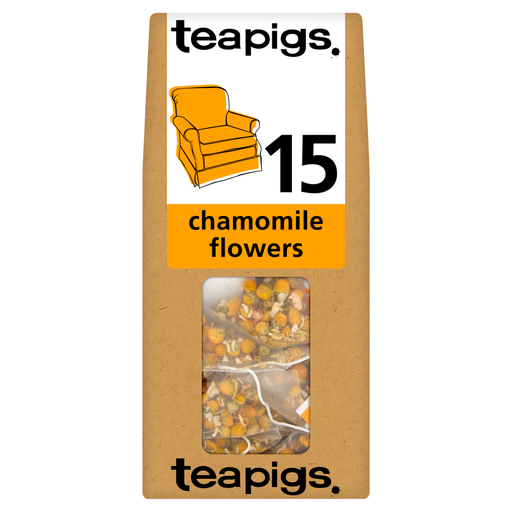 Image unavailable
Teapigs Chamomile Flowers, 15 Tea Bags, 180g
A chamomile-flavoured infusion option when you want a change from black tea; the pack is labelled as 15 tea bags and 180g. Check its caffeine and ingredient declarations, and ask a healthcare professional about individual suitability if you have a relevant concern.
View on Joybuy
 Image unavailable
Twinings Pure Peppermint, 80 Pack
A peppermint infusion for someone who prefers mint to a conventional black-tea flavour. The title specifies an 80-pack; check the pack’s ingredients and caffeine declaration before choosing it for a particular dietary need.
View on Joybuy
 Image unavailable
Twinings Lemon & Ginger, 20 Tea Bags
A lemon-and-ginger flavour route in a 20-bag pack rather than a black-tea cup. Check the complete ingredient list if particular botanicals matter to you, as well as the caffeine declaration if you are avoiding caffeine.
View on Joybuy
 Image unavailable
Clipper Organic Fairtrade Decaf Everyday, 80 Tea Bags, 277g
A decaf tea option for keeping a conventional tea routine; the title specifies 80 bags and 277g. Decaf does not necessarily mean caffeine-free, so check product-specific caffeine information if you need to account for this cup in your daily intake.
View on Joybuy
 Image unavailable
Tetley 80 Decaffeinated Tea Bags, 250g
Another decaffeinated tea-bag option for a familiar tea routine, with 80 bags and 250g stated in the title. Check the tea type and product-specific caffeine information on the pack if either detail affects your choice.
View on Joybuy
Questions about caffeine and ingredients
Does decaf tea mean caffeine-free?
No. Decaf tea can retain caffeine: Twinings declares its English Breakfast Decaffeinated tea to contain 0.02% caffeine after decaffeination. If avoiding caffeine is your priority, look for an infusion labelled naturally caffeine-free and check its ingredients.
Are all herbal and fruit infusions caffeine-free?
No. Twinings says most naturally contain no caffeine but identifies mate and guarana as exceptions. Read both the caffeine declaration and ingredient list rather than relying on ‘herbal’ or ‘fruit’ alone.
How should I account for caffeine while breastfeeding?
The NHS advises trying not to exceed 300 mg of caffeine a day while breastfeeding. Consider caffeine across your food and drinks, rather than treating a switch to decaf tea as the only change that matters.
Does the advice change during pregnancy?
Yes. The NHS advises avoiding teas containing liquorice root and having no more than four cups of herbal tea a day during pregnancy. Those are pregnancy-specific points, not a general four-cup limit for breastfeeding.
Does ‘natural’ tell me whether a herbal product is suitable alongside medicines?
No. The Medicines and Healthcare products Regulatory Agency warns that herbal medicinal products can cause adverse reactions and interact with conventional medicines. That does not mean every ordinary retail infusion is a medicine; if a particular herbal product raises a medicine-related concern, ask a pharmacist or another healthcare professional.


