Travellers avoiding caffeine
Look for an explicit caffeine-free label and read the ingredients rather than assuming every herbal blend is caffeine-free. Twinings identifies mate and guarana as ingredients that naturally contain caffeine.


Choose an infusion explicitly labelled caffeine-free if avoiding caffeine is the priority; check the ingredients, as Twinings notes that blends containing mate or guarana are exceptions. Choose decaffeinated conventional tea if you prefer a tea-leaf flavour and accept that traces of caffeine can remain. Individually wrapped bags are worth considering when you plan to carry a portion through an airport, but confirm that your intended venue will provide hot water for your own tea bag.
Look for an explicit caffeine-free label and read the ingredients rather than assuming every herbal blend is caffeine-free. Twinings identifies mate and guarana as ingredients that naturally contain caffeine.
Decaffeinated black tea offers a tea-leaf option with food, but it is not the same as a caffeine-free infusion. An individually wrapped bag can be easier to keep protected in hand luggage.
A short ingredient list makes a blend easier to assess. Pregnant travellers should check for liquorice root: NHS pregnancy guidance advises avoiding teas containing it.
Choose it when: avoiding caffeine matters more than having a conventional tea flavour, and the particular blend is labelled caffeine-free.
Bear in mind: herbal is not a caffeine guarantee; Twinings identifies mate and guarana as exceptions.
Choose it when: you want a familiar tea-leaf drink with your food and are comfortable with the possibility of residual caffeine.
Bear in mind: decaffeinated tea is not caffeine-free; Twinings says UK decaf teas typically contain no more than 0.2% caffeine.
| Priority | What to check | Your needs |
|---|---|---|
| Caffeine status | Check for an explicit caffeine-free claim and read herbal-blend ingredients for mate or guarana. Treat decaf tea as a separate choice that can retain traces of caffeine. | If avoiding caffeine is my priority, I want the particular infusion—not just its category name—to make its status clear. |
| Flavour and ingredients | Compare the full ingredient lists of floral or mint-led infusions with decaffeinated tea-leaf blends. Check any botanicals relevant to your circumstances. | With food, I would rather choose a flavour I expect to enjoy and ingredients I can review before travelling. |
| Carry format | Check the bag count and whether portions are individually wrapped or need a separate sealed pouch. Keep the pack accessible if security staff need to inspect it. | For one airport stop, I want to carry a protected portion without depending on a large box. |
| Hot water | Ask the intended café, lounge or airline whether it provides hot water for a customer-supplied tea bag. Do not assume the same arrangement applies at every stop. | A packed tea bag is useful to me only if I can prepare it where I plan to eat. |
Twinings notes that infusions containing mate or guarana naturally contain caffeine, so the word herbal does not settle the question.
Check both the caffeine-free statement and the ingredient list on the exact pack.
Decaffeinated conventional tea can retain traces of caffeine. Twinings says UK decaf teas typically contain no more than 0.2% caffeine.
If avoiding caffeine is the deciding factor, choose an infusion explicitly labelled caffeine-free rather than relying on a decaf designation.
A blend may contain several botanicals that matter to an individual choice. NHS pregnancy guidance specifically advises avoiding teas containing liquorice root.
Read the complete ingredient list; a single-herb infusion may be simpler to assess if that is what you prefer.
GOV.UK says food items in hand luggage can require additional security screening. A packed bag also depends on hot water being available where you stop.
Carry dry bags in an accessible pack and ask the intended venue about hot water for your own tea bag before relying on it.
These ranges illustrate the distinction between herbal infusions and decaffeinated tea; check the ingredients and format of the particular pack you choose.
Pukka lists a caffeine-free herbal range that includes Three Chamomile.
Twinings offers both herbal infusions and decaffeinated conventional tea, making the distinction relevant when choosing a flavour.
Clipper lists naturally caffeine-free chamomile and peppermint infusions.
The teapigs peppermint infusion is listed as pure peppermint leaves in a tea-temple format.
These herbal tea options are relevant if you are considering an infusion to take to an airport food stop. Check the exact pack’s caffeine statement, ingredients and carry format, and confirm hot-water arrangements separately.
 No image available
A moringa and peppermint blend for someone considering a mint-led infusion with food. Check the exact pack’s caffeine statement and wrapping before taking a portion on a journey.
 No image available
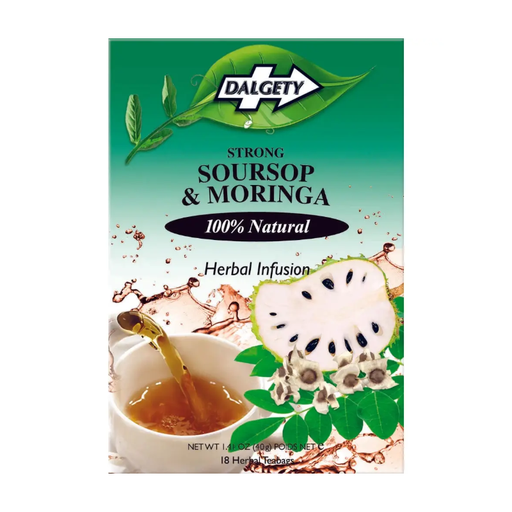
This soursop and moringa blend is an alternative to a mint-led infusion. Review both botanicals for personal suitability and check the exact pack’s caffeine statement and carry format.
 No image available
A chamomile-led blend for someone who prefers a flavoured infusion to a single-herb tea. Check the full ingredients: NHS pregnancy guidance advises avoiding teas containing liquorice root.
 No image available
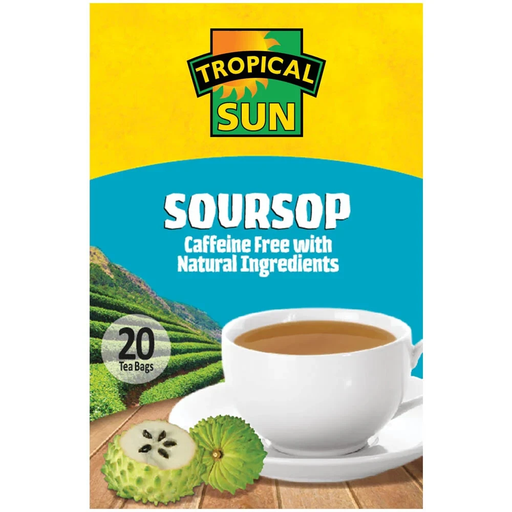
The 20-bag pack offers a soursop option for occasional food stops. Check its ingredients, caffeine statement and wrapping if you plan to carry individual bags.
 No image available
A larger peppermint pack for someone who also wants tea at later food stops. Check its caffeine statement and whether you will need a separate pouch to protect portions in hand luggage.
No. Twinings says most herbal and fruit infusions naturally contain no caffeine, but blends containing mate or guarana are exceptions. Check for an explicit caffeine-free statement and read the ingredients on the exact pack.
A caffeine-free herbal infusion and decaffeinated tea made from tea leaves are different choices. Decaffeination removes nearly all caffeine from conventional tea, but traces can remain; Twinings says UK decaf teas typically contain no more than 0.2% caffeine.
GOV.UK says food items in hand luggage can obstruct X-ray images and may need a further manual check. Keep the bags accessible and check the rules for your departure airport, airline and destination before travelling.
Check every botanical in the particular blend. NHS pregnancy guidance advises avoiding teas containing liquorice root and drinking no more than four cups of herbal tea a day; seek individual clinical advice if you are unsure about an ingredient.
Do not rely on hot water or service for a customer-supplied tea bag without checking. Ask the café, lounge or airline you intend to use before packing a bag as your planned drink.