Who is choosing the tea?
The right mix depends on whether the priority is an unambiguous caffeine-free choice, familiar tea flavour or a station that staff can replenish and explain.
Conference organisers serving mixed groups
Provide a clearly labelled caffeine-free infusion alongside standard drinks, with decaffeinated tea identified as a separate option. Attendees should not have to interpret “herbal” and “decaf” as if they meant the same thing.
Venue and catering teams
Choose portions that staff can identify and replenish, and keep product-specific ingredient and allergen information accessible at service. The Food Standards Agency and Food Standards Scotland set out allergen-information duties for food businesses, including non-prepacked drinks.
Buyers seeking a conventional tea flavour
Decaffeinated black or green tea may suit attendees who want a tea-leaf drink rather than a herbal infusion. Twinings distinguishes decaffeinated tea from naturally caffeine-free infusions: removing most caffeine does not necessarily remove every trace.
What should you check?
Decide which drinks need a caffeine-free label, then check the exact blends, serving format and information available at the station.
Herbal or fruit infusion
Choose when: The brief calls for a caffeine-free hot drink and the exact product confirms that status.
Bear in mind: Twinings identifies maté and guaraná as caffeine-containing exceptions among herbal and fruit infusions; check each blend rather than relying on its category.
Decaffeinated tea
Choose when: Attendees want a black- or green-tea-style drink with less caffeine.
Bear in mind: Decaffeinated tea can retain caffeine, so give it its own label rather than placing it among drinks promised to be caffeine-free.
| Priority | What to check | When it matters |
|---|
| Caffeine status |
Read the exact product’s caffeine statement and ingredients. Check blends for tea leaves, maté or guaraná; keep decaffeinated tea distinct from confirmed caffeine-free infusions. |
I need attendees to know which drink is labelled caffeine-free without having to guess from the word “herbal”. |
| Ingredients and allergens |
Keep the current pack or a product-specific ingredient and allergen record accessible. Check each flavour separately, particularly in mixed selections. |
If I am serving several blends, staff need to answer ingredient questions about the drink actually offered. The Food Standards Agency and Food Standards Scotland require food businesses to provide accurate, accessible allergen information within their respective jurisdictions. |
| Self-service format |
Check portions per pack, whether bags are individually wrapped, and how each flavour will be identified and replenished. Follow the brewing directions for the chosen product. |
At a lightly staffed station, I want people to find the right tea and prepare it using the directions for that pack. |
| Clear drink labels |
Name the flavour and distinguish caffeine-free infusions from decaffeinated tea. For an assortment, check its delivered contents before making a station-wide caffeine claim. |
A selection makes sense for my event only if every displayed flavour can be labelled accurately. Twinings says its 30-envelope selection can vary in contents and lists a decaffeinated tea blend among them. |
Brand and buying references
Brand ranges can help narrow a shopping list, but caffeine status, ingredients and pack format must be checked for the particular product.
Pukka
Pukka lists a range of caffeine-free herbal teas, including its Three Chamomile blend.
- Pukka describes Three Chamomile as naturally caffeine-free.
- Check each blend’s ingredients; a caffeine-free statement for one Pukka tea does not describe the whole range.
Twinings
Twinings offers both decaffeinated tea and herbal or fruit infusions, making the distinction between them useful when planning signs.
- Its selection jar is listed with 30 envelopes for portioned service.
- Twinings says the assortment can vary and lists a decaffeinated tea blend; check each included drink before applying a caffeine-free label.
Clipper
Clipper has both a single-ingredient peppermint infusion and more complex flavoured infusions.
- Clipper lists its peppermint infusion as 100% peppermint and naturally caffeine-free.
- Its lemon and ginger infusion lists several other ingredients, including liquorice root; review that blend’s own ingredient information.
Teapigs
Teapigs supplies tea temples through a hospitality trade range as well as individual product lines.
- Its peppermint tea lists pure peppermint leaves, a naturally caffeine-free statement and a brewing time of at least three minutes.
- Check the exact product’s caffeine statement, brewing directions and any factory-handling information; these differ between products.
Yogi Tea
Yogi Tea presents herbal, rooibos and other botanical blends in its UK range.
- The range gives organisers several ingredient and flavour profiles to examine.
- A general range description does not establish the caffeine status of every blend. Check the exact UK product before assigning it to a caffeine-free station.
Tesco
Tesco lists own-label peppermint alongside branded herbal products and decaffeinated tea.
- Its listings allow a buyer to identify several product types to consider for the same drinks station.
- Use each chosen product’s current details and delivered packaging to confirm its ingredients, allergen information and pack contents.
Joybuy herbal tea options
These Joybuy options are herbal infusions for the caffeine-free side of a conference drinks station. If you also plan to serve decaffeinated black or green tea, label it separately.
 No image available
Twinings Pure Peppermint 80 Pack
A peppermint option for a clearly labelled herbal station. The name specifies an 80 pack; check the delivered pack for its caffeine statement, ingredients and wrapping format before service.
 No image available
Tropical Sun Soursop Tea, 20 tea bags
This soursop tea offers another flavour in portioned bags for the herbal station. The name specifies 20 tea bags; check the pack’s ingredients, caffeine statement and preparation directions before adding it to the drinks list.
 No image available
Twinings Lemon & Ginger Tea Bags, 20 Pack
A lemon and ginger choice adds flavour variety to a portioned tea station. The name specifies a 20 pack; keep its exact ingredient information accessible and check the pack before describing it as caffeine-free.
 No image available
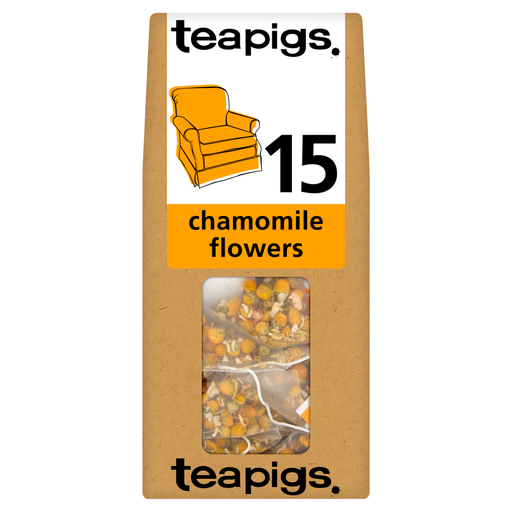
Teapigs Chamomile Flowers, 15 tea bags, 180g
Chamomile offers a flavour distinct from peppermint for guests choosing a herbal drink. The name states 15 tea bags and 180g; use the delivered pack for brewing directions and its exact caffeine and ingredient statements.
 No image available
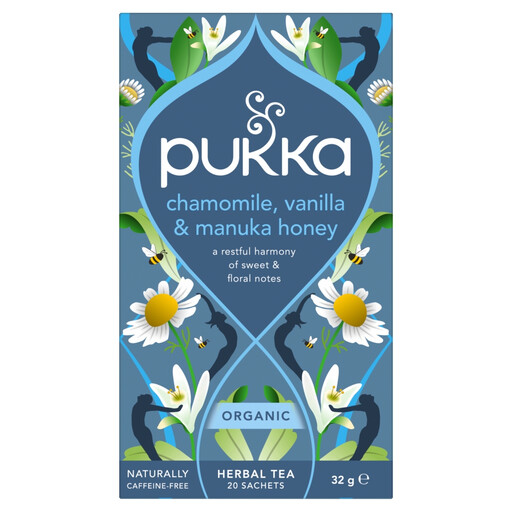
Pukka Chamomile Vanilla & Manuka Honey, 20 sachets, 32g
This chamomile, vanilla and manuka honey blend is a more elaborate flavour choice for the herbal station. The name specifies 20 sachets and 32g; retain the pack so staff can check the full ingredients and any relevant cautions rather than relying on the flavour name.
Common questions
Are all herbal teas caffeine-free?
No. Twinings says most herbal and fruit infusions are naturally caffeine-free, but identifies maté and guaraná as exceptions. Check the caffeine statement and ingredients of the exact blend before putting it on a caffeine-free station.
Should a conference offer decaf tea as well as herbal infusions?
A separate decaf option makes sense when attendees may want a conventional tea-leaf flavour. Label it “decaffeinated” rather than “caffeine-free”: Twinings explains that decaffeinated tea can retain caffeine.
Does a conference tea station need allergen information?
Food businesses must make required allergen information accurate and accessible. Food Standards Agency guidance covers non-prepacked food in England, Northern Ireland and Wales, while Food Standards Scotland gives guidance for prepacked and non-prepacked food and drink in Scotland. Keep the information for the products actually being served available to attendees and staff.
Can a selection pack have one caffeine-free sign?
Only if the sign accurately describes every drink in the delivered selection. Twinings says its 30-envelope assortment can vary and lists a decaffeinated tea blend, so check and label the individual flavours before service.
How long should self-service herbal tea brew?
Follow the directions for each product rather than setting one time for the whole station. Clipper advises 2–5 minutes for its peppermint infusion, while teapigs specifies at least three minutes for its peppermint tea; both give directions using boiling water.


