Choose an infusion explicitly labelled naturally caffeine-free if you want to avoid caffeine, rather than merely reduce it: Twinings notes that decaffeinated conventional tea can retain traces and that mate or guarana can be exceptions among herbal blends. For a Bonfire Night tea round, choose between spiced, fruity, floral and mint flavours, then check each blend’s ingredients and brewing instructions before serving.
Who is each option for?
Guests avoiding caffeine
Look for an explicit caffeine-free statement on an herbal, fruit or rooibos infusion, and check the ingredients. Twinings identifies mate and guarana as exceptions to the usual caffeine-free pattern for herbal and fruit infusions.
Hosts serving several guests
Consider two contrasting flavours rather than assuming everyone wants a spiced drink. The product ranges described by Pukka, Twinings and Teapigs include apple-and-cinnamon, chamomile, peppermint and spiced rooibos examples.
Guests checking botanical ingredients
Read the full blend label if particular ingredients matter to you. Do not choose a tea as a treatment; if you are pregnant, breastfeeding, taking medicines or unsure whether a botanical product suits you, seek appropriate professional advice.
What should you check before choosing?
Naturally caffeine-free infusion
Choose it when: Avoiding caffeine matters more than having the familiar taste of black or green tea.
Bear in mind: Herbal, fruit and rooibos flavours differ from conventional tea, and each blend needs its own ingredient check.
Decaffeinated black or green tea
Choose it when: You want a conventional tea-style cup and reducing caffeine is enough.
Bear in mind: Decaffeination does not necessarily remove every trace of caffeine, according to Twinings.
Once you have chosen between caffeine avoidance and reduction, check the individual tea for flavour, ingredients and a brewing method that works for your gathering.
| Priority | What to check | Your needs |
|---|
| Caffeine |
Read the product’s caffeine statement and ingredient list. Twinings says most herbal and fruit infusions are naturally caffeine-free, but mate and guarana are exceptions; conventional decaf tea may retain traces. |
If I want to avoid caffeine, I need an explicitly caffeine-free product, not just one called herbal or decaf. |
| Flavour |
Compare a spiced or fruit-and-spice blend with simpler chamomile or peppermint options. Check the named ingredients rather than relying on a seasonal description. |
For an outdoor tea round, I would like a flavour guests will enjoy hot, with an alternative for anyone who dislikes spice. |
| Ingredients |
Read every botanical in a blend; Clipper lists liquorice root in its Lemon & Ginger infusion. A shorter ingredient list makes it easier to identify what is in the cup, but does not establish medical suitability. |
I want guests to be able to check ingredients that matter to them without relying on a front-of-pack wellbeing claim. |
| Serving |
Follow the instructions for the chosen product. Twinings specifies one Pure Peppermint bag in 200 ml of freshly boiled water for 3 minutes, or longer for a stronger cup; Teapigs specifies at least 3 minutes for Spiced Winter Red Tea. |
When making several drinks, I need to allow for the brew time and handle hot cups carefully around the event. |
What is easy to overlook?
-
Treating decaf as caffeine-free
Decaffeinated black or green tea can retain caffeine traces, so the word decaf alone does not settle a strict caffeine-avoidance decision.
Choose a product explicitly described as caffeine-free and inspect its ingredients; keep conventional decaf as an option for guests who want to reduce caffeine while retaining a tea-style flavour.
-
Assuming every herbal blend suits every guest
Blends can contain several botanicals: Clipper, for example, lists liquorice root in its Lemon & Ginger infusion. A tea’s ingredients and a guest’s circumstances matter more than a wellbeing-themed name.
Keep packaging available for ingredient checks and offer a clearly labelled, simpler alternative. The NHS cautions that herbal medicines can be unsuitable in some circumstances; do not present a tea as medical treatment.
-
Serving only one seasonal flavour
Spiced rooibos, apple-and-cinnamon, chamomile and peppermint have different flavour profiles. A guest who wants mint or a floral cup may not want a spiced blend.
For a group, consider pairing a spiced or fruity tea with a chamomile or peppermint option.
-
Overlooking event safety
Choosing drinks does not replace planning for a safe bonfire or firework gathering. The Home Office provides separate guidance for hosting and enjoying these events safely.
Keep hot drinks in stable containers, take care when carrying them near other guests, and follow the applicable bonfire and firework safety guidance.
Which brands offer useful examples?
Pukka
Pukka describes both Three Chamomile and Wild Apple & Cinnamon as naturally caffeine-free, giving a choice between floral and fruit-and-spice flavours.
- Wild Apple & Cinnamon lists apple, cinnamon and ginger among its ingredients, according to Pukka.
- Check the ingredients of the specific blend; a flavour description is not a claim about its suitability for every guest.
Twinings
Twinings distinguishes decaffeinated conventional tea from most naturally caffeine-free herbal and fruit infusions. It describes Pure Peppermint as naturally caffeine-free.
- Its Pure Peppermint instructions specify one bag per 200 ml of freshly boiled water and a 3-minute brew, or longer for a stronger cup.
- Twinings notes that decaf tea may retain caffeine traces and that herbal blends containing mate or guarana are exceptions to the usual caffeine-free pattern.
Clipper
Clipper offers herbal infusions including chamomile, peppermint and Lemon & Ginger, which it describes as naturally caffeine-free.
- The published Lemon & Ginger ingredient list lets shoppers inspect the blend beyond its flavour name.
- That blend includes liquorice root as well as other botanicals, so check the individual ingredients when suitability matters.
Teapigs
Teapigs describes its rooibos-based Spiced Winter Red Tea as caffeine-free, with cinnamon, cloves and orange peel.
- The stated spiced ingredients offer a distinct alternative to floral or mint infusions.
- Teapigs specifies a brew of at least 3 minutes, which needs allowing for when serving several cups.
Joybuy herbal tea options
These Joybuy options are herbal infusions for guests considering a caffeine-free cup, with lemon-and-ginger, mint, chamomile and soursop flavours. Check each product’s caffeine statement and ingredients before choosing for a particular guest.
 No image available
Twinings Lemon & Ginger Tea Bags, 20 Pack
A lemon-and-ginger option for guests who prefer those flavours to mint or chamomile. Check the pack’s caffeine statement, full ingredient list and brewing directions before serving.
View on Joybuy
 No image available
Twinings Pure Peppermint, 80 Pack
A mint option for guests who would rather skip seasonal spices. Twinings describes Pure Peppermint as naturally caffeine-free and specifies one bag in 200 ml of freshly boiled water for 3 minutes, or longer for a stronger cup; the Joybuy product information lists 100% peppermint.
View on Joybuy
 No image available
Pukka Chamomile Vanilla & Manuka Honey, 20 Sachets, 32g
A floral-flavoured choice to consider alongside spiced teas. Check the ingredient list if chamomile, liquorice root or other botanicals affect your choice, and check the caffeine statement on the pack.
View on Joybuy
 No image available
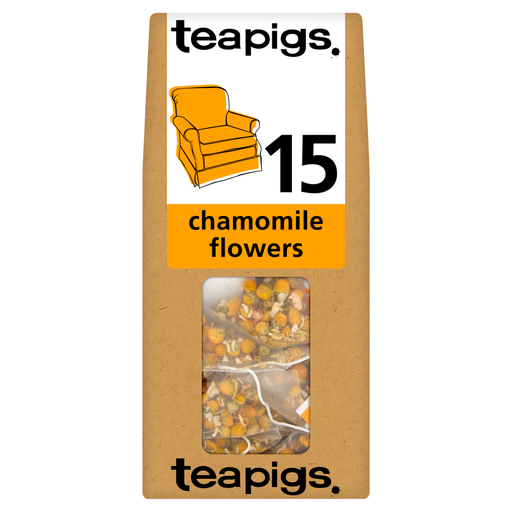
Teapigs Chamomile Flowers, 15 Tea Bags, 180g
A chamomile option for guests who prefer a floral flavour to ginger or mint. Check the pack for its caffeine statement, ingredients and product-specific brewing instructions.
View on Joybuy
 No image available
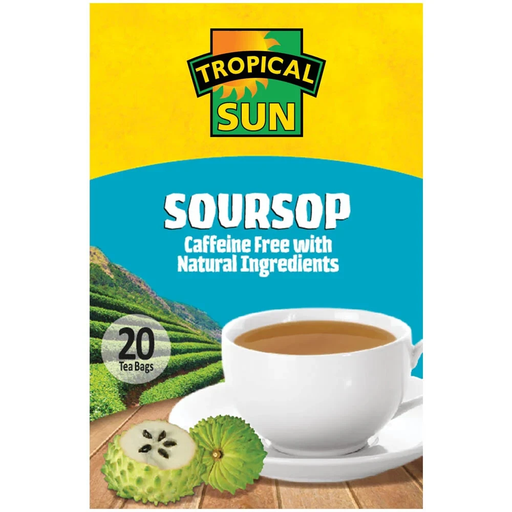
Tropical Sun Soursop Tea, 20 Tea Bags
A soursop option for guests interested in a flavour other than the familiar autumnal spices. Check the pack’s caffeine statement, ingredients and hot-brew instructions before making a round.
View on Joybuy
Common questions
Is every herbal tea caffeine-free?
No. Twinings says most herbal and fruit infusions are naturally caffeine-free but identifies blends containing mate or guarana as exceptions. Check the individual product’s caffeine statement and ingredients.
Is decaffeinated tea the same as caffeine-free tea?
No. Decaffeinated black or green tea can retain caffeine traces, according to Twinings. If avoiding caffeine is the aim, choose an infusion explicitly described as caffeine-free and check its ingredients.
How long should I brew tea for an outdoor gathering?
Follow the instructions for the tea you choose. Twinings specifies 3 minutes for Pure Peppermint in 200 ml of freshly boiled water, or longer for a stronger cup, while Teapigs specifies at least 3 minutes for Spiced Winter Red Tea. Allow for brewing time when preparing several drinks and take care with hot liquid outdoors.
Should I choose a herbal tea for a claimed wellbeing effect?
Choose a tea on its ingredients and suitability, not as a substitute for medical care. The NHS cautions that herbal medicines are not tested in the same way as standard medicines and can be unsuitable for people who are pregnant or breastfeeding, have kidney or liver problems, or take certain medicines; ask an appropriate healthcare professional if you are unsure about a botanical product.


