People avoiding caffeine
A herbal infusion specifically labelled naturally caffeine-free offers a straightforward botanical choice. Still check the ingredients: Twinings identifies mate and guarana as exceptions among herbal-style blends.


Choose a herbal infusion labelled naturally caffeine-free if avoiding caffeine matters most and you enjoy botanical flavours. Choose decaffeinated black tea if you would rather keep a familiar breakfast-tea taste; decaffeination removes nearly all caffeine, but traces can remain. For either choice, check the named product’s caffeine statement and ingredients: Twinings notes that some herbal-style blends contain naturally caffeinated mate or guarana.
A herbal infusion specifically labelled naturally caffeine-free offers a straightforward botanical choice. Still check the ingredients: Twinings identifies mate and guarana as exceptions among herbal-style blends.
Decaffeinated black tea keeps a conventional tea base for a breakfast cup, including one you might take with milk. It is processed to remove nearly all caffeine rather than being naturally caffeine-free.
Chamomile, peppermint and rooibos offer distinct floral, minty and earthy choices. A single-ingredient infusion makes its main flavour easier to identify; check the full list when choosing a blend.
Start with the distinction between naturally caffeine-free infusions and decaffeinated tea, then choose a flavour and inspect any blended ingredients.
| Priority | What to check | Your needs |
|---|---|---|
| Caffeine | Read the named product’s caffeine statement and ingredient list. Twinings distinguishes naturally caffeine-free infusions from processed decaffeinated tea and identifies mate and guarana as caffeinated exceptions in some blends. | If I want to avoid caffeine, I’ll look for a clearly labelled naturally caffeine-free infusion. If reducing caffeine is enough, decaffeinated black tea may give me the style of cup I prefer. |
| Flavour | Compare the botanical or tea base: Pukka describes Three Chamomile as chamomile-led, Clipper lists only peppermint in its Organic Peppermint Infusion, and Teapigs describes Honeybush & Rooibos as earthy and subtly nutty. | A floral or minty cup would suit a lighter breakfast spread; for an earthier drink, I’d consider rooibos and honeybush. If I want familiar black tea, I’d choose a decaf black-tea product instead. |
| Ingredients | Read the complete list, especially for flavoured blends. Clipper’s Lemon & Ginger Infusion, for example, lists liquorice root, citrus ingredients, hibiscus and flavouring as well as lemongrass and ginger. | I’d rather know which botanicals and flavourings are in the cup than choose by a flavour name alone. |
Twinings says most herbal and fruit infusions naturally contain no caffeine, but blends with mate or guarana are exceptions.
For caffeine avoidance, check both the product’s caffeine claim and its ingredients rather than relying on the word ‘herbal’.
Decaffeinated tea has undergone a process that removes nearly all caffeine; traces can remain. Twinings labels its Everyday Decaffeinated black tea as decaffeinated to 0.02% caffeine.
If trace caffeine matters to your choice, look instead for a named infusion labelled naturally caffeine-free and check its ingredients.
Clipper’s Lemon & Ginger Infusion contains several botanicals and flavouring, whereas its Organic Peppermint Infusion lists peppermint only.
Read the full ingredients if you prefer a single herb or want to avoid a particular botanical.
Chamomile, peppermint and rooibos bring botanical flavours rather than a conventional black-tea base.
Choose by the flavour you want at breakfast: a botanical infusion for its named ingredients, or decaffeinated black tea for a more familiar tea cup.
Brand ranges contain different kinds of tea, so use these examples as a starting point and check the individual product.
Pukka describes Three Chamomile as a chamomile-based herbal infusion that is naturally caffeine-free.
Twinings offers decaffeinated black tea and explains how decaf tea differs from herbal infusions.
Clipper’s herbal infusions include Organic Peppermint and Lemon & Ginger.
Teapigs describes its Peppermint and Honeybush & Rooibos infusions as naturally caffeine-free.
Yogi Tea lists peppermint among ingredients used in its herbal product lines.
These options cover mint, chamomile and flavoured herbal infusions, plus a decaffeinated black tea for anyone who prefers a conventional breakfast-tea base.
 No image available
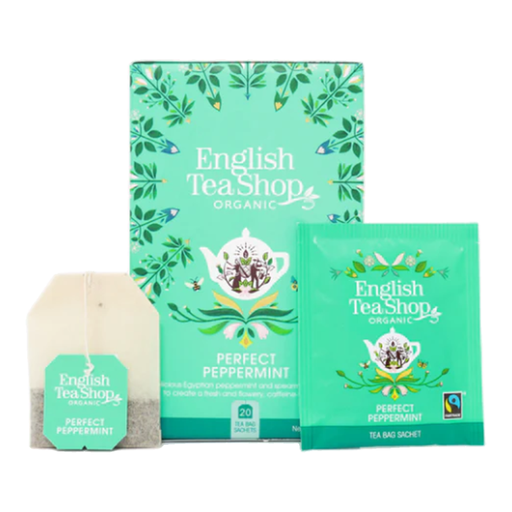
A mint-led herbal option for a breakfast cup rather than a conventional black tea. Check the pack’s caffeine statement and ingredients if either matters to your choice.
 No image available
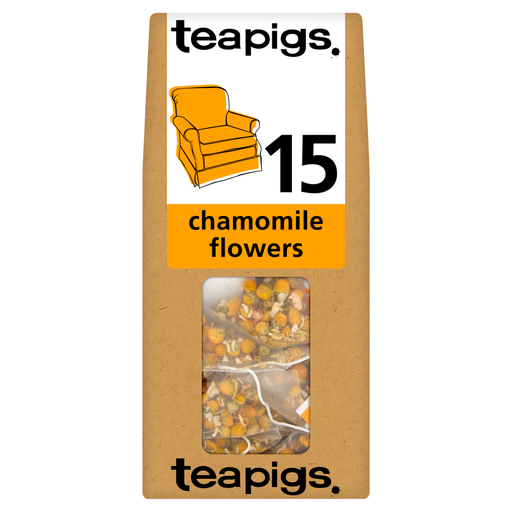
Consider this chamomile option when a floral botanical cup appeals more than black breakfast tea. The product name specifies 15 tea bags and 180g; follow the pack’s instructions for brewing.
 No image available
A lemon-and-ginger choice for someone who wants a flavoured cup rather than traditional black tea. As with other blends, check the complete ingredients and caffeine statement on the pack.
 No image available
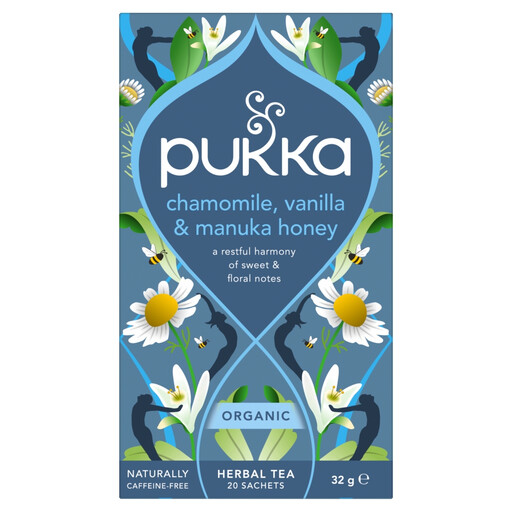
This chamomile-named blend suits someone seeking a flavoured botanical cup rather than plain chamomile. Check its full ingredients and caffeine statement; if you are pregnant or have health concerns, follow the product’s advice to consult a healthcare professional before use.
 No image available
A decaffeinated black-tea choice for a more conventional breakfast cup. Decaf tea can retain traces of caffeine, so check the product’s caffeine information if trace amounts affect your choice.
No. Twinings explains that decaffeinated tea has been processed to remove nearly all its caffeine, while most herbal and fruit infusions naturally contain none. Check each blend, though: mate and guarana are naturally caffeinated exceptions.
Choose a botanical infusion by the flavour you enjoy: Pukka describes Three Chamomile as chamomile-led, Clipper’s Organic Peppermint lists peppermint only, and Teapigs describes Honeybush & Rooibos as earthy and subtly nutty. Check the individual caffeine statement as well as the flavour.
Yes. Decaffeinated black tea keeps a black-tea base; Twinings describes its Everyday Decaffeinated as a well-rounded Kenyan tea blend. It is not naturally caffeine-free, so check the named product if traces matter to you.
Read the caffeine statement and full ingredient list. For example, Clipper’s Lemon & Ginger Infusion lists several botanicals and flavouring, whereas its Organic Peppermint Infusion lists peppermint as the sole ingredient.
No. Follow the instructions for the particular product rather than applying one brewing time to every infusion or decaffeinated tea. Adjusting the cup to your taste does not change what its ingredient list or caffeine statement says.