What should a canteen buyer check?
Choose between an infusion and conventional decaf tea first, then check the individual products against the way lunch drinks are served.
Herbal or fruit infusion
Choose when: The canteen wants a clearly labelled caffeine-free option with a flavour other than conventional tea.
Keep in mind: The flavour depends on the blend, and some infusions contain caffeine-bearing ingredients such as mate or guarana.
Decaffeinated black or green tea
Choose when: Staff want a conventional tea flavour with reduced caffeine.
Keep in mind: Decaffeinated tea is not naturally caffeine-free; Twinings notes that traces of caffeine may remain.
| Priority | What to check | Your needs |
|---|
| Caffeine status |
Read the individual caffeine statement and ingredients. Check herbal blends for mate or guarana; distinguish an infusion from decaffeinated black or green tea. |
I want the menu to distinguish a caffeine-free infusion from a drink that has had caffeine removed. |
| Flavour range |
Compare the named ingredients in mint, chamomile, fruit and ginger blends. Check whether a second option offers a genuinely different flavour. |
One herbal flavour will not suit everyone at lunch; I want a contrasting choice without making claims about its effects. |
| Preparation |
Use each pack’s water and brewing directions rather than one instruction for every blend. Yogi Tea, for example, advises 100°C water and at least 5–7 minutes for its herbal and spice blends. |
People need instructions they can follow at a shared hot-water point during lunch. |
| Ingredients and allergens |
Keep the current pack or supplier information for each product. GOV.UK guidance for England, Northern Ireland and Wales requires food businesses to provide allergen information and follow applicable labelling rules. |
Staff need to be able to answer ingredient and allergen questions about the tea actually being served. |
| Pack format |
Check the bag count and whether individual bags suit the drinks station. Compare the specific packs rather than assuming all products from a brand use the same format. |
For recurring lunch service, I need to know how many portions a pack provides. |
Joybuy herbal tea options
These bagged herbal infusion options cover several flavours for a canteen lunch drinks station. They are not a selection of decaffeinated black or green teas.
 No image available
Twinings Lemon & Ginger Tea Bags, 20 pack
A lemon-and-ginger choice if the lunch range needs a flavour distinct from mint or chamomile. Check the current pack’s full blend ingredients, caffeine statement and brewing directions before adding it to the drinks station.
 No image available
Tropical Sun Soursop Tea, 20 tea bags
A soursop option for a range that already has familiar mint or floral flavours. Check the pack’s caffeine statement and its directions for the way the canteen plans to serve it.
 No image available
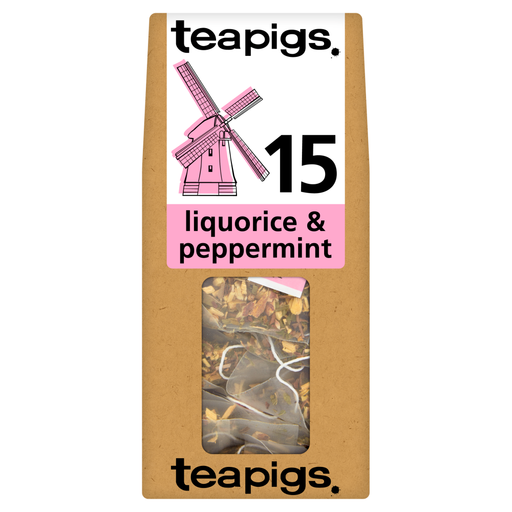
Teapigs Liquorice & Mint, 15 tea bags
A mint-led blend with liquorice for a flavour different from pure peppermint. The listing notes that its manufacturing facility handles nuts; confirm the current pack’s ingredient and allergen information before serving.
 No image available
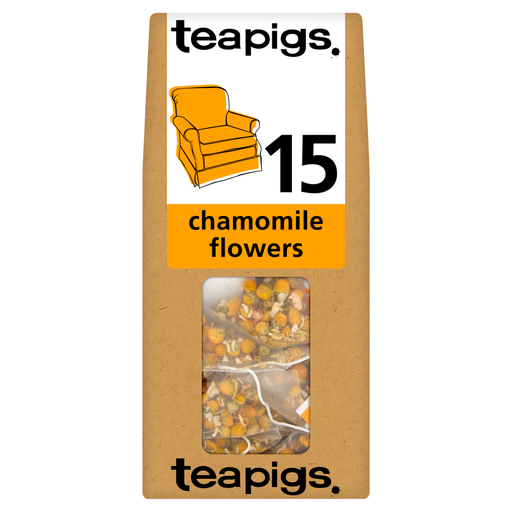
Teapigs Chamomile Flowers, 15 tea bags, 180g
A chamomile choice when the canteen wants a floral alternative to mint. Check the current pack for its caffeine statement, allergen information and product-specific brewing directions.
 No image available
Twinings Pure Peppermint, 80 pack
An 80-pack mint option where bag count matters for recurring lunch service. Confirm the current pack’s caffeine and ingredient statements, then use its own brewing directions at the drinks station.
Common questions
Is herbal tea the same as decaf tea?
No. A herbal or fruit infusion is distinct from decaffeinated black or green tea, which is made from tea leaves and may retain traces of caffeine. Twinings also identifies mate and guarana as exceptions among infusions, so check the individual product before calling it caffeine-free.
What is a manageable starting range for lunch service?
Choose two contrasting bagged flavours whose individual packs confirm the caffeine status you intend to advertise. A peppermint option and a chamomile, fruit or ginger option give staff a choice without assuming that one herbal flavour suits everyone; check each pack’s ingredients and serving directions.
Can every herbal blend be labelled caffeine-free?
No. Twinings identifies infusions containing mate or guarana as caffeine-bearing exceptions. Use the individual pack or manufacturer’s product information, rather than the broad herbal-tea category, for a canteen menu description.
Should every herbal tea have the same brewing instruction?
No. Follow the directions for each product stocked. Yogi Tea advises 100°C water and at least 5–7 minutes for its herbal and spice blends, but that does not establish the brewing time for another brand’s tea.
Does a workplace canteen need allergen information for tea?
GOV.UK guidance for England, Northern Ireland and Wales requires food businesses to provide allergen information and follow the labelling rules applicable to how food and drink are supplied. Keep current product information accessible to staff; operators in Scotland should check the requirements that apply there.


