For occasional single-cup service, individually wrapped herbal pyramids give staff a sealed bag to open for each drink; Twinings lists a 15-bag Unwind pack in this format. Its 40-bag loose pouch is a different choice for regular service where individual wrapping is not needed. If a single-ingredient infusion matters more than wrapping, Teapigs Chamomile contains whole chamomile flowers, but check the packaging of the exact pack before planning how to serve or display it.
Who is buying the tea?
Shops serving one cup at a time
Staff preparing drinks individually may value a sealed bag for each cup and clear instructions for the exact infusion. Twinings lists its 15-bag Unwind pyramid pack as individually wrapped and suitable for smaller catering settings.
Buyers planning a simple herbal range
A single-botanical option and a flavoured blend give customers different ingredient choices. Teapigs lists pure whole chamomile flowers in its 40-temple Chamomile product; Twinings Unwind is a spiced apple and camomile blend. Check each pack’s ingredient and caffeine statements before writing shelf descriptions.
Shops explaining packaging disposal
Buyers making signs for customers need wording that applies to the particular bag and its outer packaging. Pukka describes its tea bags as home compostable, while Clipper describes the material in its bags as plant-based and biodegradable. Neither statement should be applied to another brand’s bag.
What should the shop check?
Decide how each tea will be served or sold, then check the exact pack’s wrapping, ingredients and preparation information.
| Priority |
What to check |
Your needs |
| Serving format |
Check whether bags are individually wrapped or loose in a pouch. Twinings lists 15 individually wrapped Unwind pyramids and a separate 40-bag pouch that is not individually wrapped. |
For occasional cups or a shelf of single portions, I want each bag sealed until use. For frequent staffed service, a loose pouch may suit the way stock is handled. |
| Ingredients and caffeine |
Read the ingredient list and the caffeine statement on the exact SKU. Teapigs lists pure whole chamomile flowers and describes its Chamomile Tea as naturally caffeine-free; Clipper describes its Peppermint Infusion as naturally caffeine-free. |
Customers should be able to tell a single-herb infusion from a flavoured blend without relying on the words “herbal” or “evening”. |
| Preparation |
Check the pack’s brewing directions and whether its portion format works for the cups staff serve. Do not transfer directions from another pack or blend. |
If staff prepare several drinks at once, I need instructions they can follow consistently rather than judging a tea by its pyramid shape. |
| Disposal wording |
Check the supplier’s wording separately for the bag and its envelope or pouch, then check local collection arrangements. Home compostability and plant-based material describe different things. |
I want shelf and counter signs that tell customers what applies to the product they are buying, without making a blanket claim about every tea bag. |
Common buying mistakes
-
Assuming every herbal blend is caffeine-free
A flavour name or pyramid shape does not establish caffeine status. An inaccurate shelf description could mislead someone choosing a drink on that basis.
Use the caffeine statement and ingredient list for each SKU when describing it to customers.
-
Treating every pyramid pack as a sealed single portion
Twinings offers both individually wrapped Unwind pyramids and a 40-bag loose pouch. The pouch does not provide a sealed wrapper around each bag.
Choose the pack format around how often staff will use it and whether individual sealed portions are needed for service or display.
-
Using disposal terms interchangeably
“Home compostable” and “plant-based” make different claims. Pukka uses the former for its tea bags; Clipper describes the material in its bags as plant-based and biodegradable.
Check wording for the exact bag and outer packaging before printing disposal instructions, and account for local collection arrangements.
-
Turning a tea description into a treatment claim
Customers may read a wellbeing message as a claim about what a drink can do for a health condition. NHS guidance also notes that herbal medicines are not suitable for everyone; a tea shelf is not a place to offer treatment advice.
Keep descriptions to the drink’s flavour, ingredients, stated caffeine status and brewing directions.
Brand and product-line references
These references help distinguish formats and claims; a brand name alone does not establish the specifications of every pack in its range.
Twinings
Its Unwind Spiced Apple & Camomile pyramids come in two pack formats relevant to staffed service.
- Twinings lists a 15-bag individually wrapped pack for smaller catering settings.
- Its separate 40-bag pouch is not individually wrapped.
Teapigs
Teapigs calls its pyramid bags Tea Temples. Its Chamomile Tea listing identifies pure whole chamomile flowers.
- The listed 40-temple Chamomile Tea is described as naturally caffeine-free.
- Confirm the wrapping and preparation directions of the exact pack ordered rather than assuming it matches a service format.
Pukka
A reference for shops considering bag-disposal information alongside their herbal range, rather than choosing solely by pyramid shape.
- Pukka says its tea bags are certified home compostable.
- Check the shape and packaging of the particular herbal product if pyramid bags are required.
Clipper
Its Peppermint Infusion offers a clearly identified herbal ingredient and a stated caffeine status.
- Clipper describes its Peppermint Infusion as naturally caffeine-free and its tea-bag material as plant-based and biodegradable.
- Check the particular peppermint pack’s bag shape before treating it as a pyramid option.
Yogi Tea
Yogi Tea presents an organic herbal-blend range that a shop could assess for ingredient variety.
- Check the exact product’s bag shape, ingredients and caffeine statement before adding it to a pyramid-bag selection.
Joybuy product options
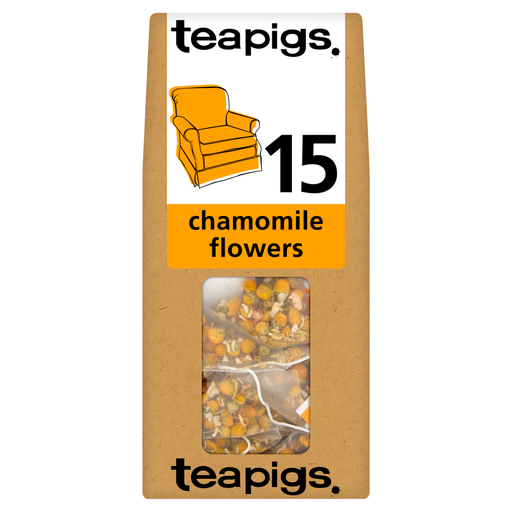
This Teapigs chamomile option is a single-botanical tea in temple-shaped bags. Its 15-bag pack is distinct from the 40-temple Teapigs pack discussed above; check the exact pack if individually sealed portions are needed.
 No image available
Teapigs Chamomile Flowers, 15 Tea Bags, 180g
For a single-botanical option, this 15-bag product is described as containing 100% whole chamomile flowers and producing a caffeine-free infusion in temple-shaped bags. Confirm individual wrapping before relying on sealed portions, and follow the pack’s own brewing and disposal instructions.
Joybuy
Questions about serving and selling
Should a shop choose wrapped pyramids or a loose pouch?
Choose individually wrapped bags when a sealed portion matters for occasional service or display. Twinings lists its 15-bag Unwind pack as individually wrapped, while its separate 40-bag food-service pouch contains loose bags; the latter calls for a serving arrangement that does not depend on individual wrappers.
Does “herbal pyramid” mean caffeine-free?
No. Check the caffeine statement on the specific product rather than relying on its category or bag shape. Teapigs describes its 40-temple Chamomile Tea as naturally caffeine-free, and Clipper makes the same statement for its Peppermint Infusion.
Can shop signs say a herbal tea helps with sleep or a condition?
Keep signs to supported drink information rather than promising a treatment effect. State the ingredients, flavour, product-specific caffeine status and preparation directions without suggesting tea replaces professional health advice.
Can a plant-based tea bag go in household food waste?
Plant-based material alone does not answer that disposal question. Pukka says its tea bags are home compostable, whereas Clipper describes the material in its bags as plant-based and biodegradable. Check the exact product’s instructions and local collection rules before telling customers where to put it.


