Choose herbal pyramid bags if the whole-leaf format itself matters to you: Teapigs describes its Tea Temples as pyramids packed with whole leaves, and Twinings has a loose-leaf pyramid range. For a budget shop, conventional herbal bags are also worth considering; compare the exact flavour, bag count, ingredients and stated bag shape rather than assuming a pyramid makes a better infusion.
Who is each format for?
Everyday herbal tea drinkers
If you regularly make peppermint, camomile or lemon-and-ginger tea and do not need a pyramid bag, start with the flavour and pack size you will use. Tesco Groceries lists 40-bag packs in each of those varieties; check the individual pack if its shape matters to you.
Shoppers curious about pyramid bags
If whole leaves in a pyramid bag appeal to you, look for a product-specific format statement. Teapigs describes its Tea Temples as pyramids packed with whole leaves, while Twinings identifies a separate loose-leaf pyramid range. Neither description establishes how every herbal product from those brands is packed.
Ingredient and disposal-conscious shoppers
For a particular botanical, caffeine statement or allergen requirement, read the label of the exact blend. If disposal matters too, check instructions for the bag, tag and envelope separately: packaging claims do not all describe the same disposal route.
What should you check?
Choose a flavour you want to drink, confirm its bag format, then compare pack sizes and the label details that matter to you.
| Priority |
What to check |
Your needs |
| Pack size |
Read the stated bag count. Compare packs of flavours and formats you would actually choose; a smaller pack may also be a way to try an unfamiliar blend. |
I drink this tea regularly and want to know how many bags I am bringing home. |
| Bag format |
Look for a pyramid or Tea Temple statement on the exact product. Teapigs describes Tea Temples as whole-leaf pyramid bags; Twinings identifies its loose-leaf pyramids as a distinct range. |
I am interested in the leaf presentation, not assuming the bag shape guarantees a different flavour. |
| Ingredients and caffeine |
Read the full ingredient list and the exact blend's caffeine statement. For allergy requirements, check the current allergen information; GOV.UK says food businesses must identify any of 14 specified allergens used as ingredients. |
For an evening drink or a blend without a particular botanical, I need the label for the product I will use. |
| Bag disposal |
Check instructions for each packaging component and your local collection service. Pukka describes its tea bags as UK-certified home compostable; Clipper describes its plant-cellulose PLA bag material as industrially compostable. |
My disposal choice depends on the exact bag and what my local service accepts. |
Common buying mistakes
-
Assuming a pyramid guarantees a better infusion
A pyramid or whole-leaf format can be a genuine preference, but the shape alone does not establish superior flavour or other benefits.
Choose a blend you want to try and check its stated bag format. A small pack lets you find out whether you enjoy that particular tea without treating the shape as a guarantee.
-
Assuming every herbal bag from a brand is a pyramid
Twinings identifies a specific pyramid range. A brand's pyramid range does not establish the shape of every other bag it sells.
Check the exact listing or pack for words such as 'pyramid' or 'Tea Temple' rather than relying on the brand name or packaging design.
-
Choosing a blend from its flavour name alone
A name may not tell you every ingredient. GOV.UK states that food businesses must identify specified allergens when they are ingredients in food or drink.
Read the current ingredient and allergen information, especially for a mixed blend or if you need to avoid an ingredient. Seek appropriate professional advice for personal medical or dietary concerns.
-
Treating one packaging claim as a disposal instruction for all bags
Pukka's UK home-compostable claim and Clipper's description of industrially compostable PLA refer to different materials and handling information.
Follow the exact pack's instructions for its bag, tag and envelope, alongside your local council's collection guidance.
Herbal tea brand references
These brand ranges provide format and ingredient reference points; check the individual product before assuming it has the same bag shape or packaging instructions.
Teapigs
Teapigs calls its Tea Temples pyramid bags packed with whole leaves. Its Peppermint 15 Tea Temples is an example for shoppers seeking that format.
- Teapigs lists pure peppermint leaves as the ingredient in its Peppermint Tea Temples.
- Check the exact blend and pack rather than assuming the peppermint details apply to other Teapigs teas.
Twinings
Twinings has a designated loose-leaf pyramid range that includes Unwind Spiced Apple & Camomile.
- The range identifies pyramid bags explicitly, making it possible to select by format.
- A Twinings herbal tea outside that range should be checked individually for its bag shape.
Clipper
Clipper Organic Chamomile is a 20-bag herbal infusion for shoppers considering an organic camomile option.
- Clipper says its tea bags use plant-cellulose PLA sealing material and describes that material as industrially compostable.
- Confirm the bag shape on the individual product if you specifically want pyramids, and follow its disposal instructions.
Pukka
Pukka states that its products are certified organic and that its tea bags carry UK home-compostable certification.
- Pukka says the tea-bag tag should go in paper recycling.
- Check the specific tea's ingredients and format; a compostability statement does not establish a pyramid shape.
Yogi Tea
UK retailer Nature's Health Box lists Yogi Tea herbal blends including Lime Mint and Ginger in 17-bag packs.
- The listed varieties offer different herb-and-spice combinations to compare by ingredient.
- Check each product's bag shape rather than assuming these varieties are pyramids.
Tesco
Tesco Groceries lists own-label Peppermint, Camomile and Lemon & Ginger herbal teas in 40-bag packs.
- The stated bag count provides a reference point when comparing everyday pack sizes.
- Check the individual product for its ingredients and bag shape; the listings do not identify these packs as pyramids.
Joybuy herbal tea options
These Joybuy options cover named herbal flavours and different pack sizes, including teas from brands with pyramid ranges. Confirm the bag shape on each exact product if a pyramid is essential to your choice.
 No image available
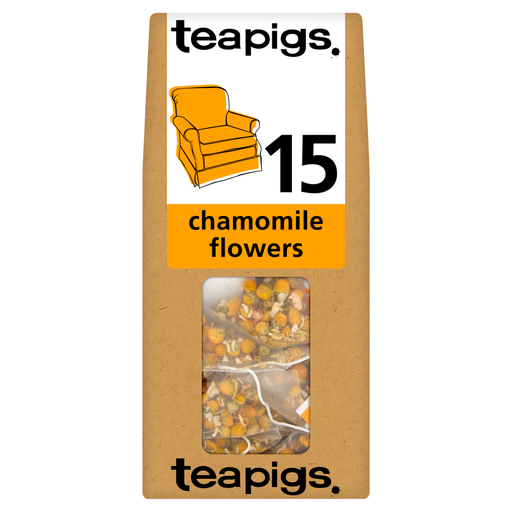
Teapigs Chamomile Flowers 15 Tea Bags 180g
For a chamomile option in a stated 15-bag pack. Check the exact product's ingredients and bag format if either is important to you.
Joybuy
 No image available
Twinings Lemon & Ginger Tea Bags 20 Pack
A lemon-and-ginger option in a stated 20-bag pack. Check the exact ingredients and bag shape before choosing it for a particular dietary need or format.
Joybuy
 No image available
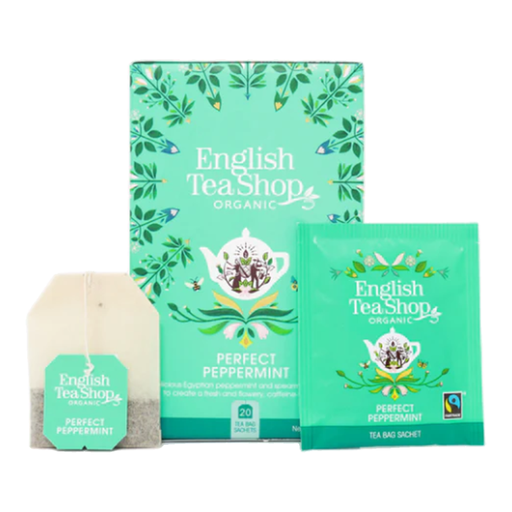
English Tea Shop Organic Perfect Peppermint 20g
A named peppermint blend in a 20g pack. Check the bag count, full ingredients, bag shape and disposal instructions on the exact product.
Joybuy
 No image available
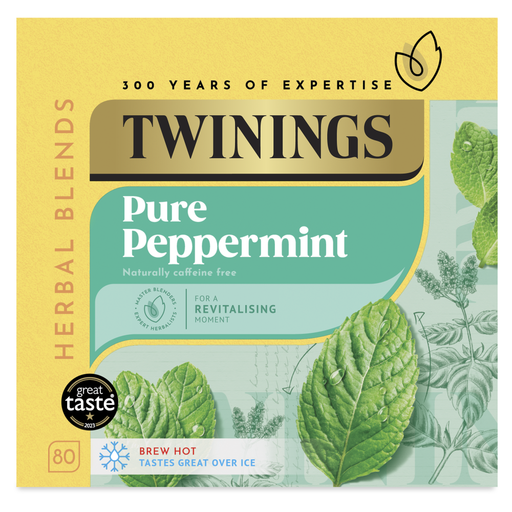
Twinings Pure Peppermint 80 Pack
The stated 80-pack may suit someone who regularly chooses peppermint. Confirm its bag shape on this product rather than assuming it belongs to Twinings' pyramid range.
Joybuy
 No image available
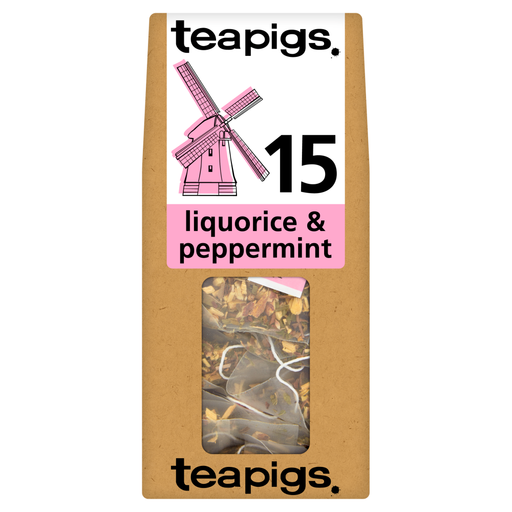
Teapigs Liquorice & Mint 15 Tea Bags
A liquorice-and-mint option in a stated 15-bag pack. The product information notes manufacture in a facility handling nuts; check the current pack if this affects you, and confirm its bag shape separately.
Joybuy
Frequently asked questions
Does a pyramid bag guarantee a better herbal infusion?
No. Teapigs describes its Tea Temples as whole-leaf pyramid bags, but that format statement does not establish how a blend will taste to you. Choose by the exact tea and format you want, rather than treating the shape as a guarantee.
Are all herbal tea bags caffeine-free?
Do not assume so from the category name. Teapigs describes its Peppermint Tea Temples and Clipper its Organic Chamomile infusion as naturally caffeine-free; check the caffeine information for the exact blend you intend to buy.
What should I check if I have a food allergy or intolerance?
Read the current pack's ingredients and allergen information, particularly for a blend. GOV.UK states that food businesses must tell consumers when any of 14 specified allergens are ingredients in a food or drink product.
Can herbal tea bags go in food waste or home compost?
Follow the exact pack and your local collection guidance. Pukka says its tea bags are UK-certified home compostable and its tags belong in paper recycling; Clipper describes its plant-cellulose PLA bag material as industrially compostable. Those statements are not interchangeable instructions for every component.
How long should I brew a herbal tea bag?
Use the directions for the exact tea. Teapigs advises boiling water and at least three minutes for its Peppermint Tea Temples; Clipper advises two to five minutes for its Organic Chamomile infusion.


