For occasional meetings where guests serve themselves, individually wrapped herbal pyramids make each flavour easy to identify and keep bags separate until use. For frequent, managed service, a larger pouch of loose pyramids may be practical if it can be kept closed between meetings; check each blend’s caffeine declaration and ingredients rather than assuming every herbal-style tea is suitable for everyone.
Who is choosing the tea?
The way tea is served matters as much as the shape of the bag: a guest-facing table, a regularly staffed station and a mixed group call for different checks.
Client-facing meeting organisers
Guests may need to recognise a flavour and prepare a cup without opening a shared pouch. Twinings describes its individually enveloped 15-bag pyramid boxes as suitable for smaller food-service settings; check the flavour and ingredients before choosing one for the table.
Office managers running frequent meetings
A larger pack can serve repeated meetings from one managed station. Twinings offers 40-bag loose-pyramid pouches for smaller catering settings, but the bags are not individually wrapped, so consider how the opened pouch will be stored and served.
Hosts catering for different preferences
Offer choices whose caffeine status and ingredients can be checked separately. Twinings labels its Double Mint and Spiced Apple & Camomile pyramids caffeine-free, while teapigs lists green tea and caffeine in its Cleanse Tea.
What should you check?
Start with how guests will collect their tea, then check the exact blends and the information you can keep with the display.
| Priority | What to check | Your needs |
|---|
| Serving format |
Check whether each pyramid has its own envelope or comes loose in a pouch. Compare the stated bag count with how often tea will be served. |
For a self-service table, I want guests to take one clearly identifiable bag. For regular managed service, I can use a shared pouch if it is kept closed between meetings. |
| Caffeine and flavour |
Read the caffeine declaration and ingredient list for each blend; a herbal-style name alone does not establish caffeine-free status. Consider more than one flavour profile for a mixed group. |
Some attendees may want a caffeine-free drink, while others may not choose mint or a spiced blend. I need to know which options I am actually offering. |
| Ingredient information |
Keep the current pack information accessible, particularly if bags are moved into jars or baskets. For food-business service, GOV.UK and Food Standards Scotland guidance addresses allergen information for prepacked and non-prepacked food and drink. |
If someone asks what is in a tea, I want to answer from its current product information rather than its flavour name. |
| Preparation |
Check the instructions for the exact blend and make them visible beside hot water. Allow for its stated brewing time in the meeting set-up. |
When guests make their own drinks, a short serving instruction helps them know how long to leave the bag in the cup. |
| Packaging disposal |
Check disposal instructions separately for the bag, envelope and carton. Confirm which materials the workplace collection accepts before setting out a disposal label. |
I want the instructions beside the tea to match both its packaging and the bins available at work. |
Common buying mistakes
-
Assuming every herbal-style blend is caffeine-free
teapigs lists green tea in Cleanse Tea and labels it as naturally containing caffeine. A botanical name or pyramid shape is not a substitute for checking the blend.
Read the caffeine declaration and ingredients on each pack, then label caffeine-free choices clearly at the serving table.
-
Choosing loose bags for an occasional self-service table
Twinings states that its 40-bag Double Mint and Spiced Apple & Camomile pyramid pouches are not individually wrapped. Guests would be taking bags from an opened shared pack rather than picking up sealed servings.
Consider individually wrapped bags for occasional self-service. Keep loose pouches for a managed station where the pack can be closed between uses.
-
Separating tea bags from their ingredient information
Once bags are decanted, a flavour label alone may not give staff the information needed to answer ingredient questions. GOV.UK and Food Standards Scotland set out allergen-information duties for food businesses serving food and drink.
Keep the current boxes or an accurate written ingredient and allergen list beside each displayed blend, and update the information when the product changes.
-
Treating all disposal claims as the same
Packaging materials and disposal descriptions differ by product. Pukka describes its tea bags as UK-certified home compostable; Clipper describes its PLA-sealed bags as plant-based and biodegradable, rather than simply plastic-free.
Follow the instructions for the exact pack and check what the workplace waste collection accepts before labelling a bin for tea bags or envelopes.
Relevant brand ranges
These ranges illustrate different pack and bag formats; a brand’s presence here does not mean every one of its blends is a herbal pyramid tea.
Twinings
Twinings lists herbal pyramids in both individually wrapped 15-bag boxes and loose 40-bag pouches for smaller food-service settings.
- Double Mint is available in both formats, making the wrapping choice straightforward to compare.
- The 40-bag pouches are not individually wrapped; check the selected flavour as well as the pack format.
teapigs
teapigs calls its pyramid bags Tea Temples and describes the range as containing whole leaves; its chamomile tea is offered in this format.
- A whole-flower chamomile option offers a different flavour from mint-based pyramids.
- Check caffeine status blend by blend: Cleanse Tea contains green tea and is labelled as containing caffeine.
Pukka
Pukka is a consideration when the individual tea bag and its disposal instructions matter more than pyramid shape.
- Pukka states that its tea bags are UK-certified home compostable and stitched without staples.
- Check the exact product’s bag shape if a pyramid is required.
Clipper
Clipper’s Organic Peppermint is a standard 20-bag herbal option when pyramid presentation is optional.
- Clipper labels this peppermint infusion naturally caffeine-free.
- Its plant-based PLA bag material should not be described simply as plastic-free; check the pack’s disposal instructions.
A chamomile pyramid option on Joybuy
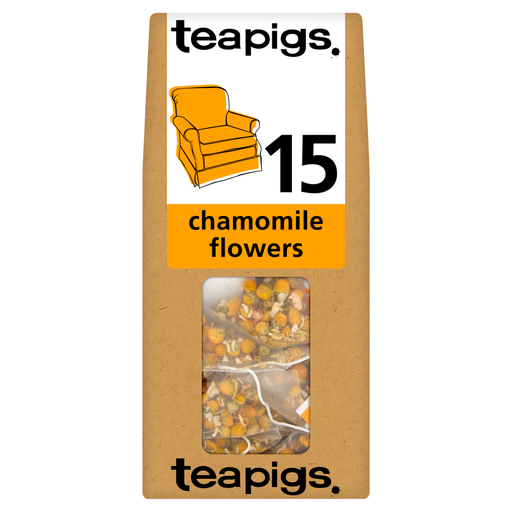
This teapigs chamomile option covers the whole-flower pyramid route for a meeting tea selection. If guests need individually wrapped servings, check the pack format before choosing it for self-service.
 No image available
teapigs Chamomile Flowers, 15 Tea Bags, 180g
A chamomile option for a meeting table where guests can choose between flavours. teapigs offers chamomile in its pyramid-style Tea Temples range; this listed pack contains 15 tea bags. Check the pack’s wrapping and brewing instructions if guests will serve themselves.
View on Joybuy
Frequently asked questions
Are herbal pyramid tea bags always caffeine-free?
No. Twinings labels its Double Mint and Spiced Apple & Camomile pyramids caffeine-free, but teapigs Cleanse Tea contains green tea and is labelled as containing caffeine. Check the declaration on each blend you plan to serve.
Should I keep the boxes when putting tea bags out for a meeting?
Keep the current ingredient and allergen information available, either on the boxes or in an accurate written list if bags are decanted. For food businesses, GOV.UK and Food Standards Scotland guidance addresses providing allergen information for prepacked and non-prepacked food and drink.
Can any biodegradable tea bag go in a home compost bin?
No: follow the claim and instructions for the particular product. Pukka states that its tea bags have UK home-compostable certification, while Clipper describes its PLA-sealed bags as plant-based and biodegradable. Check separately what your workplace collection accepts.
How much brewing time should a meeting tea station allow?
Use the instructions for each selected blend rather than one timing for all pyramid bags. Twinings gives 2–3 minutes for its Double Mint pyramids; teapigs notes that the whole leaves in its Cleanse Tea take longer and advises at least 3 minutes for that blend. Put the applicable instructions beside the cups and hot water.


