Choose a herbal pyramid bag when seeing leaves or flowers infuse is part of how you want to serve afternoon tea; choose the blend by its ingredients and flavour, not its bag shape. For guests avoiding caffeine, check the exact pack’s caffeine statement and ingredients, as a botanical blend can also contain green tea. A conventional bag remains an option when presentation matters less than the blend or its stated disposal instructions.
Who is this for?
The serving style and your guests’ ingredient requirements should guide the choice before the shape of the tea bag does.
Hosts serving tea in a cup or glass
If seeing the ingredients infuse matters to your afternoon-tea presentation, look for a pyramid bag whose exact blend contains leaves, herbs or flowers. Teapigs describes its Tea Temples as pyramid bags packed with whole leaves; Twinings says its pyramids give leaves room to unfurl. Neither description determines which flavour your guests will prefer.
Guests avoiding caffeine
Look for a caffeine statement on the exact blend as well as its ingredient list. Twinings describes Refresh Double Mint as naturally caffeine-free, whereas Teapigs Cleanse contains green tea. A botanical name alone is not enough to distinguish them.
Hosts checking ingredients for guests
Keep the pack available so guests can check the full ingredients rather than relying on a flavour name. Teapigs lemon and ginger, for example, lists liquorice root alongside ginger, lemongrass and lemon peel. Pregnant guests should take account of NHS guidance on herbal tea and seek individual advice from their midwife when needed.
What should you check?
Start with the blend your guests would drink, then check whether its bag format, preparation and packaging suit the way you plan to serve it.
| Priority | What to check | Your needs |
|---|
| Presentation |
Confirm that the exact pack uses pyramid bags and identifies the leaves, herbs or flowers inside. Check its brewing directions if you plan to serve the bags in clear cups. |
I would like guests to see the botanical ingredients infuse. The format matters here, but I still need a flavour they will enjoy. |
| Caffeine |
Read the blend-specific caffeine statement and ingredients; a product containing green tea is not equivalent to a caffeine-free herbal infusion. |
For a later afternoon cup, I want to offer a clearly labelled caffeine-free option rather than judge it by the word ‘herbal’. |
| Ingredients |
Check the complete ingredient list and any allergen information on the exact pack. Flavour names need not identify every ingredient: Teapigs lemon and ginger also contains liquorice root. |
My guests may want to know precisely what is in their cup, particularly when I am offering a mixed-herb blend. |
| Disposal |
Read instructions for both bag and wrapper, then check your council’s collection rules. Pukka describes its tea bags as UK-certified home compostable; the North London Waste Authority notes that some tea bags contain plastic. |
I want disposal instructions that fit what I can do at home, rather than assuming every pyramid or conventional bag goes in the same bin. |
Common buying mistakes
-
Assuming a pyramid bag guarantees a preferred flavour
A bag that gives larger ingredients room to infuse does not tell you whether guests will like peppermint, chamomile or another blend.
Settle on the flavour and ingredients first. Choose a pyramid format if the visible infusion and serving style are useful to you, and follow that blend’s brewing directions.
-
Treating every herbal blend as caffeine-free
Some blends combine herbs with tea leaves. Teapigs Cleanse, for example, contains green tea, so its botanical ingredients do not make it a caffeine-free choice.
Check the caffeine statement and full ingredient list on each pack before serving it to someone avoiding caffeine.
-
Using the same disposal rule for every bag
Bag materials and local food-waste arrangements differ. A statement about one brand’s home-compostable bag does not establish how another brand’s bag or its wrapper should be disposed of.
Follow the exact pack’s instructions and your council’s guidance; check wrappers separately from the used bag.
-
Judging a mixed blend by its name alone
Teapigs lemon and ginger lists liquorice root in addition to the ingredients named on the front. That distinction matters when a guest needs to check what they are drinking.
Offer the full ingredient information for mixed blends. If a guest is pregnant and unsure about a herbal tea, NHS guidance and advice from their midwife are more appropriate than a guess based on its flavour name.
Brand and retailer references
These ranges offer different combinations of bag format, blend and packaging information; check the particular product rather than assuming every tea from a brand is alike.
Teapigs
Teapigs calls its pyramid bags Tea Temples and describes them as packed with whole leaves. Its herbal range includes peppermint and chamomile.
- Individual product pages identify ingredients, which helps when choosing between single-herb and mixed blends.
- Check each blend’s caffeine statement: the Cleanse Tea Temple contains green tea.
Twinings
Twinings offers loose-leaf pyramid bags, including its individually wrapped Refresh Double Mint herbal infusion.
- Twinings describes Refresh Double Mint’s 15-bag pack as naturally caffeine-free.
- Its wider tea range uses more than one bag format, so check that the chosen pack says ‘pyramid’.
Pukka
Pukka is a herbal-blend option when its stated bag materials and disposal instructions matter more to you than a pyramid presentation.
- Pukka states that its tea bags are UK-certified home compostable.
- Its individually wrapped envelopes need to be considered separately from the tea bags when following disposal instructions.
Clipper
Clipper’s Organic Peppermint Infusion is a conventional-bag alternative for a straightforward peppermint serve.
- The 20-bag product gives a brewing instruction of 2–5 minutes.
- Clipper describes its bags as plastic-free, but food-waste acceptance still depends on local collection rules.
Yogi Tea
Yogi Tea presents herb-and-spice blends for shoppers considering flavour combinations beyond mint or chamomile.
- Its range includes blends built around different herbs and spices.
- Check the exact pack’s bag shape if a pyramid format is important to your serve.
Tesco
Tesco is a retailer where shoppers can compare listed fruit and herbal teas from different brands, rather than a bag format in its own right.
- Its fruit-and-herbal tea listing includes branded herbal products.
- Check each listed product’s ingredients and format; a retailer category does not establish that a pack contains pyramid bags.
A Joybuy option for afternoon tea
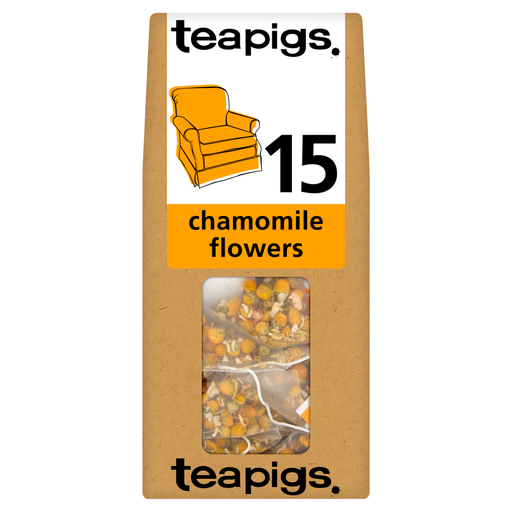
This Teapigs chamomile-flower pack is an option for serving a single-herb tea at afternoon tea; check its preparation and disposal instructions on the pack.
 No image available
Teapigs Chamomile Flowers 15 Tea Bags 180g
A chamomile-flower option for guests who prefer that ingredient to a mixed-herb blend. Check the pack for brewing directions and for instructions on disposing of the bag and wrapper.
View on Joybuy
Frequently asked questions
Are all herbal pyramid teas caffeine-free?
No. Check the exact blend’s caffeine statement and ingredients. Twinings describes Refresh Double Mint as naturally caffeine-free, while Teapigs Cleanse contains green tea; the pyramid shape does not determine caffeine content.
How long should a herbal tea bag brew for afternoon tea?
Follow the directions for the particular tea rather than using one time for every blend. Teapigs specifies at least 3 minutes in boiling water for its peppermint Tea Temples, while Clipper gives 2–5 minutes for its peppermint infusion. Check the pack before preparing several cups for guests.
Can used herbal tea bags go in food waste or home compost?
Check both the exact bag’s instructions and your local collection rules. Pukka states that its tea bags are UK-certified home compostable, but that claim does not apply to every tea bag or automatically tell you how to dispose of its wrapper. The North London Waste Authority also notes that some tea bags contain plastic.
What should a pregnant guest check before choosing a herbal tea?
Check the full ingredients and take account of NHS pregnancy guidance, which advises against drinking more than four cups of herbal tea a day. Teapigs lemon and ginger, for example, lists liquorice root despite its shorter flavour name. A guest with questions about a particular blend can ask their midwife for individual advice.


