Hosts planning 240 afternoon-tea servings
If the serving count is fixed, check both the tea type and the number of bags in each pack. Tesco Groceries lists herbal options in 40- and 80-bag formats, which can be counted out to 240.


For a predictable afternoon-tea service, one herbal flavour keeps ordering straightforward; offer a small mix when guests are likely to want a choice. You can plan exactly 240 servings with three 80-bag packs, six 40-bag packs, twelve 20-bag packs or sixteen 15-sachet packs, provided each pack is the herbal product you intend to serve. Check ingredients as well as the count: Tesco Groceries lists a 240-bag black tea, while Teapigs warns that people with hypertension should limit its liquorice-and-peppermint tea to one cup a day.
If the serving count is fixed, check both the tea type and the number of bags in each pack. Tesco Groceries lists herbal options in 40- and 80-bag formats, which can be counted out to 240.
A shared tea station may need more than one flavour and a clearly identified caffeine-free option. Compare the exact blends and pack sizes before deciding how many of each to order.
Read each blend’s ingredient list and warnings, particularly when tea will be served repeatedly. Teapigs advises people with hypertension to limit its liquorice-and-peppermint tea to one cup a day; that warning is specific to the product, not to every herbal infusion.
Choose the flavour plan first, then calculate the pack quantities and check each product’s tea type and ingredients.
| Priority | What to check | Your needs |
|---|---|---|
| Serving count | Use the stated count for each herbal product. Three 80-bag, six 40-bag, twelve 20-bag or sixteen 15-sachet packs each give 240 bags or sachets. | I need enough herbal servings for the whole service, not merely a carton marked 240. Tesco Groceries describes its 240-teabag product as black tea. |
| Tea type and caffeine | Check the exact product’s herbal or fruit-and-herbal description, ingredients and caffeine statement. Do not apply a range-wide description to every blend. | If guests ask for a caffeine-free option, I want to be able to identify which product meets that request. |
| Flavour plan | Decide between one repeat flavour and a small assortment. For an assortment, record the bag count for each flavour as well as the 240-serving total. | Guests may prefer different flavours, but I still need enough of each one to keep the choice available through service. |
| Ingredients and warnings | Read each blend’s full ingredients and any pack warning, especially for liquorice-containing products. Keep that information accessible where guests choose their tea. | When tea is offered regularly to a group, I need to know which blends call for an individual ingredient check. Teapigs warns that people with hypertension should limit its liquorice-and-peppermint tea to one cup a day. |
A matching count does not establish that the contents are herbal: Tesco Groceries identifies its 240-teabag product as black tea.
Confirm the tea type on the exact product, then calculate the required number of herbal packs from their stated counts.
Blends can have different ingredients and warnings. Teapigs’ liquorice-and-peppermint tea, for example, carries a consumption warning for people with hypertension.
Check each blend separately and make its ingredient information available to guests.
Twelve 20-bag packs give 240 servings, but that figure alone does not show how many bags of each flavour will be available.
Set the quantity for each flavour before ordering and use those counts when replenishing the tea station.
Pukka offers a range of herbal flavours for a mixed afternoon-tea selection.
Twinings offers fruit-and-herbal infusions, including peppermint in an 80-bag format listed by Tesco Groceries.
Clipper lists individual infusions such as peppermint and chamomile for an ingredient-led selection.
Teapigs’ 15-tea-temple peppermint format is an option when individually presented infusions suit the service.
Tesco Groceries lists own-label peppermint and lemon-and-ginger herbal tea in 40-bag packs.
These packs offer individual herbal flavours that can be counted towards a 240-serving afternoon-tea order. Choose one flavour or combine packs, checking the ingredients of each blend.
 No image available
For an afternoon-tea service offering peppermint as one flavour, three 80-bag packs provide 240 bags. Check the pack’s caffeine statement if caffeine-free service is required.
 No image available
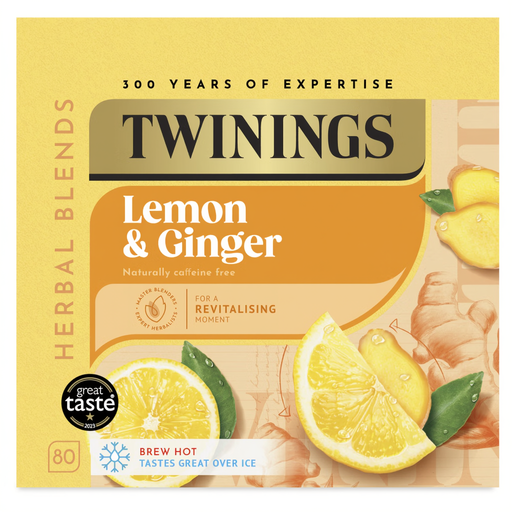
If lemon and ginger suit the menu, three 80-bag packs provide 240 bags of the same flavour. Check the exact blend’s ingredients before including it in a shared selection.
 No image available
Twelve 20-sachet packs provide 240 servings of this chamomile-led blend. It contains liquorice root; check the ingredient and warning information before offering it regularly in a shared tea supply.
 No image available
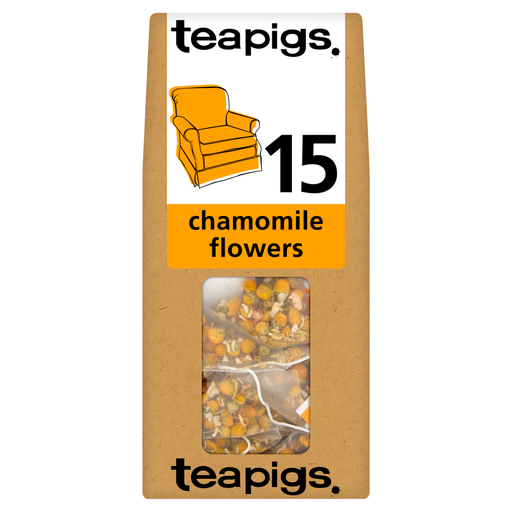
For a chamomile option, sixteen 15-bag packs provide 240 bags. Follow the directions on the pack when preparing it for service.
 No image available
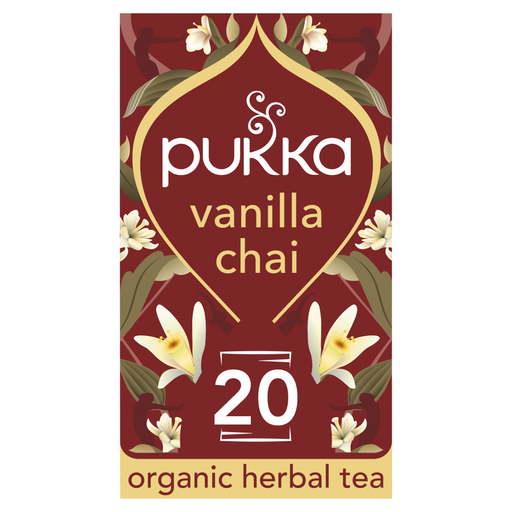
Twelve 20-sachet packs provide 240 servings of this spiced blend. It contains liquorice root, so check its ingredient and warning information before regular shared service; use the pack directions for brewing.
Use three 80-bag packs, six 40-bag packs, twelve 20-bag packs or sixteen 15-sachet packs, checking that every selected product is herbal. A carton marked 240 is not enough to establish the tea type: Tesco Groceries identifies its 240-teabag product as black tea.
Three identical 80-bag packs give 240 bags with relatively few packs to count. Tesco Groceries lists Twinings Peppermint in an 80-bag format; confirm the exact product and flavour when ordering.
Choose a small mix when guests are likely to prefer different flavours. Count bags by flavour, not just across the whole order, and check the ingredients of each blend.
Check the exact product rather than relying on the word ‘tea’. Twinings describes its fruit-and-herbal range as caffeine-free, while Pukka describes its caffeine-free herbal range separately; a product’s own description and ingredients are the useful checks for a particular order.
Read the product’s ingredients and any consumption warning, and keep that information visible to guests. Teapigs states that people with hypertension should limit its liquorice-and-peppermint tea to one cup a day; do not assume that warning applies to every herbal tea or overlook it in a shared supply.