Who is choosing the tea?
The useful starting point is whether the cup is for one established taste, several drinkers or a caffeine-conscious break.
Everyday biscuit-break drinkers
If you make the same tea break regularly, start with a flavour you would enjoy alongside your usual biscuits. Peppermint offers a distinct mint taste, while fruit and spice blends make the drink a more noticeable part of the pairing.
Households with different tastes
A selection box lets people try several flavour directions before choosing a single blend to buy again. Check which varieties are actually in the box rather than assuming every selection includes mint, fruit and spice.
Caffeine-conscious evening drinkers
Choose a blend explicitly described as caffeine-free and check its ingredients. A herbal-sounding name alone does not rule out tea or other caffeinated ingredients.
What should you check?
Choose a flavour direction for the biscuits you usually serve, then check the exact blend’s caffeine statement, ingredients and preparation instructions.
| Priority |
What to check |
Your needs |
| Flavour |
Compare a single-herb infusion with fruit-led or spiced blends. For a mixed box, check the named varieties. |
I’d like the tea to sit quietly alongside a plain biscuit, or I might prefer a brighter or more pronounced drink with a richer one. |
| Caffeine |
Look for a caffeine-free statement on the exact product. Read the full ingredients list for tea, mate or other caffeinated components. |
For an evening break, I want to know whether this particular blend fits my caffeine preference. |
| Ingredients |
Check the complete ingredient and allergen information, especially in blends named after just one herb or fruit. Read any dietary statement on the individual pack. |
A familiar flavour name isn’t enough if I need to avoid an ingredient or check a dietary requirement. |
| Preparation |
Check the bag count or selection-box contents, plus the pack’s water and steeping instructions. Different blends need not brew in the same way. |
When tea is part of my usual break, I want a format and brewing method I’ll use consistently. |
Brand references
These ranges show different ways to explore herbal flavours; the ingredients and caffeine statement still need checking on each product.
Pukka
Pukka lists caffeine-free herbal teas and a Herbal Collection spanning mint, camomile, lemon and ginger flavour directions.
- The collection offers several flavours in one box for drinkers still deciding what they like.
- Choose by the individual blend’s ingredients rather than assuming wellbeing wording describes a practical benefit.
Twinings
Twinings offers fruit-and-herbal infusions, including Strawberry & Elderflower and Lemon & Ginger.
- Its named blends give shoppers fruit-led and ginger-led flavour options.
- Check each ingredients list if you want a single unflavoured herb; a named fruit blend can include flavourings.
Clipper
Clipper’s herbal range includes a peppermint infusion as well as multi-ingredient blends.
- Its Organic Peppermint product lists peppermint as its ingredient, making it a clear example of a single-herb option.
- That simple ingredient list does not apply to every Clipper infusion; Sleep Easy lists several botanicals and flavourings.
Yogi Tea
Yogi Tea presents its range as organic, herbal and wellbeing-focused.
- Its range is worth exploring if you are interested in different herbal and spiced flavour descriptions.
- Check the individual pack’s ingredients and caffeine declaration rather than choosing on wellbeing wording.
Teapigs
Teapigs’ Spiced Winter Red is described by the brand as a caffeine-free rooibos blend with cinnamon, cloves and orange peel.
- It gives shoppers a specifically spiced option; Teapigs describes it as suitable with or without milk.
- A spiced rooibos blend is not interchangeable with plain rooibos. Check the full ingredients if that distinction matters.
Joybuy herbal tea options
These tea-bag options cover ginger and lemon, mint-led blends, a fruit selection and a camomile-flavoured blend for a tea-and-biscuits break.
 Image unavailable
Twinings Lemon & Ginger Tea Bags, 20 Pack
Consider this ginger-and-lemon blend if you want a more noticeable flavour alongside biscuits. The listing describes it as naturally caffeine-free; it also identifies fennel and flavourings, so check the current pack if you avoid either ingredient.
Joybuy
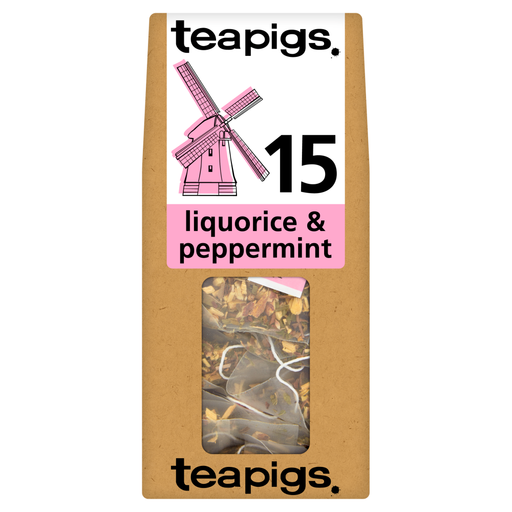 Image unavailable
Teapigs Liquorice & Mint, 15 Tea Bags
Choose this only if you want liquorice as well as mint: it is a different flavour choice from plain peppermint. The listing describes the infusion as caffeine-free and says it is made in a facility that handles nuts; check the current pack’s allergy information if relevant.
Joybuy
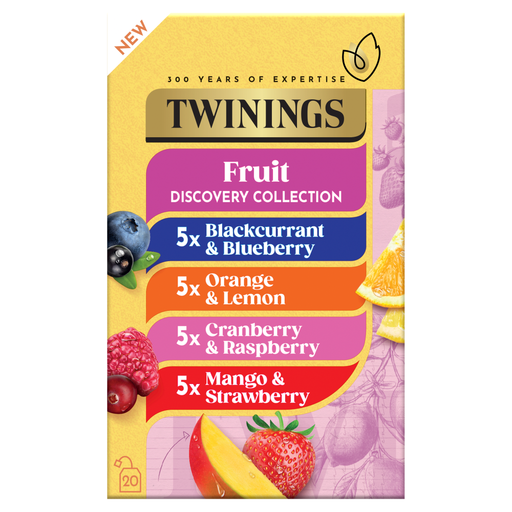 Image unavailable
Twinings Fruit Selection, 20 Tea Bags, 40g
This selection suits a household wanting to try several fruit flavours rather than commit to one. The listing describes four fruit blends and calls the selection naturally caffeine-free; check the box for its individual varieties and brewing instructions.
Joybuy
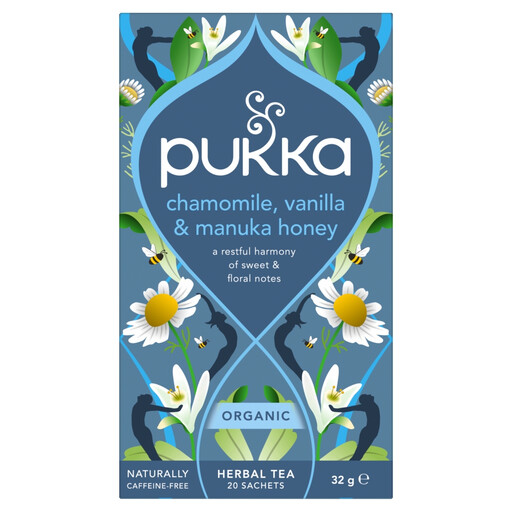 Image unavailable
Pukka Chamomile Vanilla & Manuka Honey, 20 Sachets, 32g
For a floral cup with vanilla and Manuka honey flavour notes, this is a more elaborate choice than plain camomile. The listing describes it as caffeine-free and also identifies fennel and liquorice. Check the current ingredients and pack precautions if allergies, pregnancy or other health concerns are relevant.
Joybuy
 Image unavailable
Twinings Pure Peppermint, 80 Tea Bags
If peppermint is already a regular choice, this larger pack avoids buying a mixed selection for flavours you may not use. The product description identifies peppermint as the sole ingredient and describes the infusion as caffeine-free; follow the current pack’s brewing instructions.
Joybuy
Questions about herbal tea
Are all herbal teas caffeine-free?
No. Some herbal-style blends can include green tea, black tea or mate. If you are avoiding caffeine, check both the caffeine statement and ingredients on the exact pack.
Which herbal tea should I serve with biscuits?
Choose by the flavour you want from the drink: mint or camomile for a simpler cup, fruit for a brighter one, or rooibos and spice for a more pronounced pairing with richer biscuits. If several people will share the box, a mixed selection allows different preferences.
How long should I brew herbal tea bags?
Follow the instructions on the particular pack, because brewing directions differ between blends. Check them before using one familiar steeping time for every tea in a selection box.
Should I check allergens in herbal tea?
Yes, if an allergy or intolerance affects your choice. Read the current pack’s ingredients and allergen information rather than relying on the flavour name, especially with multi-ingredient blends.
Can herbal tea replace medical treatment?
No. NHS Specialist Pharmacy Service advises that complementary products should not replace conventional medicine. If medicines, pregnancy, breastfeeding or a health condition affect your choice of botanicals, seek advice from an appropriate healthcare professional.


