First-home shoppers trying flavours
A mixed box lets you try mint, floral, citrus-ginger and fruit infusions before making room for repeat packs in a new cupboard.


If you do not yet know which herbal tea flavours your household will drink, start with a mixed selection box rather than several full packs. Choose a single blend when you already know the flavour you want; whichever route you take, check the exact ingredients and caffeine statement, particularly when allergies, pregnancy or medicines affect your choice.
The useful starting point is whether you are discovering flavours or buying one you already know you will use.
A mixed box lets you try mint, floral, citrus-ginger and fruit infusions before making room for repeat packs in a new cupboard.
Look for a caffeine statement on the exact infusion rather than assuming every product in the tea aisle meets your needs. Twinings describes its Fruit & Herbal Classic Collection as naturally caffeine-free.
If allergies, pregnancy or medicines affect what you choose, read each blend’s ingredients and allergen information. A flavour name alone does not describe everything in the pack.
Decide how much variety you want first, then check the individual packs for ingredients and suitability.
| Priority | What to check | Your needs |
|---|---|---|
| Flavour variety | Check how many distinct blends are named and how many sachets of each you get. Pukka Herbs UK lists 9 blends in 45 sachets for its Herbal Tea Selection; Twinings UK names four flavours in its 20-envelope Classic Collection. | I would rather try several flavours before choosing a full pack, especially if other people will share the cupboard. |
| Pack commitment | Compare the number of tea bags or sachets as well as the flavours. A large single-flavour pack makes more sense once you know it will be used. | One familiar flavour is enough for me, or I would prefer a smaller trial while I work out what I like. |
| Caffeine | Read the caffeine statement on the exact product. Do not treat a herbal infusion, conventional tea and decaffeinated tea as interchangeable labels. | I want an infusion labelled caffeine-free, rather than choosing by its position on the tea shelf. |
| Ingredients and allergens | Read the full ingredient list and any allergen or cross-contact statement for each blend. The Joybuy listing for teapigs Lemon & Ginger, for example, also names liquorice root and states that it is made in a factory that handles nuts. | A named flavour may contain ingredients I need to check before buying, particularly if an allergy or intolerance is relevant. |
| Botanical blends | Check the individual herbs and spices rather than relying on a mood or wellbeing label. NHS guidance advises caution with herbal remedies in pregnancy and when medicines or certain medical conditions are involved. | I enjoy a more complex blend, but its ingredients and my circumstances matter more than a suggested wellbeing effect. |
A blend’s wellbeing wording does not establish that it treats symptoms or replaces prescribed care. The NHS notes that herbal medicines are not tested in the same way as standard medicines.
Choose tea for its flavour and suitability. Ask an appropriate healthcare professional about symptoms, treatment or possible interactions with medicines.
A lemon-and-ginger or mint blend can contain additional botanicals. Ingredient and cross-contact information may matter even when the front of the pack sounds familiar.
Check the exact pack’s ingredient and allergen information, especially if you need to avoid a particular ingredient.
Mint, camomile, fruit and spice-led infusions taste different; liking one does not tell you which of the others your household will use.
Try a mixed selection or a small number of familiar flavours, then buy more of the blends you actually drink.
Unused sachets also take up cupboard space.
These ranges offer different ways to explore flavours; check the particular collection or pack rather than assuming every product from a brand has the same format.
Pukka Herbs UK lists a Herbal Tea Selection with 45 sachets across 9 blends.
Twinings UK names peppermint, lemon and ginger, camomile, and strawberry and raspberry in its 20-envelope Fruit & Herbal Classic Collection.
Clipper Tea Shop lists individual peppermint and chamomile infusions alongside an Organic Selection Box.
teapigs UK lists individual herbal options including peppermint, lemon and ginger, and chamomile.
Yogi Tea organises its UK organic tea range by flavour as well as mood and occasion.
These are individual herbal infusions and blends, rather than mixed selection boxes. They are most relevant if you already have a flavour in mind or want to try one named blend.
 No image available
A single named flavour to consider if lemon and ginger appeal more than a mixed selection. Check the exact pack for its ingredients and caffeine statement.
 No image available
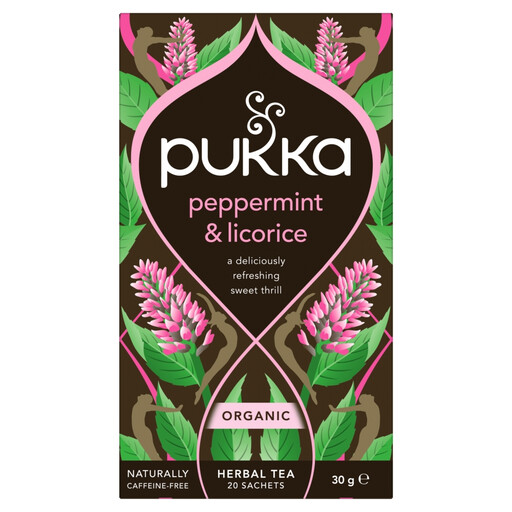
This is one peppermint-and-liquorice blend, not an assortment. Check its ingredients before choosing it: NHS pregnancy food guidance advises avoiding teas containing liquorice root during pregnancy.
 No image available
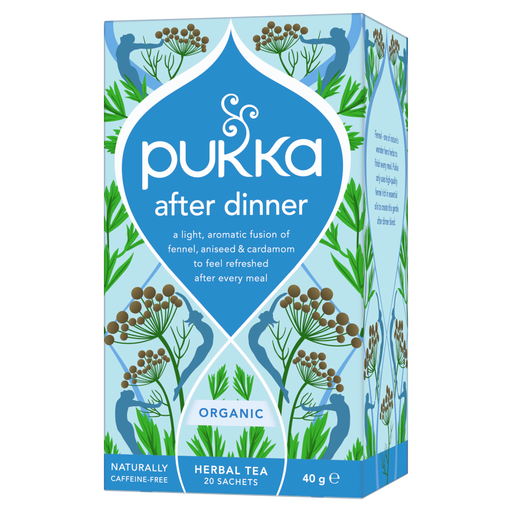
A 20-sachet pack of one named blend rather than several flavours. Read the exact ingredient and allergen information before choosing it, particularly if celery is a concern; the name does not establish a health effect.
 No image available
An 80-bag single-flavour pack to consider when peppermint is already a regular household choice. It is a larger commitment to one flavour than a small trial pack.
 No image available
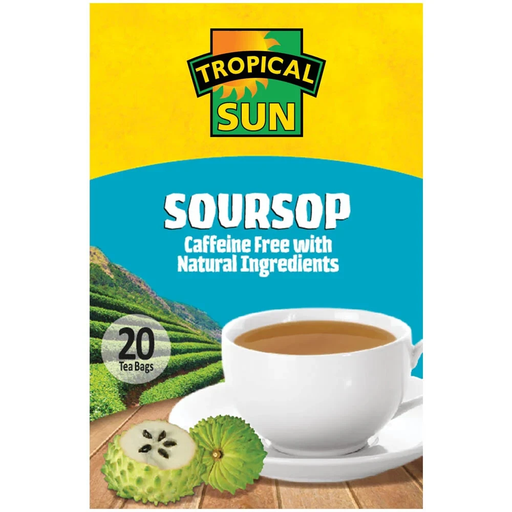
A 20-bag pack to consider if you specifically want to try soursop tea. It will not help you compare several different flavours in the way a mixed selection would.
Choose a selection box if you are still learning which flavours the household likes; choose an individual pack if you already know what you will drink. Pukka Herbs UK lists 9 blends in its Herbal Tea Selection, while Twinings UK names four flavours in its Fruit & Herbal Classic Collection.
Check the exact product’s caffeine statement rather than relying on where it sits in the tea aisle. Twinings describes its Fruit & Herbal Classic Collection as naturally caffeine-free; that statement should not be applied to every tea or blend.
No. Read the full ingredients and allergen information, especially if you have an allergy or intolerance. The Joybuy listing for teapigs Lemon & Ginger, for instance, names liquorice root and includes a statement about a factory that handles nuts.
Check the ingredients of each blend and ask an appropriate healthcare professional about anything that may affect your circumstances. NHS pregnancy food guidance advises no more than four cups of herbal tea a day and avoiding teas containing liquorice root; NHS guidance also cautions that herbal remedies may not be suitable alongside certain medicines.
Compare the number of sachets and the number of flavours you would actually drink. A mixed box lets you sample several blends, while a larger single-flavour pack makes more sense once you know that flavour is a regular choice.