Older adults who prefer a caffeine-free hot drink
Look for a flavour you enjoy, a clear ingredient list and an explicit caffeine declaration. A simple infusion is a drink choice, not a way to add nourishment.


Choose a herbal tea for its flavour and as a drink, not to address poor appetite or unplanned weight loss. A clearly labelled infusion makes ingredients easier to review, but an older person taking regular medicines should check the exact herbs with a pharmacist or clinician before drinking it routinely. If nourishment is the concern, seek advice about food and nourishing drinks rather than relying on tea.
Look for a flavour you enjoy, a clear ingredient list and an explicit caffeine declaration. A simple infusion is a drink choice, not a way to add nourishment.
Tea can offer variety among everyday drinks. If appetite or weight is a concern, keep nourishment separate: North East London Integrated Care Board advises that nourishing drinks should be taken between meals, not used to replace them.
Review every herb in the blend before making it a routine drink. The NHS warns that some herbal products do not mix well with medicines; a pharmacist or clinician can help assess the exact ingredients and medicines involved.
Start with the reason for choosing a drink, then check the pack against that need. If the concern is nourishment rather than flavour or fluid intake, changing herbal blends is not the answer.
| Priority | What to check | Your needs |
|---|---|---|
| An enjoyable drink | Check the stated flavour, caffeine declaration and preparation instructions. Account for any individual advice about fluid intake. | I want a hot drink I enjoy as part of my fluids, without assuming every tea is caffeine-free. |
| Ingredient review | Read the full ingredient list, especially on blends named for sleep or other effects. If medicines are involved, ask a pharmacist or clinician about the exact herbs before routine use. | When I take regular medicines, I want to know what is in the cup rather than rely on the blend’s name. |
| Nourishment | Check brewed-drink nutrition values on the relevant product. For poor appetite or unplanned weight loss, ask about food and appropriate nourishing drinks rather than substituting tea. | I need help with eating enough, so a pleasant infusion must not take the place of food or a drink chosen for nourishment. |
Tea may provide a welcome drink without addressing poor appetite or unplanned weight loss. Age UK cautions that reduced appetite and unplanned weight loss should not be dismissed as normal ageing.
Keep meals in place and ask a healthcare professional about suitable food or nourishing drinks, particularly if weight loss is sudden or continuing.
A name referring to sleep or immunity does not tell you whether its herbs suit someone’s medicines. For example, Clipper lists several botanicals, including valerian root, in its Sleep Easy infusion.
Read the entire ingredient list and ask a pharmacist or clinician about routine use if medicines or relevant health conditions are involved.
Liquorice deserves particular attention when someone has high blood pressure, heart disease or takes medicines. Guidance from Collingwood Surgery discusses risks from black liquorice; it does not establish a safe number of cups of liquorice-root tea.
If a blend contains liquorice root, check the exact product with a pharmacist or GP in those circumstances rather than estimating a safe serving from the flavour.
These examples show why the ingredient list matters more than a brand name alone; different infusions from the same brand can contain different herbs.
Clipper lists chamomile (100%) for its Organic Chamomile Infusion. Its Sleep Easy infusion has a different, multi-herb ingredient list.
Twinings provides brewed-infusion nutrition information for Pure Camomile, allowing a closer look at what the prepared drink contributes.
Teapigs describes its Peppermint Tea as pure peppermint leaves and naturally caffeine-free.
Pukka’s Elderberry & Echinacea is a naturally caffeine-free fruit-and-herb blend containing several botanicals.
These herbal tea options suit a search for a drink with a preferred flavour. Check each current pack for its ingredients and caffeine declaration; none should be chosen in place of food or a nourishing drink when nutritional intake is the concern.
 No image available
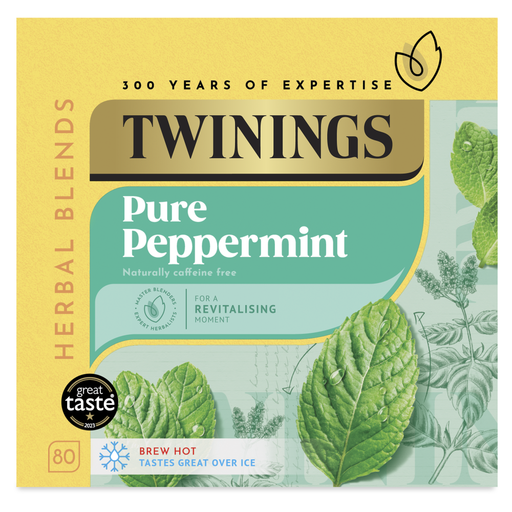
For someone who enjoys peppermint, this 80-pack is an option to compare with other herbal flavours. Check the current pack’s ingredients and caffeine declaration; ask a pharmacist about routine use if medicines are involved.
 No image available
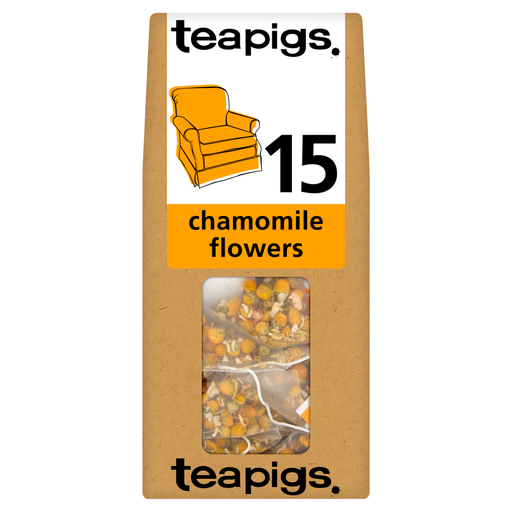
Consider this 15-bag chamomile option if that is the flavour the person prefers. Review the current ingredient list and preparation instructions, and check medicine suitability before routine use.
 No image available
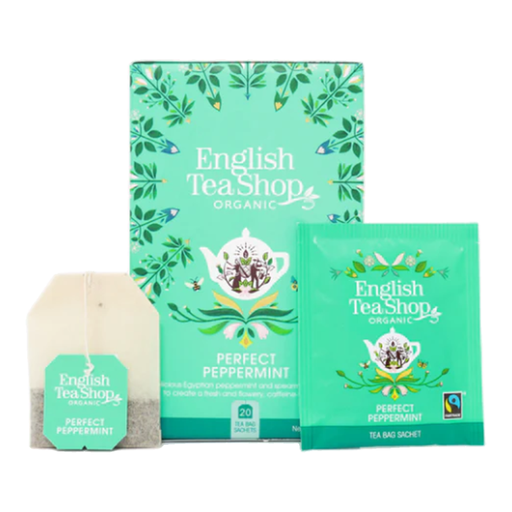
This 20g peppermint-named option is worth comparing if mint flavour appeals. Read the current pack to identify every herb in the blend and confirm its caffeine declaration before choosing it as a regular drink.
No image available
For someone interested in soursop tea, this pack contains 20 tea bags. Check the current ingredients and preparation directions; seek advice before routine use where medicines or health conditions could affect the choice.
 No image available
Choose a lemon-and-ginger flavour only if the person enjoys it and the full blend suits their circumstances. This 20-pack has more to check than its flavour name: review every ingredient and ask about medicine suitability before regular use.
Do not use it in place of food or a drink chosen for nourishment. Twinings lists 2 kcal and 0 g protein per 100 ml for its Pure Camomile infusion prepared under its stated brewing conditions; other products need their own labels checked. If appetite is poor or weight loss is unplanned, ask a healthcare professional about appropriate food and nourishing drinks.
It can be included among everyday drinks if the person enjoys it and has no individual restriction on fluids. Check the product’s caffeine declaration and follow any personalised fluid advice rather than using a general target in place of it.
Yes, especially before drinking a multi-herb blend routinely. The NHS warns that some herbal products do not mix well with medicines; show a pharmacist or clinician the complete ingredient list and the medicines being taken.
Check the exact product with a pharmacist or GP if the person has high blood pressure, heart disease or takes regular medicines. Collingwood Surgery’s warning about black liquorice does not provide a serving-specific limit for liquorice-root tea, so it should not be converted into a number of cups.
No. Choose a herbal tea by its ingredients and suitability as a drink, not by treating a name as evidence that it will manage a condition. If a health problem is the reason for considering a blend, seek appropriate clinical advice.