For a weekday breakfast without caffeine, choose peppermint if you want a straightforward mint flavour, or consider honeybush and rooibos if you prefer a blend that Teapigs says can be served with or without milk. Fruit, ginger and spice blends offer other flavour choices, but a herbal infusion will not provide the caffeine associated with conventional breakfast tea. Check the individual pack’s caffeine statement and ingredients before making a blend part of your regular routine.
Who might prefer herbal tea at breakfast?
People avoiding caffeine in the morning
If you want to alternate with conventional breakfast tea, a product identified as a caffeine-free herbal infusion is a starting point. Check the exact pack rather than assuming every drink called tea is caffeine-free.
People choosing by morning flavour
Peppermint, honeybush with rooibos, and fruit-and-spice blends offer different directions for a repeat weekday cup. Decide whether you want mint, a drink you can serve with milk, or a more fruit- or spice-led flavour.
People scrutinising ingredients
A single-herb infusion gives you fewer botanicals to assess than a mixed blend. If particular ingredients, medicines or a health condition affect your choice, read the full ingredient list and seek advice about the specific product where needed.
What should you check before choosing a blend?
Decide first whether you want to avoid caffeine or keep the familiar character of breakfast tea. Then compare flavour, ingredients and preparation for the mornings when you will actually drink it.
| Priority |
What to check |
Your needs |
| Caffeine |
Read the individual product’s caffeine statement and ingredients. Twinings presents its fruit-and-herbal range as an alternative to traditional tea, but a tea-containing blend needs its own check. |
I want a hot breakfast drink without relying on the caffeine in conventional tea. |
| Flavour and serving |
Compare peppermint with honeybush and rooibos or fruit-and-spice blends. Teapigs says its honeybush-and-rooibos blend can be served with or without milk. |
A mint cup appeals to me, or I would rather have a blend I can serve with milk. If I want the familiar taste of black breakfast tea, a herbal infusion may not meet that need. |
| Ingredients |
Read the full list, particularly on mixed-botanical or liquorice-containing products. Check flavourings and any ingredients you need to avoid rather than judging by the blend name. |
For a drink I may make most mornings, I want to know what is in it before settling on a larger pack. |
| Preparation |
Check whether the product uses tea bags or loose tea, and follow its brewing directions. Compare pack sizes only once you know you like the flavour. |
On workdays, I may prefer a tea bag; I can allow for measuring and straining if I choose loose tea. |
What can make a breakfast blend unsuitable?
-
Assuming anything called tea is caffeine-free
Conventional tea and herbal infusions are not interchangeable when caffeine matters. Twinings notes that caffeine in tea varies with the type of tea and brewing conditions.
Choose a product specifically identified as caffeine-free and check its ingredients and pack statement.
-
Choosing by a wellbeing-led name alone
A name does not tell you every botanical in a blend or establish a treatment effect. Mixed infusions may contain several herbs, spices and flavourings.
Choose by flavour and the full ingredient list. If a botanical raises questions because of a medicine or condition, ask a qualified professional about that product.
-
Making a liquorice blend an unchecked daily choice
Collingwood Health Group’s NHS-linked guidance warns about substantial black-liquorice consumption and notes possible interactions with medicines, herbs and supplements. That guidance does not establish the liquorice amount in a particular infusion.
Check whether liquorice root is present. If you have high blood pressure, a heart condition or concerns about medicine interactions, ask a GP or pharmacist about regular use of the specific blend.
-
Buying a large mixed pack before choosing a flavour
Mint, honeybush and rooibos, and fruit-and-spice infusions offer different flavours and serving styles. A pack can go unused if its blends do not suit your breakfast routine.
Try a smaller pack or a selection whose contents you can check before committing to more of one flavour.
Which brands offer relevant infusions?
Pukka
Pukka Herbs describes an organic range with mint, ginger, chai-style and chamomile blends.
- Several blend styles to compare for a morning cup.
- Pukka says many of its herbal teas contain no caffeine; check the individual product rather than applying that statement to every blend.
Twinings
Twinings offers fruit-and-herbal infusions alongside conventional tea and describes the infusion range as a caffeine-free alternative.
- Fruit, herbs and spices provide flavour options beyond a single-herb infusion.
- Check the particular product’s ingredients and caffeine statement when choosing between an infusion and conventional tea.
Clipper
Clipper describes its organic herbal-infusion range as caffeine-free; it includes peppermint, chamomile and lemon-and-ginger varieties.
- Its range includes straightforward flavour choices such as peppermint.
- A sleep-oriented product name is not, by itself, a reason to choose that blend for breakfast.
Teapigs
Teapigs lists a pure-peppermint infusion and a honeybush-and-rooibos blend.
- The peppermint product lists pure peppermint leaves; Teapigs says its honeybush-and-rooibos blend can be served with or without milk.
- These are different ingredients and flavours, so choose between them by the cup you want rather than treating them as substitutes.
Yogi Tea
Yogi Tea describes a collection spanning spiced herbal blends as well as green and black teas.
- Relevant if spices and multi-botanical flavours appeal to you.
- The wider collection includes tea-containing products; check caffeine status and ingredients on the chosen pack.
Tesco
Tesco lists an own-label peppermint infusion in tea bags and describes that product as naturally caffeine-free.
- A named peppermint tea-bag option to compare with mixed blends.
- Check the current product details and whether the pack suits your routine before ordering.
Herbal tea options on Joybuy
These options include mint, ginger-led and other botanical infusions for a weekday cup. Compare their ingredients and preparation with your preferred morning flavour; the list is not a ranking of every blend style discussed above.
 No image available
Twinings Lemon & Ginger Tea Bags, 20 pack
A lemon-and-ginger option if you prefer those flavours to mint at breakfast. The pack contains 20 tea bags; check its caffeine statement and full ingredients if either affects your choice.
View on Joybuy
 No image available
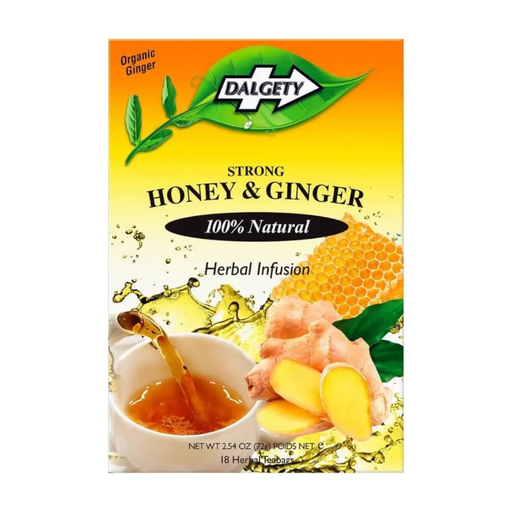
Dalgety Honey & Ginger Tea, 72g
A honey-and-ginger choice for someone considering a different flavour from plain peppermint. This is a 72g pack; the listed blend includes honey crystals and sucrose, so check the ingredients and nutrition label, including its serving basis, if sugar intake matters to you.
View on Joybuy
 No image available
Twinings Pure Peppermint Tea, 80 pack
Consider this peppermint option if you want a mint-led weekday cup rather than a fruit or ginger blend. It comes in an 80-pack; check the pack ingredients and caffeine statement if those are deciding factors.
View on Joybuy
 No image available
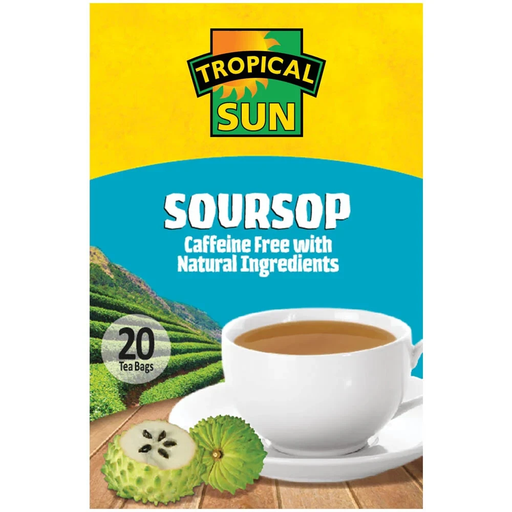
Tropical Sun Soursop Tea, 20 tea bags
A soursop option if you want to consider a botanical other than the mint and ginger blends shown here. The pack contains 20 tea bags; check the ingredients and ask a qualified professional about this particular botanical if medicines or a health condition affect your choice.
View on Joybuy
 No image available
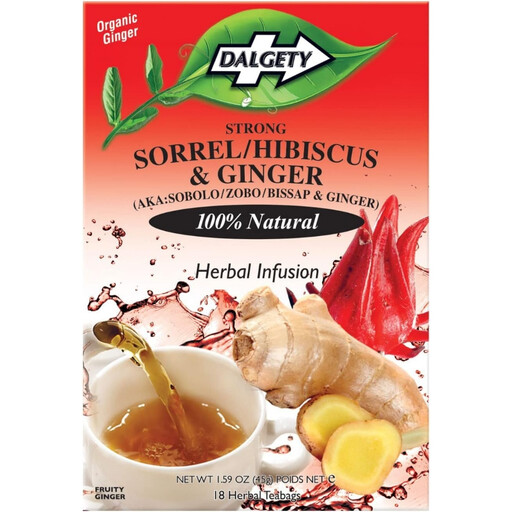
Dalgety Sorrel, Hibiscus & Ginger Tea, 45g
Consider this sorrel, hibiscus and ginger blend if those flavours appeal more than plain mint. The 45g loose-tea format requires measuring and straining, an extra step to allow for on weekday mornings.
View on Joybuy
Frequently asked questions
Can herbal tea replace breakfast tea?
It can replace your morning hot drink if you want botanical flavour without the caffeine associated with conventional breakfast tea. It is not a like-for-like choice if you want black tea’s flavour or caffeine; check the exact infusion’s pack statement when avoiding caffeine matters.
Which flavour should I try first for weekday breakfasts?
Try peppermint if a straightforward mint flavour appeals to you. If you want a drink you can serve with or without milk, Teapigs describes that option for its honeybush-and-rooibos blend; choose a fruit-, ginger- or spice-led infusion if those flavours appeal more.
Does a sleep- or calmness-themed blend belong at breakfast?
Choose it for its ingredients and flavour only if they suit your morning routine, not for an assumed treatment effect from its name. Read the full ingredient list, particularly if you need to assess a specific botanical.
What should I check before drinking liquorice tea regularly?
Check whether the blend contains liquorice root and ask a GP or pharmacist about the specific product if you have high blood pressure, a heart condition or concerns about medicine interactions. Collingwood Health Group’s NHS-linked guidance warns about substantial black-liquorice consumption and possible interactions, but it does not establish how much liquorice is in an individual tea.


