Hotels serving many breakfast guests
A regularly chosen flavour may justify a higher-count pack. Plan where staff will keep its carton and ingredient information when bags are moved to the self-service station.


For a UK hotel breakfast buffet, choose a high-count catering pack when demand for one herbal flavour is predictable, or a mixed box when guests need more choice in smaller quantities. Individually enveloped bags make a self-service display easier to manage than unlabelled loose bags in a jar, but the hotel must still keep accurate allergen information accessible to guests.
The right format depends on how quickly each flavour is used and how clearly guests can identify what is in their cup.
A regularly chosen flavour may justify a higher-count pack. Plan where staff will keep its carton and ingredient information when bags are moved to the self-service station.
A mixed box lets guests choose between blends without opening a separate large pack of each one. Check how each flavour will be identified once the box is no longer beside the display.
A decorative jar cannot replace accurate product information. The Food Standards Agency’s guidance for England, Northern Ireland and Wales and Food Standards Scotland’s guidance both address access to mandatory allergen information, including for food and drink offered at a buffet.
Choose the pack format around demand for each flavour, then check whether the proposed display keeps the tea identifiable and its information accessible.
| Priority | What to check | Your needs |
|---|---|---|
| Pack format | Compare the bag count with expected use of each flavour. Clipper lists a 250-envelope peppermint catering pack; Twinings lists a 20-envelope, four-blend Herbal Discovery Collection. | For a frequently chosen peppermint option, I would rather replenish from a catering pack. If demand varies by flavour, a smaller mixed box may be easier to manage. |
| Flavour choice | Check the actual blends and quantities, not just the number of names on the box. Pukka lists 45 sachets across nine blends in its Herbal Tea Selection. | I want guests to have a choice, but I also need to notice when one blend runs out while others remain. |
| Tea identification | Check whether bags are individually enveloped and whether the blend name remains clear at the point of selection. Twinings says each bag in its Herbal Discovery Collection has its own envelope. | If the outer box is put away, I still need guests and staff to tell the blends apart. Loose, unlabelled bags in one jar would make that harder. |
| Ingredients and allergens | Keep an accurate product reference available when tea is displayed away from its carton. The Food Standards Agency’s guidance for England, Northern Ireland and Wales and Food Standards Scotland’s guidance cover mandatory allergen information for food businesses. | When someone asks what a blend contains, I need the correct information for that product, including when the tea is complimentary. |
| Jar and storage | Before buying a jar, check its food-contact suitability, capacity, cleaning requirements and labelling arrangement. Keep the displayed tea and its retained packaging protected from heat and moisture. | I want a tidy self-service station without losing track of which tea is in each container or how the stock should be stored. |
Most display problems arise when the tea is separated from the box that identifies it.
Without a reliable link between each tea and its packaging, staff may struggle to give accurate ingredient or allergen information, particularly for blends.
Keep the original packaging and an accurate product reference accessible to buffet staff; update the reference when the product or supplier changes. The Food Standards Agency and Food Standards Scotland both require food businesses to make mandatory allergen information available to consumers.
At a busy buffet, a frequently chosen flavour may need repeated replenishment, while less-used blends remain in partly opened boxes.
Estimate use by flavour. Consider a catering-format pack for a predictable core choice and a smaller assortment where demand for individual blends is less certain.
Blends have different ingredients and may carry product-specific cautions. Twinings says its Spiced Ginger blend contains liquorice and carries a warning concerning excessive consumption by people with hypertension.
Show the correct blend name, retain its ingredient details and review any caution on the specific pack rather than using one description for the whole tea station.
A retail listing does not establish the pack size, delivery arrangements or continuing supply a hotel needs for recurring breakfast service.
Before placing a repeat order, confirm unit counts, best-before dates and business delivery arrangements with the supplier.
These brand examples illustrate different pack and flavour approaches; they are not a list of products available in the Joybuy selection below.
Clipper Tea Shop lists Organic Peppermint Infusion in a 250-envelope catering pack, a format to consider for a regularly used single flavour.
The Herbal Discovery Collection contains 20 envelopes across four blends; Twinings says every bag is sealed in its own envelope.
Pukka Herbs UK lists a Herbal Tea Selection with 45 sachets across nine blends.
Teapigs lists herbal varieties including peppermint, chamomile, lemon and ginger, rooibos and fruit blends.
Tesco is a retailer rather than a herbal-tea manufacturer; its grocery listings include products from several of the named brands.
These Joybuy options include single-flavour mint and lemon-and-ginger teas, a fruit selection and a soursop-and-moringa blend. Compare their stated pack sizes with your breakfast demand, and check how each product will be identified if displayed in a jar.
 No image available
A single peppermint choice in an 80-pack may suit a flavour used regularly at breakfast. Check the individual bag presentation before planning a jar display, and keep its ingredient information accessible.
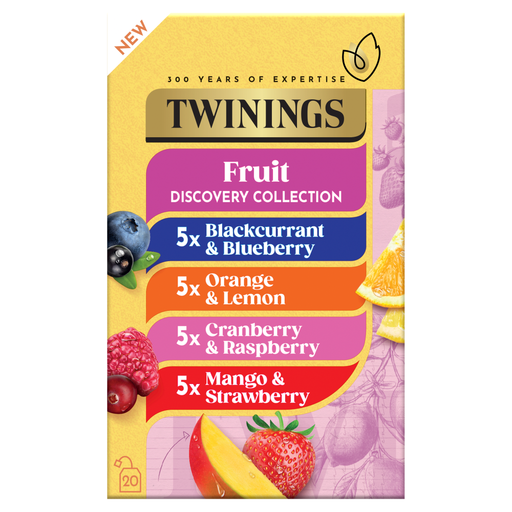 No image available
This 20-bag, 40g selection offers a fruit-tea option for a buffet seeking variety. Check how the individual blends are identified when displayed and whether the pack count suits your replenishment schedule.
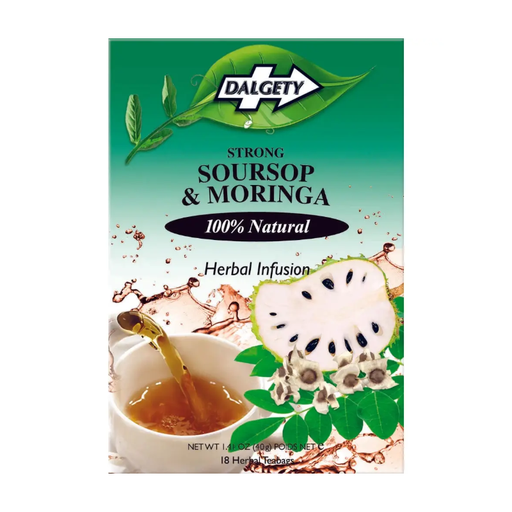 No image available
This 40g soursop-and-moringa tea is a named alternative to mint or fruit selections. Keep its blend name and ingredient information available when placing it at a self-service station.
 No image available
This 20-pack adds a lemon-and-ginger choice alongside other buffet teas. Check the bag presentation before using a jar, and plan replenishment around demand for this particular blend.
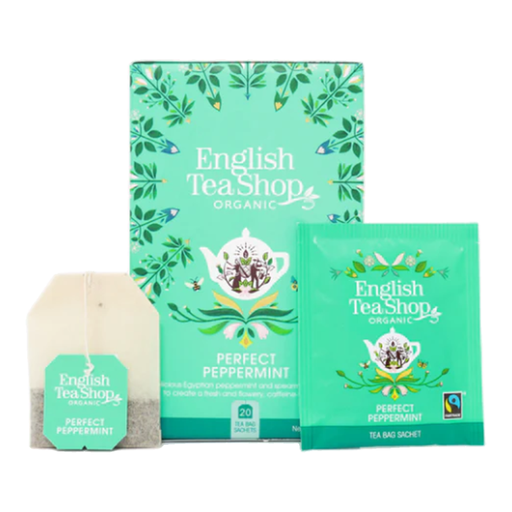 No image available
This 20g peppermint product offers another named mint choice. Confirm the number of bags and how they are wrapped before using the pack size to plan buffet replenishment or a jar display.
Yes, a jar can be used as a display vessel if it is suitable for the intended food contact and guests can still identify the tea. Keep accurate ingredient and mandatory allergen information accessible: the Food Standards Agency’s guidance for England, Northern Ireland and Wales, and Food Standards Scotland’s guidance, do not treat a self-service display as a substitute for that information.
Individually enveloped bags can be easier to manage when tea is displayed away from its outer box, although you should check whether each envelope identifies its blend. Twinings says every bag in its Herbal Discovery Collection is separately enveloped, and Clipper lists a 250-envelope peppermint catering pack. Either way, retain accessible ingredient and allergen information.
Use a larger single-flavour pack when demand for that flavour is predictable; use a mixed selection when demand differs across blends or guests need more choice. Clipper lists 250 envelopes of peppermint, while Twinings lists four blends in 20 envelopes and Pukka lists nine blends in 45 sachets. Plan replenishment by flavour rather than treating those packs as interchangeable.
Yes. Check the ingredients and any caution for each named blend rather than applying one description to all herbal tea. Twinings states that its Spiced Ginger blend contains liquorice and carries a warning concerning excessive consumption by people with hypertension.
Food Standards Scotland states that food businesses must provide allergen information for both prepacked and non-prepacked food and drink, including information about any of the 14 allergens that must be declared when used as ingredients. Keep the information accurate and available for the particular tea and the way it is presented.