
24/7 Customer Support

Free returns

Same-day & Next-day Delivery

Quality Guaranteed

Unlock Your Welcome Offers: FREE Delivery | Up to 80% OFF | Free 30-day JoyPlus trial
Download the APP
As a Joybuy Product Recommendation Officer, my role is to help you navigate the crowded shelves of wellness products. The world of herbal tea is a perfect example. It’s filled with colourful boxes and appealing promises, but not all brews are created equal. Many of us reach for a comforting cup to unwind, soothe a niggle or simply enjoy a caffeine-free tea alternative. However, it's easy to choose a product that doesn't quite deliver on its promise.
This guide will help you sidestep the common purchasing pitfalls and show you what to look for to find a truly satisfying and beneficial herbal infusion.
Before you add that next box of tea to your basket, be aware of a few marketing tactics and product shortcomings that can lead to disappointment.
slimming tea and detox tea are powerful marketing buzzwords. While some blends contain ingredients that can support a healthy lifestyle, others rely on potent laxatives like senna. Overuse of such ingredients can lead to digestive discomfort and is not a sustainable or healthy approach to well-being. Always check the ingredients for laxative herbs and consider if they are appropriate for your intended daily use.To ensure you're getting a high-quality wellness tea, focus on these three core parameters.
The quality of a herbal tea is directly linked to its contents. Look for blends that prioritise whole or large-cut ingredients.
Many people seek out a functional tea for a specific purpose, such as a sleep tea or a digestive tea. These blends often contain specific botanicals or added vitamins.
A true herbal tea—also known as a 'tisane'—is made purely from botanicals, fruits and spices and contains no caffeine. However, some "wellness" blends use a base of green or black tea, which naturally contains caffeine. If you are looking for a completely caffeine-free tea, double-check that the ingredients list does not include Camellia sinensis (the tea plant).
Instead of a generic list, we've matched some excellent options to different needs and preferences.

Why This Fits Their Persona: This blend is crafted for those seeking a soothing ritual to end their day. The combination of spiced apple, vanilla and chamomile creates a comforting, warm profile perfect for a pre-bedtime routine. It's a purpose-built sleep tea.
It avoids the "flavouring" trap by using a substantial base of real botanicals like Passionflower (35%) and Camomile (14%), with flavourings used to complement, not replace, the core ingredients.
A carefully balanced flavour that is sweet and spicy, making it more palatable than purely medicinal-tasting sleep blends. Naturally caffeine-free.
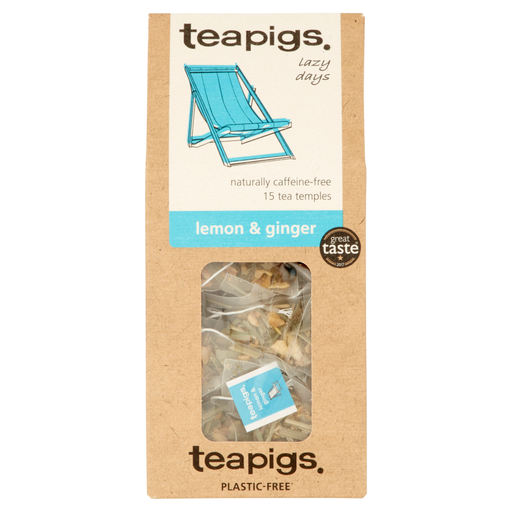
Why This Fits Their Persona: For those who prioritise ingredient quality and are happy to invest in a superior brew. This is an ideal digestive tea or a warming brew for when you're feeling under the weather, a classic tea for colds.
It directly counters the "dust in a bag" problem. The brand's signature "tea temples" are roomy and biodegradable, showcasing the large, whole pieces of ginger (65%) and lemongrass. You can see the quality.
Uses high-quality, whole ingredients for a fiery and zesty flavour that is much more potent than powdered equivalents. The brand is also a certified B Corp, appealing to ethically-minded consumers.
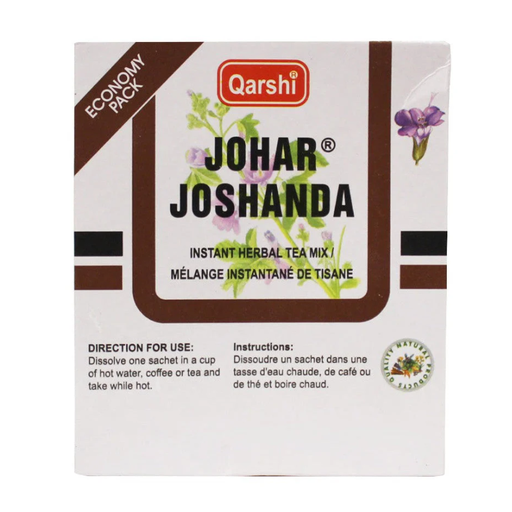
Why This Fits Their Persona: This is for someone who trusts traditional remedies and is looking for a targeted tea for colds, coughs and throat irritation. It's not a casual daily drink, but a functional brew for when you feel a cold coming on.
It sidesteps vague "wellness" claims by being a specific, traditional Unani herbal remedy with a stated purpose. The ingredients like liquorice, vasaka and hyssop are chosen for their roles in traditional respiratory support.
A time-honoured formula designed for soothing relief from cold and flu symptoms. The instant-dissolving granules make it quick and easy to prepare when you're not feeling your best.
We have compiled a complete, real-time list of products that fully satisfy these strict selection criteria and UK safety regulations.
For most common herbal teas like peppermint, chamomile or ginger, daily consumption is generally considered fine for healthy adults. However, for functional tea blends, especially those marketed as slimming tea or containing potent herbs, it's wise to follow the package instructions. Moderation is key, and it's always a good idea to vary the types of herbal teas you drink.
Unopened herbal tea is best consumed before the date on the packaging, typically within 1-2 years. Once opened, store it in a cool, dark and dry place in an airtight container to protect it from moisture, light and strong odours. This helps preserve its flavour and aroma for several months.
A true herbal tea is an infusion of herbs, spices and botanicals like peppermint, chamomile, or rooibos. A 'fruit tea' is primarily made from a blend of dried fruit pieces, often with hibiscus as a base to give it a tart flavour and red colour. Both are typically caffeine-free, but their flavour profiles are quite different—herbal teas are more earthy and floral, while fruit teas are sweet and tangy.