
24/7 Customer Support

Free returns

Same-day & Next-day Delivery

Quality Guaranteed

Unlock Your Welcome Offers: FREE Delivery | Up to 80% OFF | Free 30-day JoyPlus trial
Download the APP
Navigating the world of herbal tea can feel overwhelming. Shelves are filled with colourful boxes promising everything from a better night's sleep to a complete "detox." But as many of us have discovered, not all brews live up to the hype. As a Joybuy Product Recommendation Officer, my role is to help you see past the marketing and make choices that genuinely suit your needs and budget.
Many shoppers find themselves disappointed with a weak, flavourless tea or, conversely, a drink that's surprisingly high in sugar. Let's look at the common pitfalls to avoid before you put the kettle on.
To ensure you're getting a quality product, focus on these key parameters. They are far more telling than the claims on the front of the box.
This is the most important factor. A high-quality herbal tea will have a simple, clear ingredient list.
The format affects convenience, quality and cost.
Instead of a generic list, we've matched some standout options to specific needs and lifestyles you might recognise.

Why This Fits Their Persona: This person is looking for a simple, reliable ritual to help them switch off after a busy day. They need a dedicated tea for sleep that is caffeine-free and has a pleasant, soothing flavour profile to incorporate into their nightly routine.
It avoids the "wellness" trap by using a specific, targeted name ("Sleep") and backing it up with a clear ingredient list featuring herbs traditionally associated with relaxation, like Passionflower (35%) and Camomile (14%), with percentages clearly stated.
A carefully crafted blend of spiced apple, vanilla, passionflower and camomile creates a comforting and aromatic experience. It's a purpose-built calming tea from a reputable brand.
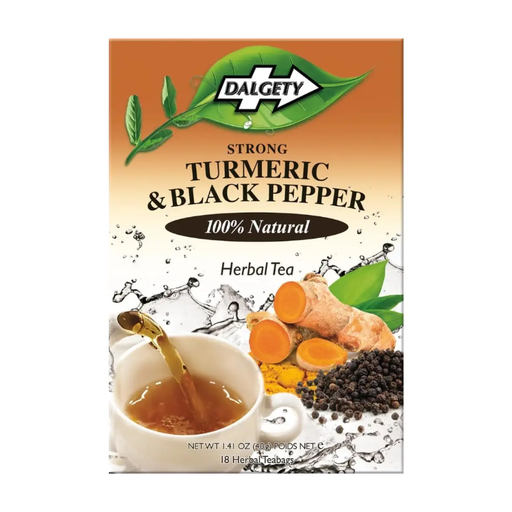
Why This Fits Their Persona: This individual is health-conscious and interested in functional foods. They've heard about the properties of turmeric and are looking for an easy, enjoyable way to incorporate it into their diet. They appreciate purity and a focus on functional ingredients over complex flavours.
It completely avoids the flavouring illusion. The ingredient list is as straightforward as it gets: Turmeric, Black Pepper. There are no fillers, sugars or artificial additives, ensuring you get exactly what is advertised—a pure, functional wellness tea.
This blend thoughtfully includes black pepper, which contains piperine, a compound known to support the absorption of curcumin from turmeric. It's a 100% natural, caffeine-free and functional spice blend.
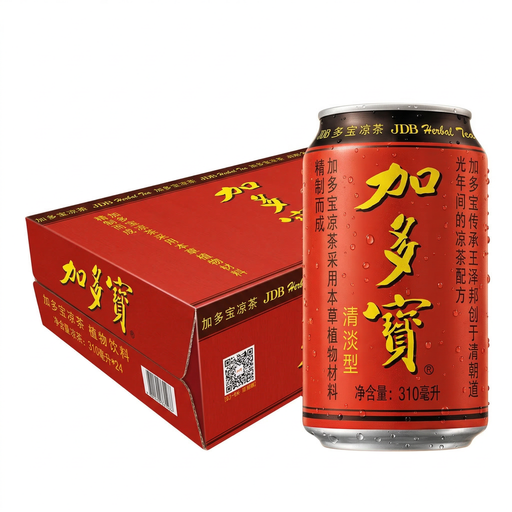
Why This Fits Their Persona: This user is either familiar with traditional Chinese herbal tea or is curious to try an authentic, globally recognised brand. They are looking for a refreshing, ready-to-drink beverage to enjoy with meals, especially spicy food, and appreciate its cultural heritage.
While it contains sugar, it avoids the "hidden sugar" trap through transparency. It's not marketed as a zero-calorie health drink but as a traditional, refreshing beverage where sweetness is part of the classic formula. The key is knowing what you're buying: a cooling drink, not a diet infusion.
This is an iconic brand with an authentic herbal formula including Mesona Chinensis, chrysanthemum and honeysuckle. It's ready-to-drink, offering ultimate convenience and a consistent, classic taste that is best served chilled.
We have compiled a complete, real-time list of products that fully satisfy these strict selection criteria and UK safety regulations.
Certain herbal ingredients have been traditionally used for generations to provide comfort during a cold. A tea for colds often contains ingredients known for their soothing properties. For instance, ginger tea is widely consumed for its warming effect, while licorice and mint can help soothe an irritated throat. Blends like Qarshi Johar Joshanda are specifically formulated with a mix of herbs for this purpose. While they are not medicines, many people find a warm cup to be a great source of relief for symptoms like a scratchy throat or congestion.
The vast majority are. Teas made purely from flowers (camomile), leaves (peppermint, soursop tea), roots (ginger) and spices (turmeric) are naturally free of caffeine. However, you should always check the label on blended teas. Some "energy" or "focus" blends may incorporate green tea, black tea or yerba mate, all of which contain caffeine. If you are sensitive to caffeine or want a tea for relaxation, look for the "caffeine-free" confirmation on the packaging.
The terms are often used interchangeably, but there can be a key difference. A pure herbal tea is an infusion of one or more botanicals like herbs, spices or roots. Fruit and herbal infusions, on the other hand, often feature dried fruit pieces as a primary component. While delicious, these can sometimes rely more on "natural flavourings" to achieve their taste and may have a higher natural sugar content from the fruit. If your goal is a functional, zero-sugar beverage, a pure herbal tea is often the more direct choice.