
24/7 Customer Support

Free returns

Same-day & Next-day Delivery

Quality Guaranteed

Unlock Your Welcome Offers: FREE Delivery | Up to 80% OFF | Free 30-day JoyPlus trial
Download the APP
Choosing herbal tea should be simple: identify the flavour, check the ingredients and select a pack size that suits your routine. However, attractive packaging and vague wellness language can make comparison difficult. UK shoppers may end up paying more for a small box, choosing a blend that does not suit their dietary needs or assuming that a traditional ingredient delivers a guaranteed health outcome.
This guide explains the practical details to check before buying, followed by Our Top Recommendations for 2026 for different drinking habits.
Peppermint, chamomile and liquorice-based drinks are generally herbal infusions rather than tea made from Camellia sinensis. This distinction matters because green, black and white tea naturally contain caffeine, while many pure herbal blends are caffeine-free.
A blend containing green tea, such as Moroccan mint tea, should not automatically be treated as caffeine-free. Always check the ingredient list rather than relying on words such as “natural”, “refreshing” or “wellness tea”.
Natural ingredients can still be unsuitable for some people. Liquorice root, for example, is accompanied by a warning on some products for people with high blood pressure. Chamomile may also be unsuitable for people sensitive to plants in the daisy family, while products containing celery derivatives require careful label checking.
Herbal tea is a drink, not a replacement for prescribed treatment. If you are pregnant, breastfeeding, taking medication or managing a health condition, check the packaging and seek appropriate professional advice before choosing concentrated or unusual blends.
A premium-looking box may contain only 15 or 20 tea bags. Compare the number of servings, total weight and whether the bags are individually wrapped. Loose herbal tea can offer flexibility, but it requires an infuser and careful storage. Ready-to-drink herbal tea is convenient, although it may contain sugar.
For example, a 24-pack of 310ml cans is convenient for keeping in the fridge or serving with meals, but the listed nutrition for the Mid-Autumn Festival Herbal Tea includes 5g of sugar per 100ml. It is therefore a different choice from an unsweetened peppermint infusion.
The first ingredient is usually present in the largest proportion. A product made with 100% peppermint will offer a more direct mint flavour than a multi-herb bedtime tea containing chamomile, lavender, liquorice and valerian.
Useful comparisons include:
If you are avoiding caffeine, look for a clear “caffeine-free” statement or a formulation made entirely from caffeine-free herbs. Pure peppermint, chamomile and many botanical blends are suitable choices, while any green or black tea ingredient changes the comparison.
The English Tea Shop Organic Perfect Peppermint, for example, lists 0mg caffeine and contains 70% organic peppermint with 30% organic spearmint. By contrast, Brew Tea Co Moroccan Mint includes green tea alongside peppermint, so it should not be selected solely on the basis of its mint flavour.
Herbal tea bags are convenient and consistent, while loose herbal tea allows you to adjust strength and serving size. Compostable tea bags may appeal to eco-conscious households, but check whether the packaging, string and outer box have separate disposal instructions.
Store tea in a cool, dry place away from direct sunlight, heat and moisture. Once opened, reseal loose tea or use an airtight container. Ready-to-drink herbal tea should be stored according to the label and consumed promptly after opening.
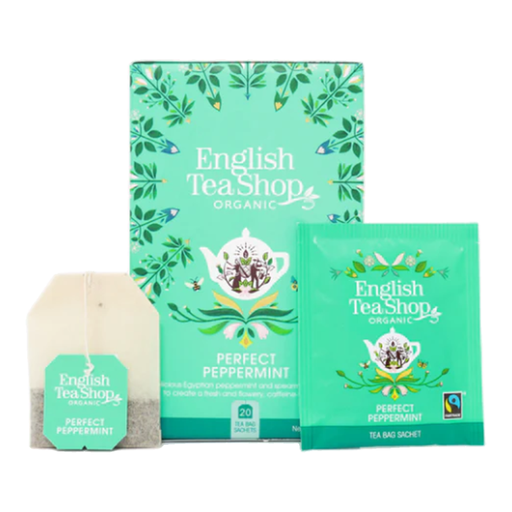
Why This Fits Their Persona: A straightforward option for shoppers starting with caffeine-free tea and wanting a compact 20g pack for everyday use.
The product clearly identifies its peppermint and spearmint proportions and lists 0mg caffeine, avoiding uncertainty about the blend.
Organic peppermint and spearmint; compostable tea bags; no declared allergens.

Why This Fits Their Persona: Suits shoppers seeking an evening infusion with a floral, vanilla-led flavour and individually wrapped sachets.
The ingredient list shows chamomile at 68.5%, rather than leaving the main botanical unclear behind a bedtime-style name.
Naturally caffeine-free; home-compostable plant-based tea bags; 0kJ per 100ml of infusion as listed.
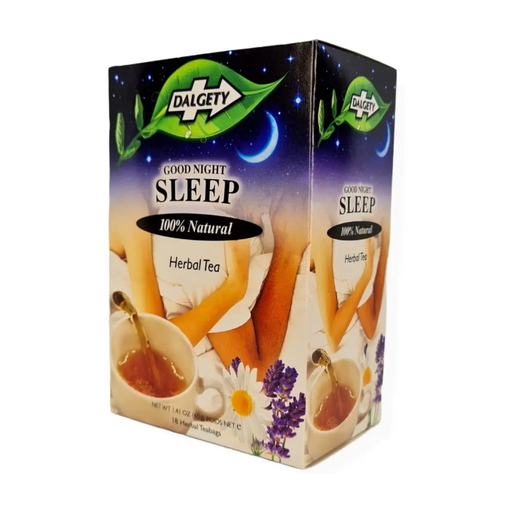
Why This Fits Their Persona: Designed for an evening routine, with lavender, chamomile, lemongrass and peppermint in a caffeine-free herbal blend.
Its listed ingredients make the flavour and intended drinking occasion easier to assess than a vague “wellness” label.
Caffeine-free formulation; no listed allergens; suitable for hot or evening preparation.

Why This Fits Their Persona: A larger cupboard pack for households that drink peppermint tea regularly at home or work.
The 80-bag quantity makes the cost-per-serving easier to compare with smaller 15- or 20-bag boxes.
100% peppermint; 80 tea bags; brewed nutrition lists 2kcal and 0g sugar per 100ml.
We have compiled a complete, real-time list of products that fully satisfy these strict selection criteria and UK safety regulations.
No. Pure peppermint, chamomile and many botanical infusions are caffeine-free, but blends containing green or black tea contain naturally occurring caffeine. Check the full ingredient list and any caffeine statement before buying.
Use the best-before date on the packaging and store the box in a cool, dry place. Once opened, protect tea bags from humidity and strong odours. Loose herbal tea usually needs an airtight container to retain its aroma.
Usually, tea bags or loose herbal tea cost less per serving and create less packaging volume. Ready-to-drink cans save preparation time, but compare pack price, sugar content and storage space before ordering a case.