
24/7 Customer Support

Free returns

Same-day & Next-day Delivery

Quality Guaranteed

Unlock Your Welcome Offers: FREE Delivery | Up to 80% OFF | Free 30-day JoyPlus trial
Download the APP
Choosing herbal tea should be simple, but crowded shelves and persuasive packaging can make comparison surprisingly difficult. A tea labelled “wellness”, “sleep” or “detox” may sound purpose-built, yet the practical details often matter more: the ingredient list, caffeine content, number of tea bags and packaging material.
Whether you want an organic herbal tea for everyday drinking, peppermint tea after meals or a caffeine-free tea for the evening, use the following checks before adding a box to your basket.
Not every tea-style drink is caffeine-free. Herbal infusions made from peppermint, chamomile, liquorice or rooibos generally do not contain tea leaves. However, jasmine green tea is made with green tea, so it naturally differs from caffeine-free herbal blends.
Always check the ingredients rather than relying on terms such as “refreshing” or “wellness tea”. If you want to avoid caffeine in the evening, look for a stated caffeine value or a clear caffeine-free description.
Words such as “detox”, “defence”, “sleep” and “calm” usually describe the intended occasion or blend theme, not a guaranteed health outcome. A sleep tea may be suitable for a bedtime routine, but it should not be treated as a medicine or a replacement for professional advice.
Look for the actual botanicals and flavourings. For example, chamomile, lavender, passionflower and lemon balm are commonly used in relaxing tea blends, while mint and ginger provide distinctive flavour profiles.
A larger box is not automatically better value. Compare the number of tea bags, total weight and recommended serving size. Individually wrapped sachets can help preserve aroma and suit office drawers or travel, while loose or larger-format packs may be more practical for frequent home use.
Eco-conscious shoppers should also check the exact packaging wording. “Recyclable cardboard” does not necessarily mean that the tea bags themselves are compostable. Look for specific terms such as home-compostable or compostable tea bags, and follow local disposal guidance.
The ingredient order can reveal how a blend will taste. English Tea Shop Organic Perfect Peppermint contains 70% organic peppermint and 30% organic spearmint, suggesting a mint-led infusion with a fresh, aromatic character. Teapigs Liquorice & Mint uses 70% liquorice root and 30% peppermint leaves, so it is likely to taste sweeter and more liquorice-forward.
If you prefer gentle floral notes, chamomile tea may be more suitable. For a spiced cup, look for cinnamon, ginger, cardamom or vanilla. Check for liquorice if you have been advised to limit it: the Pukka Peppermint & Liquorice product information warns that people with high blood pressure should avoid excessive consumption and that professional advice should be sought during pregnancy.
A clearly stated 0 mg caffeine value is useful when selecting a bedtime tea or evening drink. The English Tea Shop peppermint blend lists 0 mg caffeine, while the herbal Pukka and Twinings sleep-oriented products are presented as herbal infusions.
Green tea products, including jasmine green tea and rose green tea, are a separate category. They may suit daytime refreshment, but do not assume they are caffeine-free unless the packaging says so.
For everyday convenience, tea bags should be easy to steep and protected from strong odours and moisture. Follow the pack’s storage instructions, usually keeping the product sealed in a cool, dry cupboard away from direct sunlight.
Check the quantity carefully: the products below range from 15 tea bags to 20 tea bags, while the Way Choy Jasmine Tea is supplied as a 200g pack. Those formats suit different households and drinking habits.
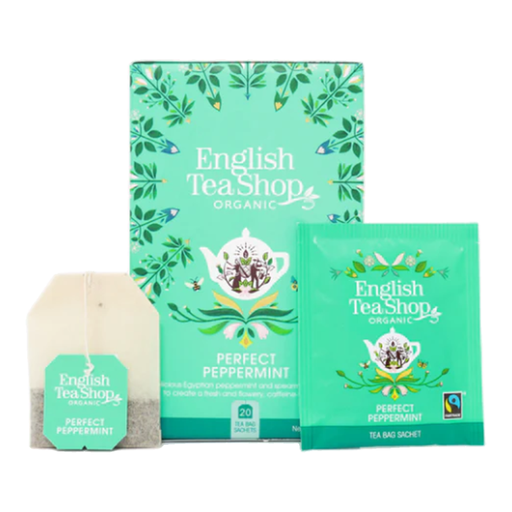
Why This Fits Their Persona: A straightforward choice for UK shoppers starting with herbal tea, offering a familiar mint profile in a compact 20g format for cupboards, lunches or occasional evening drinks.
The blend clearly identifies its ingredients and states 0 mg caffeine, avoiding uncertainty around evening use.
Organic peppermint and spearmint blend; compostable tea bags; no listed allergens.
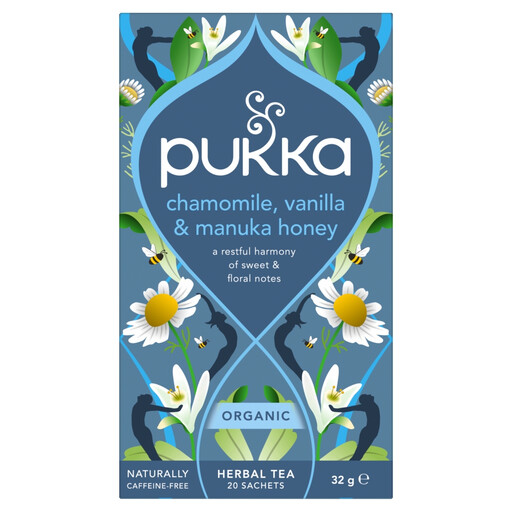
Why This Fits Their Persona: Designed for shoppers who value individually wrapped sachets, organic ingredients and a softer floral flavour for a quiet evening ritual.
Its listed ingredients make the flavour direction clear, rather than relying only on broad relaxation wording.
Chamomile is listed at 68.5%; 20 plant-based, home-compostable tea bags; caffeine-free herbal infusion.
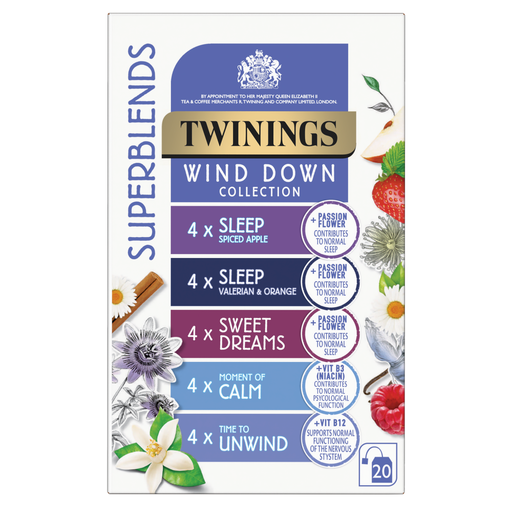
Why This Fits Their Persona: Suitable for households that want variety, with five named blends for different evening preferences rather than one repeated flavour.
The collection lists the ingredients for each blend, helping you compare botanicals instead of choosing solely from front-of-pack claims.
Five varieties in one 20-bag collection; includes chamomile, lemon balm, passionflower and lavender blends.
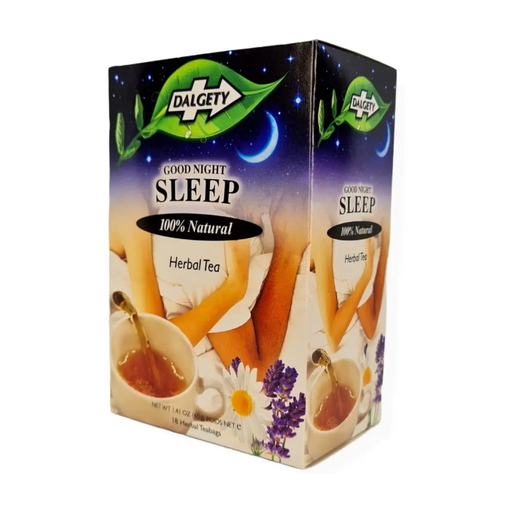
Why This Fits Their Persona: A loose herbal blend for shoppers who prefer preparing a larger quantity at home as part of a consistent evening routine.
The product information identifies a caffeine-free blend and names its four botanical ingredients.
Contains lavender, camomile, lemongrass and peppermint; 40g format; no listed allergens.
We have compiled a complete, real-time list of products that fully satisfy these strict selection criteria and UK safety regulations.
Many herbal infusions are caffeine-free because they contain botanicals rather than tea leaves. Peppermint tea and chamomile tea are common examples. Jasmine green tea is different because it contains green tea leaves, so check the label if caffeine matters to you.
Keep tea bags in their original sealed packaging in a cool, dry cupboard, away from sunlight, moisture and strong-smelling foods. Close opened packs securely and follow the best-before guidance printed on the packaging.
A caffeine-free sleep tea can form part of a calming bedtime routine, but names such as “sleep” or “wind down” do not guarantee a medical or therapeutic effect. Check the ingredients, particularly if the blend contains liquorice, valerian or other botanicals, and seek professional advice if you are pregnant, taking medication or managing a health condition.