
24/7 Customer Support

Free returns

Same-day & Next-day Delivery

Quality Guaranteed

Unlock Your Welcome Offers: FREE Delivery | Up to 80% OFF | Free 30-day JoyPlus trial
Download the APP
Whether you want a calming tea before bed, a caffeine-free drink for the office or a refreshing bottle for a busy day, choosing the right herbal tea involves more than picking the most attractive packaging. Ingredients, sugar content, preparation format and storage requirements can make a noticeable difference to value and suitability.
This guide highlights common buying traps, explains the specifications worth checking and matches several options to different UK shopping habits.
Many infusions made solely from flowers, roots, fruit or spices contain no added caffeine. However, products described as wellness tea or botanical tea may also contain green tea, black tea or other tea leaves. These naturally contain caffeine.
Check the ingredients list rather than relying only on phrases such as “wind down”, “wellbeing” or “refreshing”. For example, a blend containing green tea may suit daytime focus but may not be appropriate if you are specifically looking for a caffeine-free tea in the evening.
Terms such as “detox”, “sleep”, “defence” and “digest” often describe the intended theme or blend name, not a guaranteed medical outcome. Herbal ingredients can vary in taste and personal suitability, and food products should not be treated as medicines.
Look for the actual ingredient percentages and preparation instructions. If a product contains ingredients such as valerian, liquorice root, senna or ginseng, read the label carefully and seek professional advice if you are pregnant, taking medication or managing a health condition.
A ready-to-drink herbal tea is convenient, but it may be sweetened. A 310ml can of WALOVI Herbal Tea, for example, lists 26.4g of sugar per can, while Vita Chrysanthemum Tea lists 10.0g per 100ml. These drinks can be refreshing, but they should be assessed as sweetened beverages rather than automatically categorised as low-sugar drinks.
For regular hydration, compare the nutrition panel, serving size and total sugar before buying multipacks.
For a caffeine-free tea, choose blends based on ingredients such as:
Products containing green tea, including rose green tea, will have a different caffeine profile from a pure herbal infusion. Unsweetened green tea can still be a practical choice for daytime drinking, but it should not be grouped with caffeine-free tea without checking the label.
The ingredients list should appear in descending order by weight. This helps show whether a named ingredient is the main component or present in a small amount. Twinings Superblends Wind Down Collection, for instance, contains different blends with listed proportions of camomile, lemon balm, passionflower and other botanicals.
Also check allergen statements. Some products may contain or potentially contain traces of cereals, soya or milk. Pukka Chamomile Vanilla & Manuka Honey lists oats as an allergen, while Woongjin Purple Corn Silk Tea states that it may contain traces of soya and milk.
Organic claims should also be checked against the packaging. Look for a recognised organic certification mark rather than assuming that words such as “natural” or “botanical” mean organic.
Tea bags are convenient for portion control and work well in bedrooms, offices and student kitchens. Loose or instant formats may offer more flexibility but can require airtight storage after opening.
Ready-to-drink herbal tea is suitable for commuting, packed lunches and quick serving, but opened bottles generally require refrigeration. Concentrated products such as instant ginger tea may have a long shelf life, although resealing the container helps protect flavour and texture.
For hot infusions, follow the stated water temperature and steeping time. A longer steep can produce a stronger flavour, but it may also increase bitterness in blends containing liquorice, ginger or certain roots.
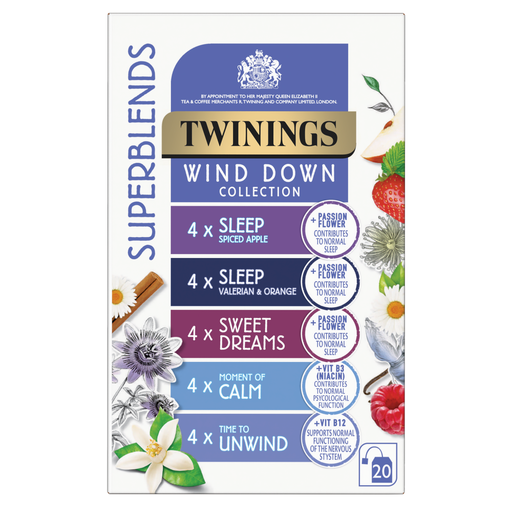
Why This Fits Their Persona: Five flavours in one 20-bag box allow new herbal tea drinkers to compare camomile, lemon balm, passionflower and spiced blends without committing to a large single-flavour pack.
The individual blend ingredients and proportions are listed, making it easier to check what each infusion contains.
20 tea bags, five varieties and brewed nutrition values of approximately 1–2 kcal per 100ml.

Why This Fits Their Persona: A suitable match for shoppers prioritising organic ingredients, individually wrapped sachets and a naturally caffeine-free evening infusion.
The ingredient list identifies chamomile at 68.5% and states that the infusion contains no caffeine according to the product information.
20 individually wrapped sachets, organic positioning and 0 kcal per 100ml of prepared infusion.

Why This Fits Their Persona: A practical choice for households, offices or students who want ready-to-drink Chinese herbal tea for meals, travel or chilled serving.
The 310ml serving size and nutrition panel make the sugar and calorie content visible before buying a multipack.
24 individual cans, ready-to-drink format and no preparation equipment required.
We have compiled a complete, real-time list of products that fully satisfy these strict selection criteria and UK safety regulations.
No. Pure infusions made from flowers, roots and fruit are commonly caffeine-free, but blends containing green tea or other tea leaves naturally contain caffeine. Always check the ingredients list if caffeine content matters to you.
Keep tea bags and dry ingredients sealed in a cool, dry place away from strong odours and direct sunlight. Refrigerate ready-to-drink products after opening and follow the stated consumption guidance. Check the packaging for the best-before date.
Tea bags generally cost less per serving when prepared at home, particularly in larger boxes. Ready-to-drink products provide convenience but include packaging, transport and, in some cases, added sugar. Compare the price per 100ml or per serving before choosing a multipack.