
24/7 Customer Support

Free returns

Same-day & Next-day Delivery

Quality Guaranteed

Unlock Your Welcome Offers: FREE Delivery | Up to 80% OFF | Free 30-day JoyPlus trial
Download the APP
Choosing herbal tea in the UK can seem straightforward until you compare ingredient lists, caffeine levels, pack sizes and wellness-focused claims. A colourful box may suggest detoxification or weight-management support, while the actual drink may contain added sugar, stimulant herbs or only a small amount of the featured ingredient.
The right choice depends on how you plan to drink it: as a calming evening infusion, a refreshing iced beverage, a morning alternative to coffee or a culturally inspired Chinese or Caribbean tea.
Most pure herbal infusions, including moringa tea, ginger tea, hibiscus tea and soursop tea, are naturally caffeine-free. However, blends containing green tea, white tea or black tea will usually contain caffeine. A product can still be marketed as a wellness tea while including a caffeinated tea base.
Check the full ingredient list rather than relying on front-of-pack wording. White tea is often lower in caffeine than black tea, but the exact amount varies according to the leaves, serving size and brewing method.
“Detox tea” is commonly used as a category description, not a guarantee of a specific health outcome. Some blends include peppermint, hibiscus, ginger or lemongrass for flavour, while others contain senna. Senna has laxative properties and should not be treated as an everyday refreshment without reading the safety information carefully.
A sensible buying decision focuses on ingredients, intended use and preparation instructions, rather than promises about metabolism, cleansing or rapid weight change.
Bottled or canned herbal tea can be convenient, but it is not automatically a low-sugar choice. For example, Huierkang Winter Melon Tea contains water, sugar, fructose-glucose syrup and at least 5% concentrated winter melon juice. Its nutrition information lists 5.5g of carbohydrate per 100ml, so the 248ml bottles should be assessed differently from unsweetened tea bags.
If you want a daily drink with minimal calories, compare the nutrition panel and choose a brewed infusion without added sugar.
For an evening drink, look for an explicitly caffeine-free product containing only herbs, flowers, fruit or spices. Suitable options can include fruit herbal tea, hibiscus, moringa, ginger, turmeric and soursop leaf blends.
Green tea and black tea are more suitable when you want a more traditional tea flavour or a morning drink with caffeine. A white tea blend, such as Fuding Shou Mei with osmanthus, may offer a gentler tea profile, but “low caffeine” does not mean caffeine-free.
The order of ingredients indicates their relative proportion in many products. Dalgety Soursop & Ginger Tea contains 70% soursop leaves and 30% ginger root, while Dalgety Moringa with Ginger Tea uses the same 70:30 structure. This helps you anticipate whether the cup will taste mainly leafy and earthy or noticeably warm and spicy.
For single-ingredient products, check whether the box contains 100% of the named ingredient. Dalgety Pure Moringa Tea lists 100% pure natural moringa leaves, while turmeric and black pepper tea contains only turmeric and black pepper.
Tea bags are convenient for work, commuting and consistent portions. Loose-leaf tea can offer a more traditional preparation, but it requires an infuser and careful storage. The Tea Story Osmanthus White Tea combines loose-leaf-style white tea with individually wrapped 2g tea bags, giving you a practical middle ground.
Check the number of servings, not only the total weight. A 40g carton may contain 18 or 20 tea bags, while a 48g pack may contain 24 bags at 2g each. Brewing temperatures also matter: white tea may be prepared at 90–95°C, whereas some herbal blends are designed for freshly boiled water and a five-to-seven-minute steep.
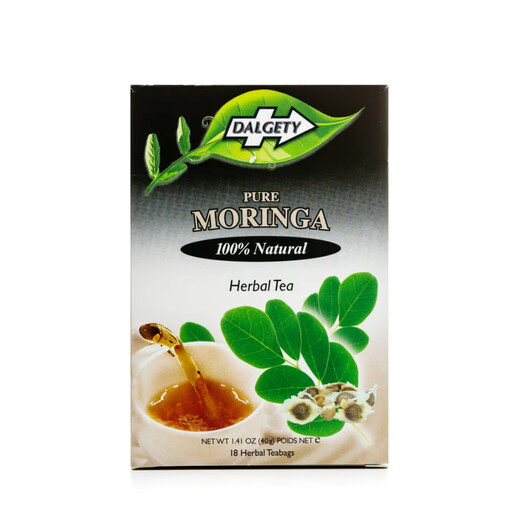
Why This Fits Their Persona: A straightforward starting point for UK shoppers wanting a caffeine-free tea without a complicated blend or added flavourings.
The ingredient list states 100% natural moringa leaves, making it easier to identify what you are buying.
Naturally caffeine-free, vegan-friendly and halal-certified according to the product information.

Why This Fits Their Persona: Suits shoppers interested in Chinese tea traditions, floral aroma and a refined loose-leaf-style experience with tea-bag convenience.
Its listed ingredients are Fuding Shou Mei white tea and osmanthus flowers, rather than an unspecified “detox” mixture.
24 individually wrapped 2g tea bags; can be resteeped two to three times according to the instructions.
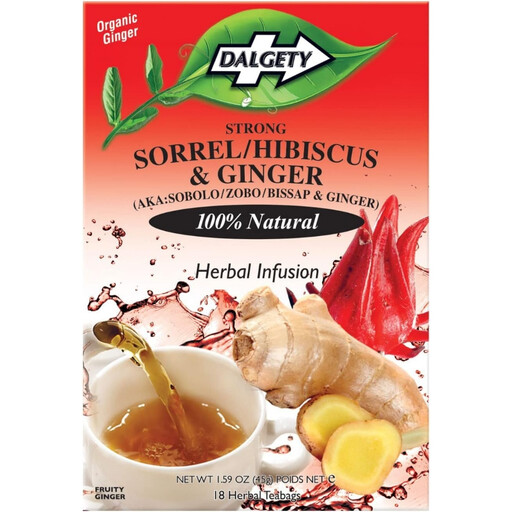
Why This Fits Their Persona: A practical choice for shoppers who want one blend for hot mugs and chilled, refreshing drinks.
The ingredients are clearly stated as hibiscus, also called roselle, and ginger, with no caffeine listed.
Suitable for hot preparation or a stronger brew poured over ice; the bright ruby colour comes from hibiscus.
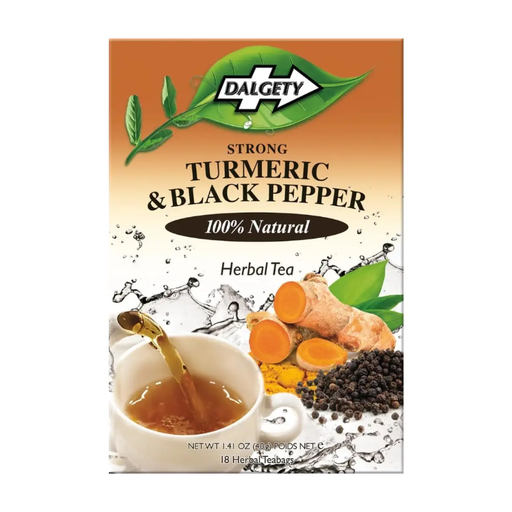
Why This Fits Their Persona: Works for shoppers who prefer an earthy, gently spiced drink rather than floral or fruity herbal tea.
It contains a short, transparent ingredient list: turmeric and black pepper, without a long proprietary blend.
A 100% natural spice blend intended for brewing; preparation can be adjusted to taste.
We have compiled a complete, real-time list of products that fully satisfy these strict selection criteria and UK safety regulations.
No. Pure herbal infusions such as moringa, ginger, hibiscus and soursop are generally caffeine-free, but green tea, white tea and black tea contain naturally occurring caffeine. Always check the ingredients and any stated caffeine information.
The running cost is usually limited to the tea bag or measured loose leaf plus the electricity or gas used to heat water. Tea bags with individually measured portions make usage easier to control. Brewing only the water you need can also reduce energy waste.
Yes. Many blends can be brewed more strongly, cooled and served over ice. Store prepared tea in a covered container in the refrigerator and consume it promptly. Avoid adding sugar until serving if you want to keep the drink’s sweetness adjustable.