
24/7 Customer Support

Free returns

Same-day & Next-day Delivery

Quality Guaranteed

Unlock Your Welcome Offers: FREE Delivery | Up to 80% OFF | Free 30-day JoyPlus trial
Download the APP
Herbal tea can mean very different things in the UK: loose botanicals, individually wrapped infusions, instant powders or ready-to-drink herbal tea in cans and bottles. That variety is useful, but it also makes comparison harder. A product described as “natural”, “wellness-focused” or “cooling” may still contain sugar, caffeine or a long list of flavourings.
Before adding a multipack or tea collection to your basket, check the information behind the front-of-pack message. The right choice depends on how you plan to drink it, what ingredients you want and whether convenience matters more than preparation time.
Many infusions made entirely from flowers, roots, fruit or herbs are naturally caffeine-free. However, a blend containing green tea, black tea, matcha or yerba mate may contain caffeine unless the packaging specifically states otherwise.
For example, Dalgety Moringa with Green Tea combines moringa leaves with green tea leaves. It may suit shoppers who enjoy a grassy, tea-like flavour, but it should not automatically be treated as caffeine-free. If you are avoiding caffeine in the evening, read the ingredient list rather than relying on the word “herbal”.
Terms such as “cooling tea”, “detox”, “digestive” and “wellness” often refer to traditional use or a particular drinking occasion. They should not be interpreted as medical or therapeutic guarantees.
Chinese herbal tea drinks such as Jiaduobao, Wang Lao Ji and WALOVI are commonly enjoyed chilled or alongside meals as part of traditional beverage culture. They are ready-to-drink refreshments, not substitutes for medical advice or a balanced diet.
A can or bottle can appear modest, but several servings can add up quickly. Jiaduobao Herbal Tea contains 8.5g of sugars per 100ml, while the 310ml can size contains approximately 26g of sugar based on the supplied nutrition information. WALOVI also lists 8.5g of carbohydrate per 100ml, all of which is sugar.
If your priority is sugar-free iced tea, compare the nutrition panel with products such as Woongjin TEAZLE Zero Calorie Sugar Free Lime & Mint Tea or Woongjin Purple Corn Silk Tea. Always check the current label, as formulations and pack information can change.
For a caffeine-free tea, look for an explicit “caffeine-free” or “0mg caffeine” statement, then check the full ingredients list. Chamomile tea, peppermint tea, rooibos and many fruit herbal tea blends are commonly chosen for this purpose.
Tea bags containing chamomile, peppermint, hibiscus, rosehip or ginger generally provide a straightforward infusion. Blends with green tea need more careful checking, even when moringa or other botanicals feature prominently.
For a brewed herbal infusion, nutrition values are usually based on the prepared drink. A plain infusion may contribute very little energy, while an instant product containing honey or sugar can be considerably sweeter.
Dalgety Instant Ginseng & Ginger Tea includes ginseng extract, ginger extract, honey and lemongrass. It is convenient to mix with hot or cold water, but it is not the same as a plain, unsweetened herbal infusion. Ready-to-drink products should be compared using per 100ml and per bottle or can values.
Tea bags are convenient for work, study and home routines, while ready-to-drink cans and bottles are practical for picnics, commuting and gatherings. Check the number of servings against your expected use:
Also check storage instructions. Opened bottled drinks generally need refrigeration and prompt consumption, while dry tea should be kept sealed in a cool, dry place away from strong odours.
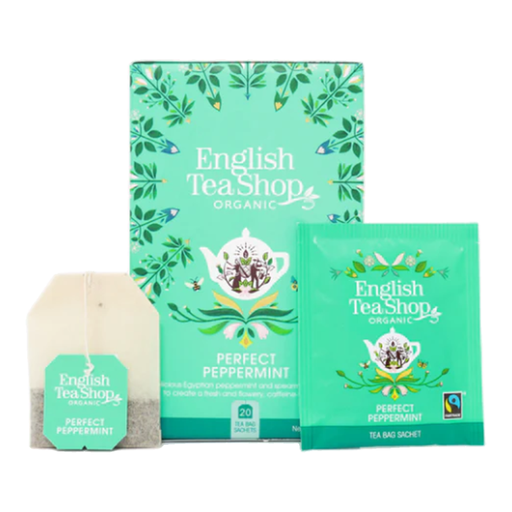
Why This Fits Their Persona: A simple starting point for UK shoppers who want an organic peppermint and spearmint infusion for home, lunch breaks or an office cupboard.
The ingredients are clearly listed as organic peppermint and spearmint, and the product information states 0mg caffeine.
Organic ingredients, compostable tea bags and a concise two-herb recipe.
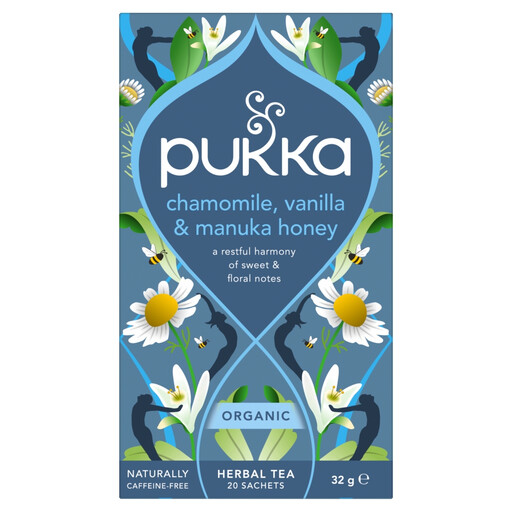
Why This Fits Their Persona: Suitable for shoppers looking for an organic, individually wrapped chamomile blend with floral, vanilla and honey-style notes.
The product information identifies the ingredients and states that the prepared infusion contains virtually no calories or sugars.
20 individually wrapped plant-based tea bags; organic certification and Rainforest Alliance approval are stated in the product details.
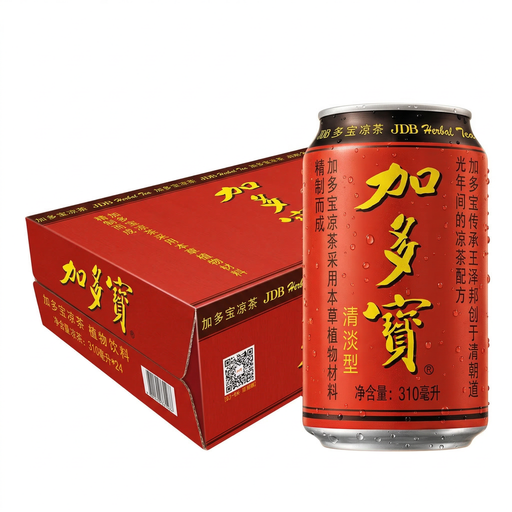
Why This Fits Their Persona: A substantial ready-to-drink multipack for households, celebrations, workspaces and people who prefer chilled Chinese herbal tea with meals.
The 310ml serving size, 24-bottle quantity and sugar content are stated, making it easier to budget storage and compare sweetness.
Ready to drink, portable and made with listed botanicals including chrysanthemum and honeysuckle.
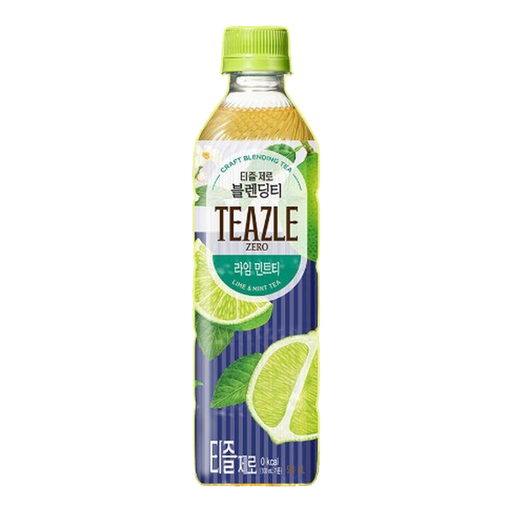
Why This Fits Their Persona: A practical bottled option for commuting, work, picnics or chilled refreshment when avoiding sugar is a priority.
The product details specify zero calories and sugar-free positioning, so it is easier to distinguish from sweetened bottled herbal tea.
500ml ready-to-drink format, lime and mint flavour, and vegan-friendly product information.
We have compiled a complete, real-time list of products that fully satisfy these strict selection criteria and UK safety regulations.
Not always. Pure chamomile, peppermint, rooibos and many fruit or flower infusions are typically caffeine-free, but blends containing green tea or other tea leaves may contain caffeine. Check the ingredient list and the stated caffeine information.
Use the best-before date on the packaging and store unopened tea bags in a cool, dry place. Once opened, reseal the box or pouch to protect the aroma from moisture and strong household smells. Compostable tea bags should be stored just as carefully as conventional bags.
The answer depends on the product and how you value convenience. Tea bags usually cost less per serving but require a kettle, cup and preparation time. Ready-to-drink herbal tea costs more per serving but is portable and requires no equipment. Compare pack quantity, serving size and sugar content before deciding.
Yes. Some tea bags can be brewed hot and cooled, while certain products provide cold-brew instructions. Ready-to-drink products can usually be chilled according to the label. For opened bottles or cans, follow the storage guidance and refrigerate where instructed.