
24/7 Customer Support

Free returns

Same-day & Next-day Delivery

Quality Guaranteed

Unlock Your Welcome Offers: FREE Delivery | Up to 80% OFF | Free 30-day JoyPlus trial
Download the APP
Herbal tea can be a simple way to enjoy a warm, naturally flavoured drink, but the category includes very different products. Tea bags, instant concentrates and ready-to-drink cans may all use the same word on the label while offering completely different ingredients, sugar levels and preparation methods.
The main shopping mistakes are easy to avoid:
Tea bags are generally practical for a single cup at home or work. Check the number of sachets and total weight, as a 20-bag box is not always equivalent to another 20-bag box. Individual wrapping may help preserve aroma but can create more packaging.
Instant tea and concentrates are convenient when you want to adjust strength or prepare a hot or cold drink quickly. However, inspect the ingredient list and nutrition panel because sugar may be part of the recipe.
Ready-to-drink herbal tea is useful for commuting, lunchboxes and gatherings. Compare the serving size with the nutrition information per 100ml. A 24-pack may offer value for regular consumption, but it also requires more storage space and may contain added sugar.
Ingredients are normally listed by weight, so the first ingredient gives a useful indication of the blend’s character. For example, a chamomile-led tea will taste different from a ginger-led infusion, even if both are described as relaxing or wellness tea.
For a caffeine-free tea, look for an explicit statement on the product packaging and avoid assuming that “natural” means caffeine-free. Green tea normally contains caffeine, while chamomile, rooibos, peppermint, ginger and many fruit infusions are commonly selected by shoppers seeking a caffeine-free option. If you are sensitive to caffeine, check the label rather than relying only on the front-of-pack name.
A brewed infusion is usually a low-calorie drink when no sugar is added. By contrast, Otoki Jujube Tea contains jujube extract and has a naturally sweet profile, with the supplied nutrition information listing 65g of sugars per 100g of concentrate. Ginger and ginseng instant products may also contain sugar, honey or sucrose.
For organic herbal tea, look for recognised organic certification information on the packaging instead of relying solely on words such as “natural” or “pure”. Vegan shoppers should also check the product details, as flavourings and processing materials can vary.
Store tea in a cool, dry place away from strong odours. Once opened, concentrates should generally be sealed carefully and refrigerated if the instructions say so. Ready-to-drink products should be refrigerated after opening and consumed within the stated period.
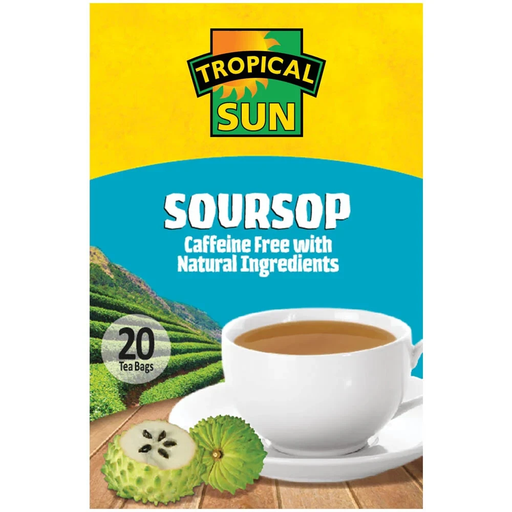
Why This Fits Their Persona: A straightforward 20-bag option for shoppers trying herbal tea without committing to a large multipack or concentrate.
The ingredients list identifies soursop leaves as the sole ingredient, making it easier to assess the blend rather than relying on broad wellness wording.
Contains 20 tea bags; suitable for hot brewing or cold brewing; listed as caffeine-free.

Why This Fits Their Persona: A caffeine-free chamomile tea with a rounded floral, vanilla-style flavour for an evening routine.
The recipe gives clear percentages for chamomile, fennel, liquorice root and flavourings, while the supplied nutrition information lists zero energy per 100ml of infusion.
20 individually wrapped sachets; organic ingredients are specified; no allergens are listed in the supplied information.
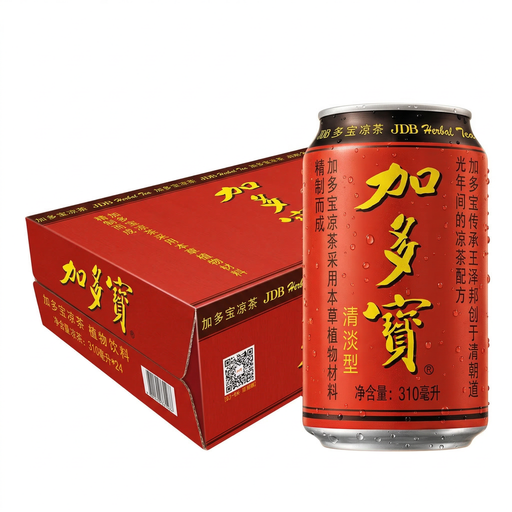
Why This Fits Their Persona: Designed for households, offices and gatherings that want chilled, ready-to-drink Chinese herbal tea without brewing equipment.
The pack size and nutrition panel are clearly stated, including 8.5g of sugars per 100ml, helping buyers judge the drink as a sweetened beverage rather than an unsweetened infusion.
24 portable 310ml bottles; ready to drink; suitable for serving chilled with meals or at events.
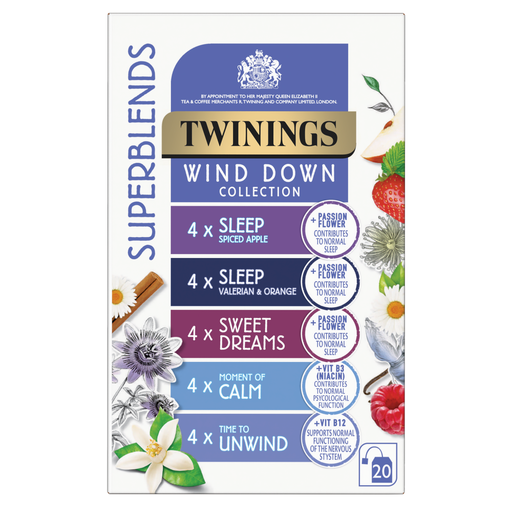
Why This Fits Their Persona: A variety pack for shoppers who want to compare several relaxing herbal tea profiles, including chamomile, lemon balm, limeflower, passionflower and lavender.
The collection identifies each blend and its botanical ingredients, allowing buyers to select a preferred flavour instead of purchasing a single large box.
Five infusion styles in one 20-bag collection; brewed nutrition values are low in energy; storage instructions are simple.
We have compiled a complete, real-time list of products that fully satisfy these strict selection criteria and UK safety regulations.
Not always. Chamomile tea, ginger tea, peppermint and many fruit infusions are commonly caffeine-free, but products containing green tea usually contain caffeine unless specifically decaffeinated. Check the ingredients and any caffeine statement on the packaging.
A caffeine-free bedtime tea with chamomile, lavender, lemon balm or passionflower may fit an evening routine. Flavour preference matters: chamomile and vanilla are softer, while ginger and spice-led blends are warmer. Avoid treating “sleep” or “wind down” wording as a medical promise, and check the ingredient list for botanicals that may not suit you.
They can be convenient for families, offices and events, but compare the cost per bottle and sugar per serving. Tea bags generally require less storage and can cost less per cup, while ready-to-drink options save preparation time. Concentrates may provide many servings, but the final cost depends on the amount used in each cup.