
24/7 Customer Support

Free returns

Same-day & Next-day Delivery

Quality Guaranteed

Unlock Your Welcome Offers: FREE Delivery | Up to 80% OFF | Free 30-day JoyPlus trial
Download the APP
Herbal tea can mean very different things in the UK: loose herbal blends, tea bags, concentrated fruit infusions, traditional Chinese herbal tea and ready-to-drink cans. That variety is useful, but it can also make shopping confusing. A product described as a “wellness tea” may contain added sugar, while a calming blend may include botanicals that are not suitable for everyone.
Before adding a multipack to your basket, check what is actually inside, how it is prepared and whether it fits your daily routine.
Many caffeine-free tea options are made with ginger, peppermint, chamomile, rooibos, fruit, flowers or spices. However, green tea bags and blends containing green tea naturally contain caffeine unless the packaging says otherwise. If you want a bedtime tea, read the ingredient list rather than relying only on the front-of-pack wording.
Terms such as “detox”, “digestive”, “cooling” and “wellness” often describe a product’s positioning or traditional use. They should not be treated as guaranteed medical effects. For example, Chinese herbal tea beverages may be enjoyed as part of food culture, but they are still soft drinks with their own sugar and nutrition information.
A concentrated jujube tea may taste naturally sweet but still contain considerable sugar. Ready-to-drink cans are convenient, yet a full case can take up considerable cupboard space. Tea bags are compact, but larger herbal tea multipacks may be more economical only if you will use them before the best-before date.
Look for a clear ingredient list and a stated net quantity. A simple blend such as Twinings Pure Peppermint lists 100% peppermint, while Dalgety Honey & Ginger Tea combines ginger, honey crystals, sugar, lemongrass and citrus peel.
For a caffeine-free tea, check that the ingredients do not include green tea, black tea, oolong tea or pu-erh. If you are buying for children, pregnancy, medication use or a specific dietary requirement, review the label carefully and seek appropriate professional advice where necessary.
Compare nutrition per 100ml for drinks, and consider the realistic amount you will consume. Otoki Jujube Tea is a concentrate made from 100% jujube extract, with preparation instructions of one to two tablespoons mixed with approximately 200ml of hot or cold water. Its nutrition panel lists 65g of sugars per 100g, so it is better treated as a sweetened concentrate rather than an unsweetened everyday drink.
Ready-to-drink herbal tea can also contain added sugar. Jiaduobao Herbal Tea lists 8.5g of sugars per 100ml, while its 310ml bottle format is designed for immediate consumption. Check the number of cans in a case before buying for an office, family or event.
Choose the format that matches your habits:
Also check storage instructions. Concentrates commonly need refrigeration after opening, while sealed tea bags should be kept in a cool, dry place away from strong odours.
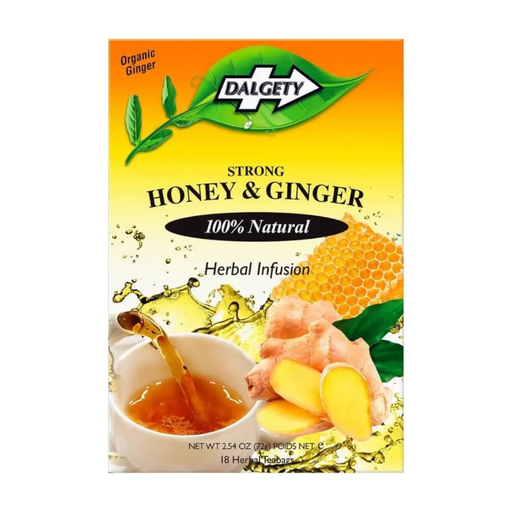
Why This Fits Their Persona: The 18 individually wrapped tea bags offer a straightforward way to try ginger tea at home, in a UK office or while travelling.
The product information clearly states that it is caffeine-free and lists its ingredients, helping shoppers avoid guessing about the blend.
18 wrapped tea bags; suitable for hot or iced preparation; ginger makes up 40% of the listed ingredients.
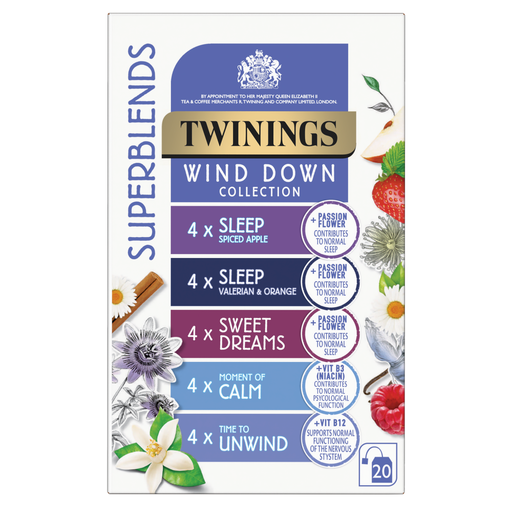
Why This Fits Their Persona: A varied bedtime tea collection suits shoppers who prefer sampling several fruit and herbal infusions rather than committing to one flavour.
The box identifies five separate blends and their ingredients, so buyers can check botanicals such as valerian, passionflower and liquorice before brewing.
20 tea bags; five flavour profiles; brewed nutrition is listed at 1–2 kcal per 100ml for the stated infusions.
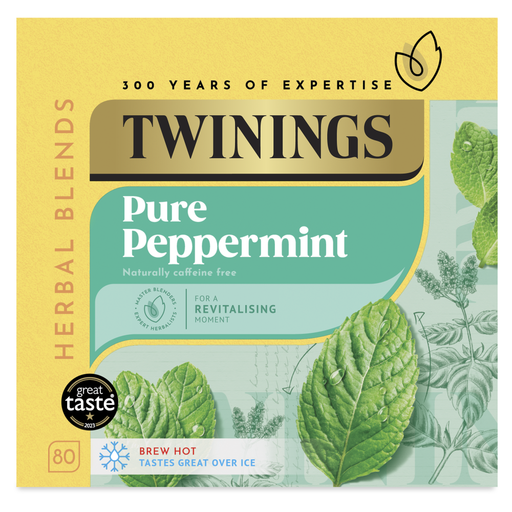
Why This Fits Their Persona: The 80-bag format works for regular drinkers, shared kitchens and offices that need a simple caffeine-free tea option.
A single-ingredient formula avoids unclear proprietary blends and makes it easier to check suitability before purchase.
100% peppermint; 80 tea bags; brewed nutrition lists 2 kcal per 100ml and no fat or sugar.
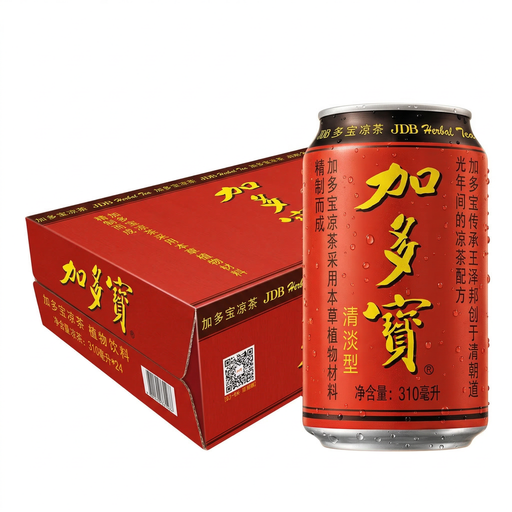
Why This Fits Their Persona: The ready-to-drink format suits meals, gatherings, work breaks and customers looking for a familiar Chinese herbal beverage without brewing.
The listing shows the 310ml serving size, full case quantity and sugar content, making the convenience-versus-sugar trade-off easier to assess.
24 portable 310ml bottles; ready to drink; suitable for serving chilled; ingredients include chrysanthemum, honeysuckle and liquorice root.
We have compiled a complete, real-time list of products that fully satisfy these strict selection criteria and UK safety regulations.
Some herbal tea is caffeine-free, including pure peppermint, ginger and many chamomile or fruit infusions. Green tea bags and pu-erh products contain tea leaves and may contain caffeine. Always check the ingredient list and pack description.
Tea bags are usually easier to portion and store, while herbal tea multipacks can reduce the cost per serving when used regularly. Ready-to-drink cases offer convenience but include packaging, transport and storage considerations. Compare the total pack size and realistic serving count rather than only the headline price.
Yes. Many tea bags can be brewed hot and cooled, while jujube concentrate can be mixed with cold water. Ready-to-drink herbal tea is already prepared and can usually be chilled before serving. Follow the storage instructions after opening, particularly for bottled or concentrated products.