
24/7 Customer Support

Free returns

Same-day & Next-day Delivery

Quality Guaranteed

Unlock Your Welcome Offers: FREE Delivery | Up to 80% OFF | Free 30-day JoyPlus trial
Download the APP
Herbal tea can be a simple cupboard staple, an evening ritual or a convenient alternative to fizzy drinks. However, the category includes everything from loose botanicals and herbal tea bags to sweetened Korean concentrates and canned Chinese herbal tea. The label “herbal” does not automatically mean low-sugar, caffeine-free or suitable for every occasion.
Before buying, focus on what is actually in the product, how it is prepared and whether the format suits your routine. These checks can help UK shoppers avoid paying for exaggerated wellness language or choosing a drink that does not match their needs.
Peppermint, camomile, ginger, jujube and many other botanical infusions do not contain traditional tea leaves in their listed ingredients. However, jasmine tea commonly includes green tea leaves, which naturally contain caffeine. Always check the ingredient list rather than relying on the product name or packaging colour.
Citron tea, passion fruit tea and jujube tea are often sold as spoonable concentrates. They can be convenient and flavourful, but their nutritional values may include substantial sugar. For example, the Dooraewon Citron Tea listing provides nutrition per 100g and lists sugar, fructose and glucose among its ingredients. These products are different from unsweetened herbal tea bags and should be portioned accordingly.
Terms such as “detox”, “cooling”, “wellness” and “slimming tea” describe marketing or cultural positioning, not guaranteed outcomes. A slimming tea containing senna needs particular care: the product information identifies senna as an ingredient and warns that excessive intake may have health implications. Read usage guidance and seek appropriate professional advice if you have concerns, take medication or are pregnant.
Look for the first-listed ingredients, since they generally make up the largest proportion of the blend. For a caffeine-free tea, check that the ingredients do not include green tea, black tea, oolong tea, mate or other caffeinated leaves.
A pure peppermint option, such as a product listing that specifies 100% peppermint, is straightforward to assess. Blends containing camomile, lemon balm, passionflower, lavender, valerian or limeflower can offer more varied flavours, but buyers should still read the complete label.
Compare nutrition per 100ml for ready-to-drink products and per prepared serving for concentrates where available. Canned Chinese herbal tea may be convenient for meals or gatherings, but it can contain added sugar. A 310ml can of Jiaduobao Herbal Tea, for example, lists 8.5g of sugar per 100ml.
Concentrates usually require one or two spoonfuls mixed with water. This makes it easy to adjust flavour strength, but also means the final sugar content depends on how much you use. Herbal tea bags normally offer simpler portion control and are convenient for work, travel and evening use.
UK food labels should provide relevant allergen information. Oats, for example, are identified as an allergen in the supplied information for Pukka Night Time. Check the packaging if you have an allergy or intolerance.
Storage instructions also matter. Keep dry tea bags and powders in a cool, dry place, tightly sealed after opening. Ready-to-drink cans and bottles should be stored as directed, refrigerated after opening where stated and consumed promptly. Also check best-before information, especially when buying larger 1kg jars or multipacks.

Why This Fits Their Persona: An accessible everyday option for UK households wanting a large supply of simple herbal tea bags without concentrate preparation.
The ingredient list specifies 100% peppermint, making it easier to identify what you are buying and avoid vague multi-ingredient claims.
80 tea bags; 2 kcal per 100ml brewed infusion according to the listing.
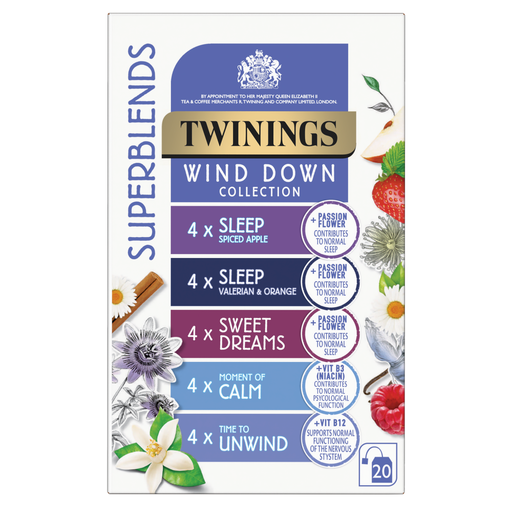
Why This Fits Their Persona: Useful for shoppers who prefer variety in a bedtime tea selection rather than committing to one botanical flavour.
The collection lists each blend and its ingredients, helping you assess flavours and botanicals instead of relying only on “wind down” wording.
20 bags across five named blends, including camomile, lemon balm, passionflower and lavender.
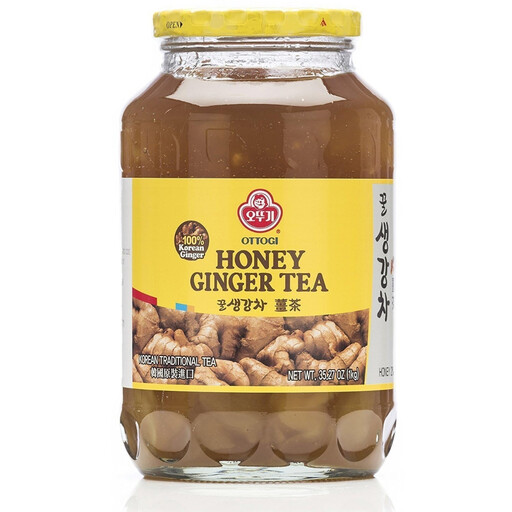
Why This Fits Their Persona: A practical choice for offices, large households or frequent ginger tea drinkers who want hot, iced or customised servings.
The supplied ingredient list specifies ginger, allowing a direct comparison with blends containing added flavourings or multiple sweeteners.
1kg pack; can be prepared hot or cold and stored in an airtight container after opening.
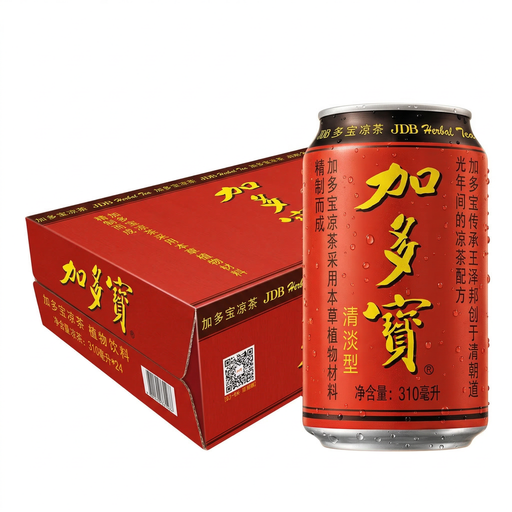
Why This Fits Their Persona: Suitable for packed lunches, festivals, gatherings and workdays where opening a chilled drink is more convenient than brewing.
The listing clearly identifies a 24-pack, 310ml serving size and nutrition information, so convenience can be weighed against sugar content.
Ready to drink; 310ml cans or bottles are easy to portion and transport.
We have compiled a complete, real-time list of products that fully satisfy these strict selection criteria and UK safety regulations.
Some herbal infusions are caffeine-free because they contain botanicals rather than tea leaves. Peppermint, camomile and ginger products commonly fit this description. Jasmine tea may contain green tea leaves, so check the ingredients before choosing it for bedtime.
A caffeine-free tea bag blend containing ingredients such as camomile, lemon balm or lavender may suit an evening routine. Product labels should be checked for allergens and individual ingredients. “Bedtime tea” is not a guarantee of a particular result; choose according to flavour, preparation time and personal suitability.
The answer depends on serving size. A large jar may provide numerous drinks, but concentrates such as citron, passion fruit and jujube tea can contain added sugar. Compare the recommended spoonful, the number of servings and the cost per prepared drink rather than comparing pack prices alone.