
24/7 Customer Support

Free returns

Same-day & Next-day Delivery

Quality Guaranteed

Unlock Your Welcome Offers: FREE Delivery | Up to 80% OFF | Free 30-day JoyPlus trial
Download the APP
Choosing herbal tea should be simple, but packaging can make a straightforward purchase surprisingly confusing. Terms such as “natural”, “wellness”, “detox” and “traditional” may sound appealing without explaining the information that matters most: the ingredients, sugar content, preparation method and serving format.
For UK shoppers, the right choice depends on how you plan to drink it. A box of herbal tea bags may suit a desk drawer, while a loose herbal tea pouch can offer better value for regular preparation. Ready-to-drink herbal tea is convenient for commuting, but may contain added sugar or sweeteners.
Many herbal infusions are naturally caffeine-free, including peppermint tea, chamomile tea, ginger tea and hibiscus tea. However, blends containing black tea, green tea, mate or other caffeinated ingredients are different. Always check the ingredient list rather than relying on the word “herbal” on the front of the pack.
A brewed herbal tea bag usually contains very little energy when prepared with water. By contrast, jujube tea concentrates and ready-to-drink products may contain naturally occurring or added sugars. For example, Ottogi Jujube Tea is a concentrated product with jujube extract and should be mixed with water, while Jia Duo Bao Herbal Tea contains sugar and lists 8g of sugars per 100ml.
Ginger, turmeric, liquorice, moringa and hibiscus are often associated with traditional food and drink practices. That does not make a tea a medicine or guarantee a particular health outcome. Choose based on flavour, ingredients and suitability for your routine. If you are pregnant, taking medication or managing a health condition, read the label and seek advice from a qualified healthcare professional where appropriate.
Look for a complete ingredient list and check the order of ingredients. A blend led by peppermint leaves will taste different from one led by liquorice root or ginger. If you specifically want a caffeine-free tea, look for a clear statement on the product details or confirm that no tea leaves or other caffeinated ingredients are included.
For example, Dalgety Moringa with Peppermint Tea contains moringa leaves and peppermint leaves, while an organic peppermint tea such as English Tea Shop Organic Perfect Peppermint lists organic peppermint and organic spearmint.
Compare the nutrition panel per 100ml for ready-to-drink products and brewed infusion information for tea bags. A bottled chrysanthemum tea may be convenient, but it can contain sugar or sweeteners. Concentrates such as jujube tea may need only one or two tablespoons per cup, so the nutrition panel should be considered alongside the intended serving size.
Choose the format that matches how often you drink tea:
Keep dried tea in a cool, dry place away from sunlight and strong odours. Concentrated products may require refrigeration after opening, so check the packaging before storing them in a kitchen cupboard.
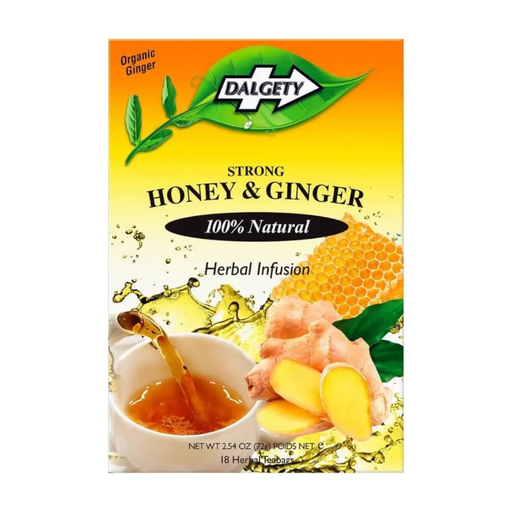
Why This Fits Their Persona: Individually wrapped bags make this an accessible introduction to ginger tea for home, study or office use, with 18 servings in one carton.
The ingredient list identifies ginger, honey crystals, sugar crystals, lemongrass and citrus peels, making the sweetened profile clear before purchase.
Caffeine-free; individually wrapped tea bags; suitable for hot or iced preparation.
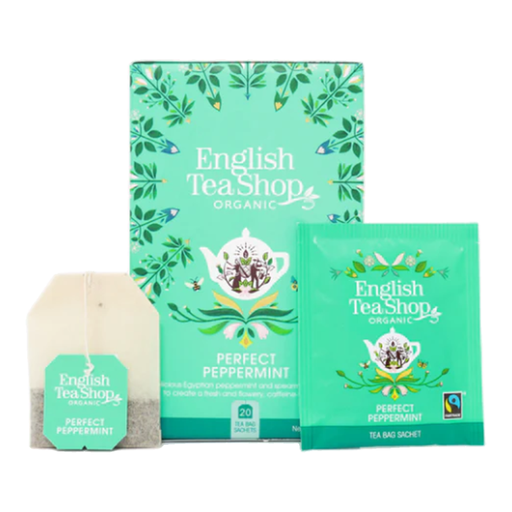
Why This Fits Their Persona: A focused organic peppermint and spearmint blend suits shoppers who prefer a clearly defined flavour and certified-style organic positioning.
The product specifies organic peppermint at 70% and organic spearmint at 30%, rather than relying only on broad front-of-pack language.
Caffeine-free; compostable tea bags; simple two-ingredient blend.
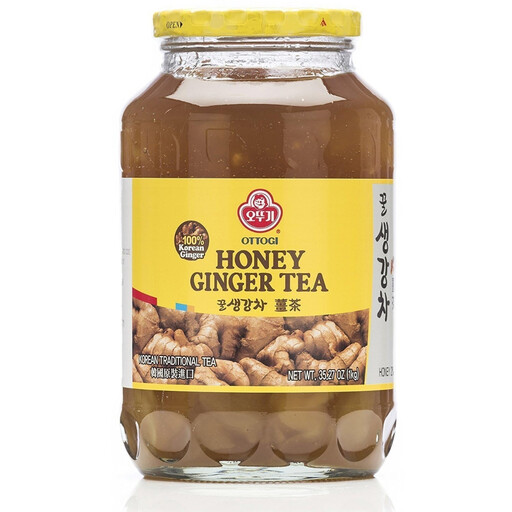
Why This Fits Their Persona: The large format is suited to households, offices or regular drinkers who want a ginger-based drink available for hot or cold preparation.
It is sold as a clearly identified ginger product, so shoppers can assess the flavour direction and large pack commitment before ordering.
1kg pack size; single-ingredient format; can be served hot, iced or with lemon and honey.
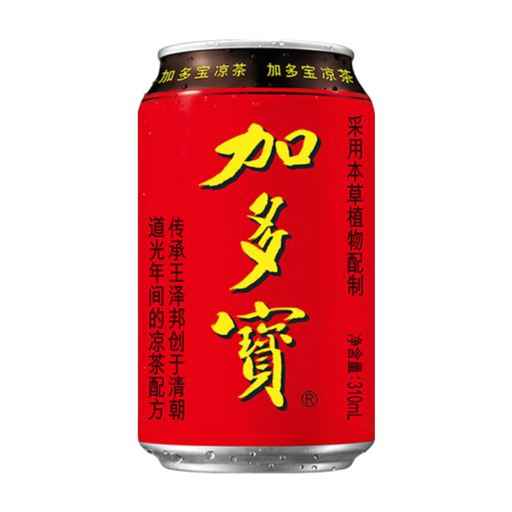
Why This Fits Their Persona: This ready-to-drink herbal tea can be chilled and enjoyed at work, during travel or with lunch without steeping equipment.
The listed ingredients include water, sugar and herbal extracts, while the nutrition panel states 35 kcal and 8g sugars per 100ml.
310ml bottle; ready to drink; suitable for serving chilled or over ice.
We have compiled a complete, real-time list of products that fully satisfy these strict selection criteria and UK safety regulations.
Many single-herb infusions, including peppermint, chamomile, ginger and hibiscus, are naturally caffeine-free. Check the full ingredients because some mixed products contain black tea, green tea or other caffeinated ingredients.
Store tea bags and dried loose herbal tea in a sealed container or their original packaging, away from heat, moisture, sunlight and strong kitchen smells. Refrigerate concentrates after opening if the label instructs you to do so.
Caffeine-free options such as chamomile tea, peppermint tea or a simple ginger infusion can suit an evening routine. Liquorice tea has a naturally sweet flavour, but products containing liquorice usually carry consumption warnings for people with high blood pressure, so read the label carefully.