
24/7 Customer Support

Free returns

Same-day & Next-day Delivery

Quality Guaranteed

Unlock Your Welcome Offers: FREE Delivery | Up to 80% OFF | Free 30-day JoyPlus trial
Download the APP
Herbal tea can be a simple way to enjoy botanical flavours, but the category includes very different products. Loose leaves, tea bags, instant powders and ready-to-drink bottles may all appear under the same search term, while their caffeine content, sugar levels, ingredients and intended use can vary considerably.
Before adding an organic herbal tea, caffeine-free tea or wellness tea to your basket, look beyond phrases such as “detox”, “cleanse” and “natural”. These descriptions may sound appealing but do not tell you how a product tastes, how it should be prepared or whether it suits your routine.
Many herbal infusions, including peppermint tea, chamomile tea and soursop leaf tea, are naturally caffeine-free. However, a blend containing green tea, black tea or mate will usually contain caffeine unless the label states otherwise.
This matters if you are looking for a relaxing herbal tea or bedtime tea. A mixed collection may include both caffeine-free infusions and green tea varieties, so check the ingredients for each individual sachet rather than relying only on the front of the box.
Terms such as “detox”, “slimline”, “cooling” and “wellness” often describe a product’s positioning or traditional use rather than a guaranteed result. Herbal tea should not be treated as a medicine or a replacement for professional advice.
For example, Dalgety Effective Slimline Tea contains senna, which has natural laxative properties. It should be consumed cautiously and according to the packaging guidance. People who are pregnant, taking medication or managing a health condition should seek appropriate healthcare advice before using blends containing concentrated botanicals or laxative herbs.
A bottled or canned drink can be convenient, but “herbal” does not automatically mean low-sugar. Vita Chrysanthemum Tea lists 10g of sugar per 100ml, while the WALOVI 310ml can lists 8.5g per 100ml. A multi-pack can therefore contain substantially more sugar than a plain brewed infusion.
Compare the nutrition panel per 100ml and per serving. Also check whether a drink needs refrigeration after opening, particularly when buying a large bottle such as a 1.5L format.
For an evening drink, look for a clearly labelled caffeine-free tea. Ingredients such as chamomile, peppermint, ginger, fennel, hibiscus, lavender and rooibos are commonly used in caffeine-free infusions. By contrast, green tea and jasmine green tea are tea-based drinks and may contain caffeine.
A collection box is useful when you enjoy variety, but check the contents before serving it to someone avoiding caffeine. Twinings Superblends Wellbeing Collection, for instance, includes green tea in its representative ingredient list, alongside herbal and fruit infusions.
Ingredients are generally listed in descending order by weight. This gives you a practical indication of the dominant flavour. Pukka Chamomile Vanilla & Manuka Honey lists chamomile flower at 68.5%, so it is likely to have a floral profile. Twinings Pure Peppermint lists 100% peppermint, making the flavour and ingredient profile straightforward.
Pay attention to allergens and sensitivities. Some products may contain or potentially trace ingredients such as celery, oats, soya or milk. Check the current packaging, especially when buying for children or anyone with a food allergy.
Tea bags are convenient for work, travel and consistent brewing. A multipack may reduce the cost per serving but takes up cupboard space and should be stored in a cool, dry place away from strong odours.
Loose tea can provide more control over strength, while instant herbal tea dissolves quickly in hot or cold water. Ready-to-drink herbal tea is convenient for lunches, commuting or chilled refreshment, but it may contain sugar and usually has more packaging than a box of sachets.
For brewed tea, follow the product instructions. Water temperature and steeping time affect flavour: peppermint may need only a few minutes, while a more aromatic bedtime tea can benefit from a longer covered infusion.

Why This Fits Their Persona: An 80-bag pack suits regular UK tea drinkers who want a clear, uncomplicated cupboard staple for daytime or after-meal use.
The ingredient list is simply 100% peppermint, so there is no uncertainty about hidden tea leaves, caffeine-containing ingredients or added sugar.
80 tea bags; brewed infusion lists 2 kcal per 100ml and no declarable allergens.
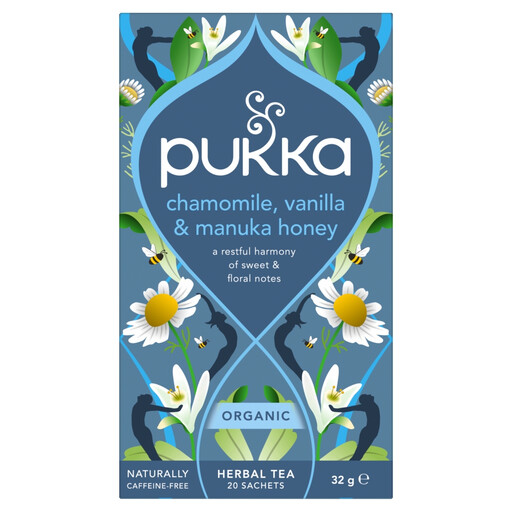
Why This Fits Their Persona: Suitable for shoppers seeking an organic-style evening ritual with floral, vanilla and honey notes in individually wrapped sachets.
The listed blend identifies chamomile as the main ingredient and states that the infusion is naturally caffeine-free, avoiding vague bedtime positioning.
20 individually wrapped plant-based sachets; brewed infusion lists 0 kcal per 100ml.
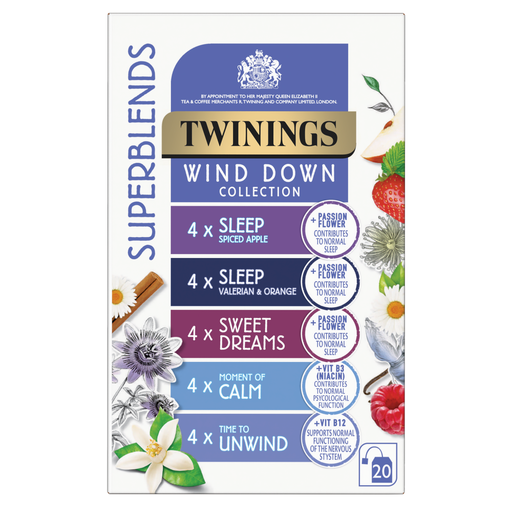
Why This Fits Their Persona: A practical choice for households wanting several evening flavours, including camomile, lemon balm, passionflower and valerian-based blends.
The collection lists the botanicals in each blend, making it easier to avoid buying a box based only on a broad “wind down” claim.
Five blends in one 20-bag collection; brewed nutrition is approximately 1–2 kcal per 100ml depending on the blend.
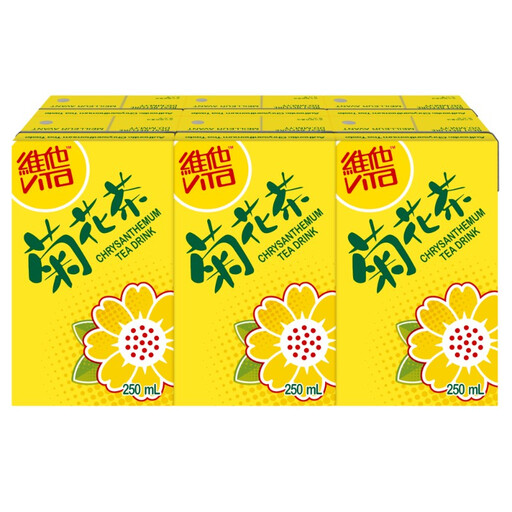
Why This Fits Their Persona: Six 250ml cartons are convenient for packed lunches, desk drawers or serving chilled with meals without brewing equipment.
The nutrition information clearly lists 42 kcal and 10g sugar per 100ml, helping shoppers judge the drink rather than assuming “herbal” means unsweetened.
Ready to drink; 250ml individual cartons; best served chilled.
We have compiled a complete, real-time list of products that fully satisfy these strict selection criteria and UK safety regulations.
Many single-herb infusions are caffeine-free, including peppermint, chamomile and soursop leaf tea. However, green tea, jasmine tea and blends containing black tea naturally contain caffeine. Always check the ingredients and product description.
Tea bags usually carry a best-before date rather than a use-by date. Keep the unopened pack dry, sealed and away from strong smells. Once opened, reseal it carefully so moisture does not affect the aroma and flavour. Follow the date and storage guidance printed on the packaging.
That depends on pack size, serving size and ingredients. Tea bags generally cost less per serving and create less packaging, while ready-to-drink formats offer convenience. Compare the price per litre or per serving, then check sugar content before choosing a multipack.